
 Jags Goldie Last updated: 22nd October 2022
Yorkie-ton
By
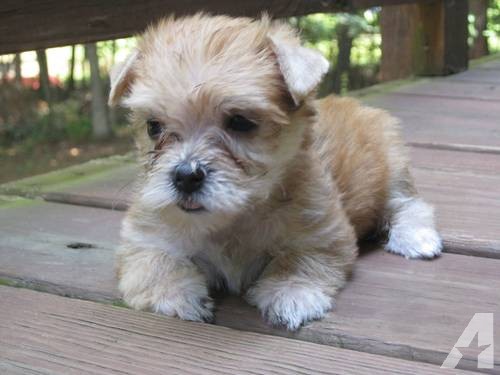
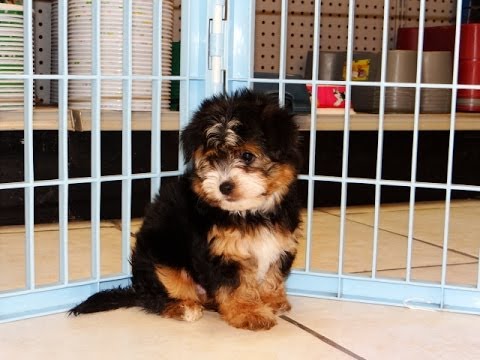
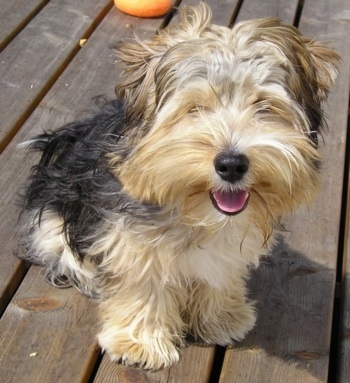
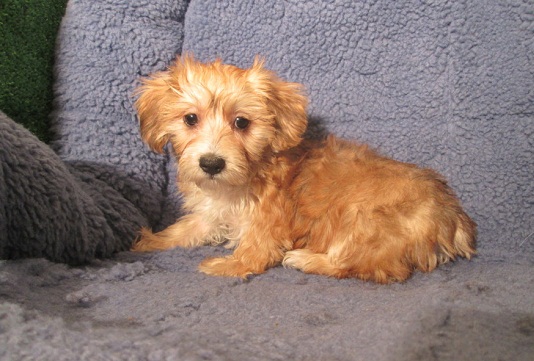
Jags Goldie Last updated: 22nd October 2022The Yorkie-tons are a smart little cross between the Yorkshire Terrier and Coton de Tulear, known for being sweet and cuddly. They have expressive eyes, a black nose, and short legs. These friendly dogs with their pleasant disposition are a great fit for those with small space.
Yorkie-ton Pictures
-

- Yorkie de Tulear

-

- Yorkie-ton Dog

-

- Yorkie-ton Images
-

- Yorkie-ton Pictures

-

- Yorkie-ton Puppies
-

- Yorkie-ton
-

- Yorkie-tons

-

- Yorkshire Terrier X Coton de Tulear
Quick Information
| Alternative Names | Yorkie de Tulear |
| Coat | Long, glossy, silky, cottony/fluffy |
| Color | Brown, white, black, black and tan, black and white |
| Breed Type | Crossbreed |
| Category | Non-Sporting, Toy |
| Lifespan | 12-16 years |
| Weight | 7-10 lb |
| Size | Small |
| Height | Average of 8 inches at the shoulder |
| Shedding | Low |
| Size of Litter | 2-4 puppies |
| Temperament | Social, playful, energetic |
| Hypoallergenic | Yes |
| Good with Children | Yes |
| Barking | Rare |
| Country Originated in | USA |
| Competitive Registration/ Qualification Information | DRA, IDCR, DDKC, DBR, ACHC |
Video: Yorkie-ton Puppies Playing
Temperament and Behavior
Bred to be an excellent family companion, the Yorkie Coton mix enjoy being with their people, following them from one room to another. They attach well with their family members and do not like to spend long hours in isolation. Playful by nature, these dogs often display clownish behavior for attracting everyone’s attention.
The charming Yorkie-tons can cope with visitors and are not aggressive to other dogs. Owing to their fun-loving disposition, they become great playmates for kids provided they are treated respectfully. Clumsy behavior such as stepping on them, kicking them, or patting them hard might make them shy and fearful.
Care
Exercise
The Yorkie-ton does not need an intense exercise routine. It enjoys going on daily walks, playing exciting games of fetch in a fenced yard, or doing any activity that involves a lot of human companionships.
Grooming
Brushing the Yorkie-ton’s coat 3-4 times a week using a pin brush is recommended for prevention of matted fur. To minimize hair breakage, you can use a spray conditioner while brushing or combing its coat. When your dog gets dirty, bathe it with a gentle shampoo.
Health Problems
It is a healthy breed with no known genetic diseases. However, owners should be aware of the health conditions that affect its parents. Some of the issues include hip dysplasia, progressive retinal atrophy, luxating patella, collapsed trachea, and hypoglycemia.
Training
Yorkie-tons are receptive to training because of their loyalty and eagerness to please their owners.
Housetraining: Some owners find their dogs hard to housetrain. Start training your pup by keeping it on a well-planned feeding schedule. Take it outside to eliminate in the morning and make sure that it goes out once every hour. Always take your Yorkie-ton to potty in the same area. When it returns after eliminating outside, reward it with treats and praises. Repeat this for a few days.
Tricks: Owing to its high intelligence, teaching dog tricks such as shaking hands can be easy. First, instruct your dog to sit while holding some treats. Reach out for its paw and utter a short command like “shake hands” or “shake.” If your dog tries to put its paw forward without your help, praise by saying “good boy” and give it the treat. Repeat until your pet masters the trick.
Feeding
A nutritious diet containing half to one cup of dry food per day is recommended for your pet.