

 Shiloh Nevada Last updated: 17th November 2022
Borkie
By
Shiloh Nevada Last updated: 17th November 2022Borkie (not to be confused with the Yorkie/Bichon Frise cross) is a cross between the Beagle and the Yorkshire Terrier (Yorkie). They possess the coat of the Yorkshire Terrier, and have floppy ears, feet, and torso very much like the Beagle’s. The borkies have a round face studded with round black eyes and a dark nose. Known for their cute looks and a loving personality, they can be a good addition to any family.
Borkie Pictures
-

- Beagle Yorkie Mix Pictures
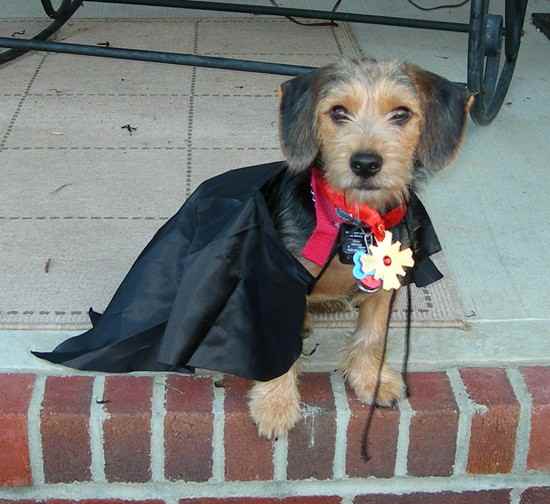
-

- Beagle Yorkie Mix Puppy
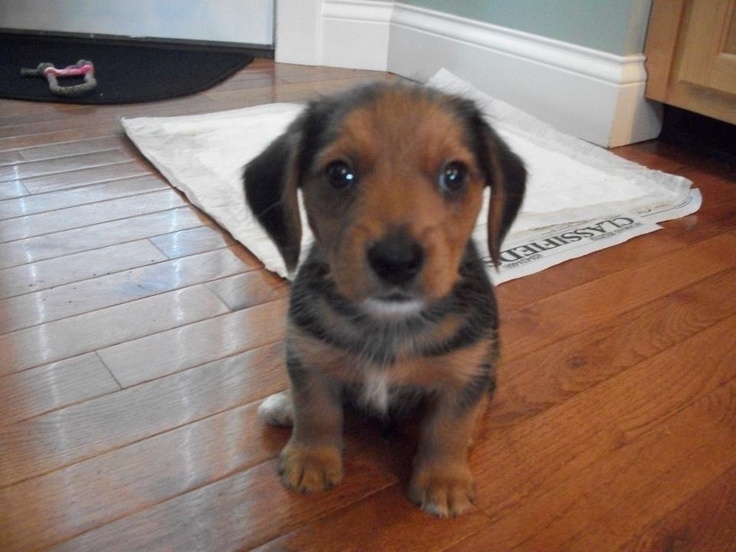
-

- Beagle Yorkie Mix
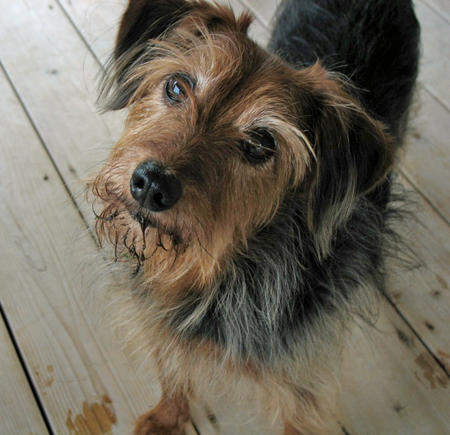
-

- Borkie Dog
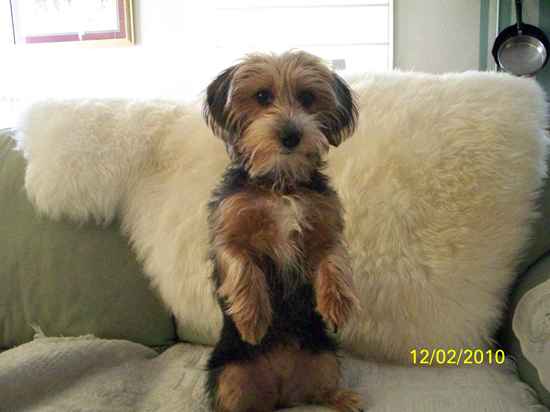
-

- Borkie Full Grown

-

- Borkie Pictures
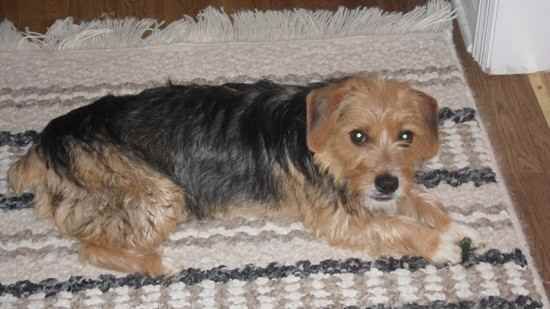
-

- Borkie Puppies

-

- Borkie Puppy
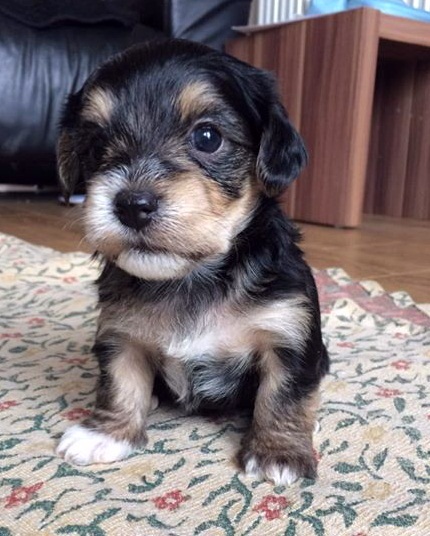
-

- Borkie
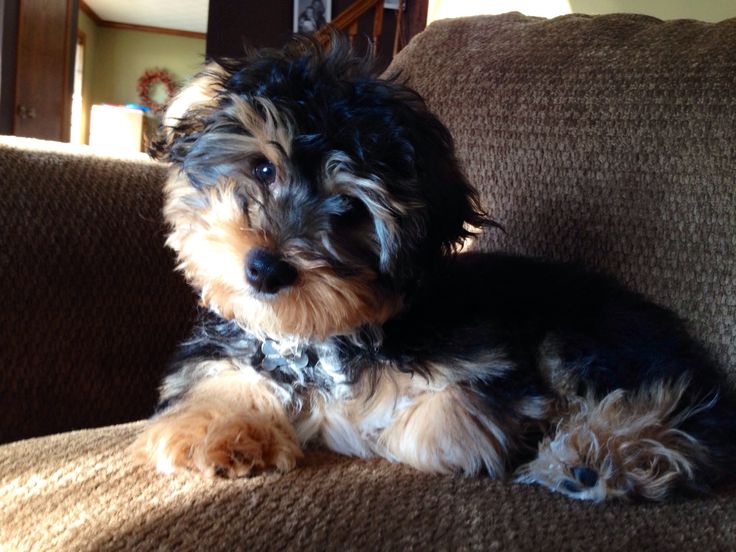
-

- Yorkie Beagle Mix
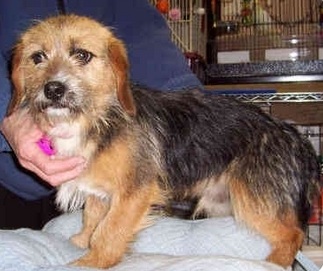
Quick Facts
| Also known as | Yorkie Beagle Mix |
| Coat | Long, curly, silky |
| Colors | Brown, black, grayish black, tan, tan, white, tri-colored |
| Type | Companion dog, Terrier dog |
| Group (of Breed) | Crossbreed |
| Life Span/Expectancy | 10 to 13 years |
| Height (size) | Medium |
| Weight | 20-25 pounds (full grown) |
| Personality Traits | Loving, intelligent, active, loyal |
| Good with Children | Yes |
| Good with Pets | Yes |
| Barking | Yes |
| Hypoallergenic | Unknown |
| Country of Origin | USA |
| Competitive Registration/ Qualification Information | DBR, IDCR |
Temperament and Behavior
With their loyalty, patience, and affectionate nature, the borkie can be an ideal family dog especially with those who can give them plenty of attention regularly. They enjoy following you everywhere and love sleeping next to you to get cuddled.
Borkies are active and playful, making excellent companions to children, also being comfortable with other pets of the house. As a social breed, they tend to find a friend in anyone they come across, making your visitors feel safe,which does not make them a good guard dog. However, this trait doesn’t make them a good guard dog, but they are prone to barking.
The borkies are curious dogs with a strong chasing instinct that often instigates them in following their ears and nose. These intelligent canines would readily perceive what you are expecting from it. Borkies do not enjoy the cold climate.
Care
Exercise
Both the puppies and the adults require frequent exercise. Take them out for long walks and jogging every day. Let them play freely and entertain themselves if you have a securely fenced area.
Grooming
Trim their coats every two months, and use a brush to comb it 2 to 3 times a week to keep it straight and mat-free.
Health Problems
No known breed-specific health issues.
Training
Being receptive, with inborn learning instincts, these dogs are easily trainable.
Obedience: Train your puppy not to get distracted in the middle of any work and run after an object of distraction by teaching it to obey unfailingly a command like stop, come, freeze or sit the moment you throw it. Get it used to leash from a young age.
Tricks: Try to make your puppy dance. Hold an object of lure over its nose so that it raises its forelegs up and stands on the hinds. As it gradually learns to balance, move the lure and make it walk, or go in circles.
Diet/Feeding
Because borkies are highly energetic, their diet should comprise of sufficient amounts of carbohydrate and protein (like in fish and meat). Feed them with dry dog foods twice a day. This should also keep away chances of obesity.




I have some Borkies, be ready in 8 weeks.
Two black and white males
One gray and white male
I’m interested in one of your Borkies. I have a 3 year old male that I believe to be a Borkie. Where are you and how much are your puppies?
Please send me pictures and price
Contact me if you still have a female please
Looking for female yorkie beagle
I had a female beagle yorkie fir 13.5 yrs sadly had to put her down on xmas eve i want to find another one just like her