

 Jags Goldie Last updated: 22nd October 2022
Silkyhuahua
By
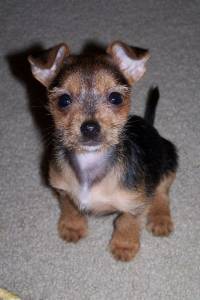
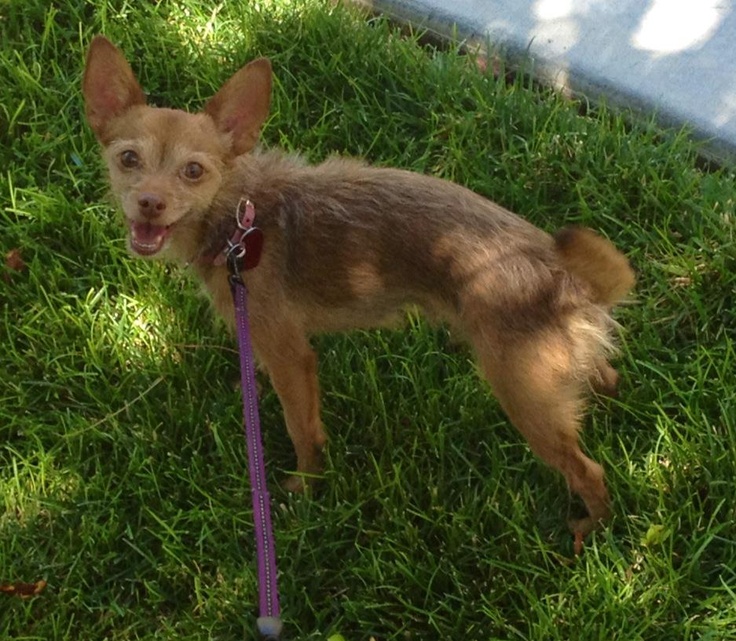
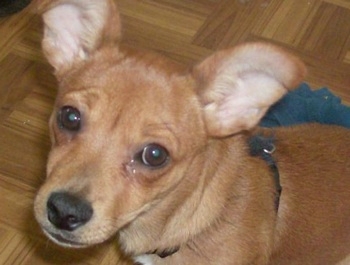
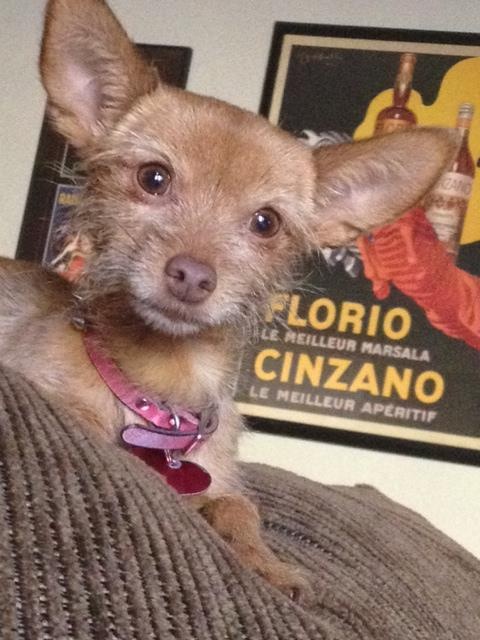
Jags Goldie Last updated: 22nd October 2022The Silkyhuahua, produced by crossing the Silky Terrier and the Chihuahua, can be described as a small dog with a big personality. It is a fun loving and affectionate canine pet that thrives on companionship. It has a compact body with a wedge-shaped head, small, dark, almond-shaped eyes, short legs, and a high-set tail.
Silkyhuahua Pictures
-

- Silky Terrier Chihuahua Mix Dog

-

- Silky Terrier Chihuahua Mix Puppy
-

- Silky Terrier Chihuahua Mix
-

- Silkyhuahua Dog

-

- Silkyhuahua Pictures
-

- Silkyhuahua
Quick Information
| Other names | Silky Terrier-Chihuahua Mix, Silky Chi |
| Coat | Thick, silky, double-layered |
| Color | White, cream, salt and pepper, gray, brown and white, black and white, black and brown |
| Breed Type | Crossbreed |
| Group of Breed | Toy |
| Lifespan | 12-15 years |
| Weight | 5-10 lbs |
| Size/Height | Small; about 10 inches |
| Shedding | Moderate |
| Temperament | Spirited, intelligent, friendly |
| Hypoallergenic | Unknown |
| Good with Children | Yes |
| Barking | Occasional |
| Country Originated in | USA |
| Competitive Registration/ Qualification Information | ACHC, DRA, IDCR |
Silkyhuahua Video
Temperament and Behavior
True to its terrier ancestry, the Silkyhuahua loves chasing small animals including birds, squirrels, rabbits, and mice. Despite its small stature, it makes a great watchdog, as it will quickly sound an alarm if someone or something tries to intrude upon its territory. Being devoted to its people, the Silky Chi is a loving housemate and is the happiest when it is a part of the daily family life. When left alone for extended periods, it may get into mischief and display some aggressive behavior including barking, whining, and digging. Although the Silkyhuahua loves children, it is best suited to families with older children. Given its strong, feisty nature, it may not tolerate prods and nudges from toddlers.
Care
Exercise
The Silkyhuahuas, being lively and smart, need a fair amount of daily activity with mental stimulation. Apart from daily walks and trips to the dog park, these dogs enjoy playing and romping with their owner in the yard. Therefore, engaging in fun activities such as a game of fetch will keep them physically and mentally fit.
Grooming
When it comes to grooming, the Silkyhuahuas are not at all a fussy breed. Apart from brushing their coat twice or thrice a week, bathing every month will keep their fur free from dirt and tangles. If you do not prefer their coat growing long, use clippers to trim their hair. Proper dental and nail care should be provided by regularly brushing their teeth and clipping their nails every month or so.
Health Problems
These dogs are prone to some health conditions including hypoglycemia, patellar luxation, diabetes, epilepsy, pulmonic stenosis, and heart murmurs.
Training
Consistency in training along with fun lessons using positive reinforcement will help in winning your pup’s cooperation.
- Since these dogs can display rambunctious behavior when left unsupervised, crate training is needed to keep them out of trouble when their owner is away from home.
- Train your dog to walk on a leash. If your Silkyhuahua starts pulling while training, stand very still. Do not move until it comes back to your position. Do not jerk the leash or drag your dog. You can use a front-hook harness or head halter, which is specifically designed for dogs that are likely to pull.
Feeding
While the adult Silkyhuahuas need half to a three-fourth cup of dry food per day, the puppies should be provided with about one-fourth cup of kibble a day.




Hey, that’s my dog Gremmie! You can follow her @Gremmielicious
Do you know of breeder for Silkyhuahua