
 Shiloh Nevada Last updated: 18th October 2022
Seppala Siberian Sleddog
By
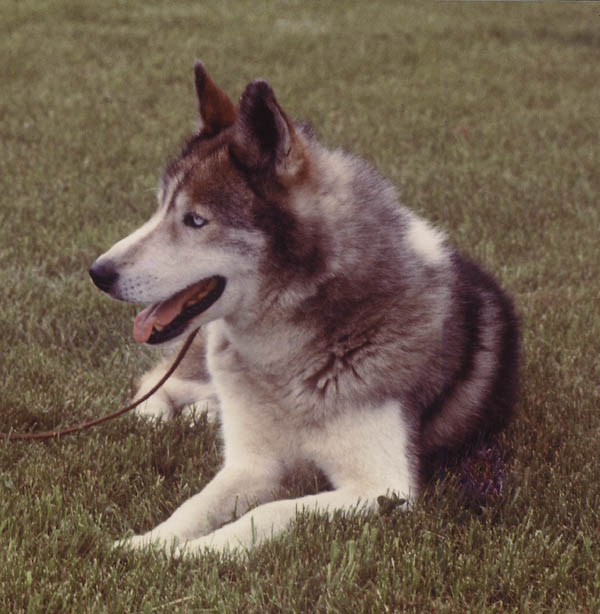
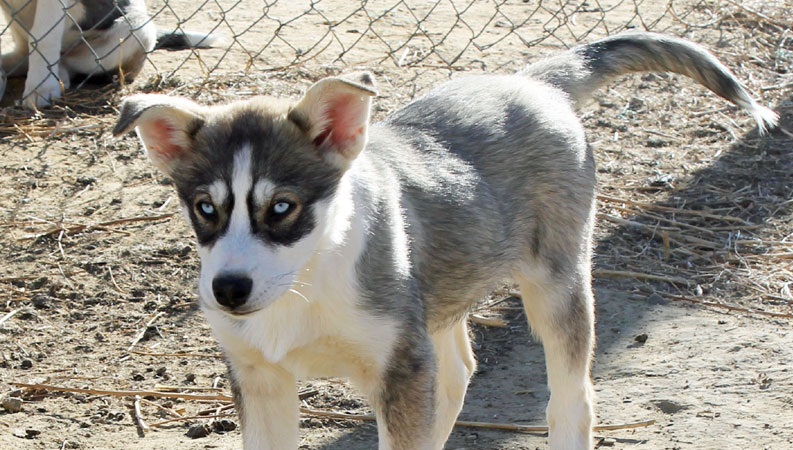
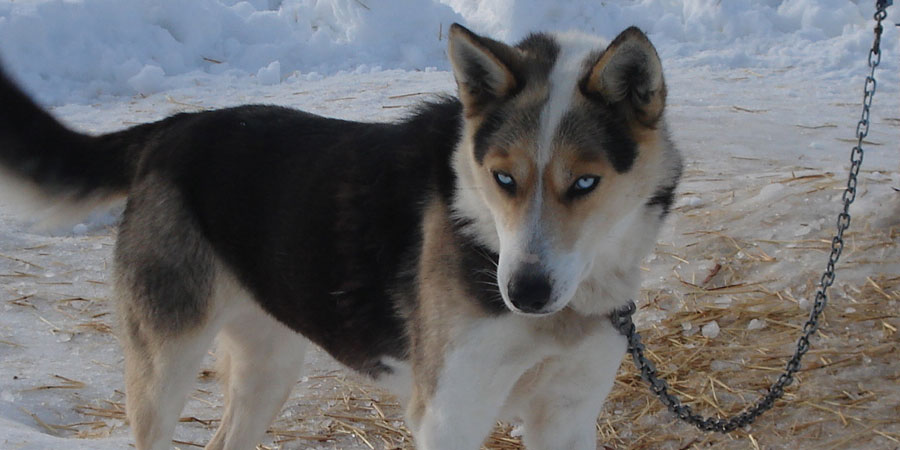
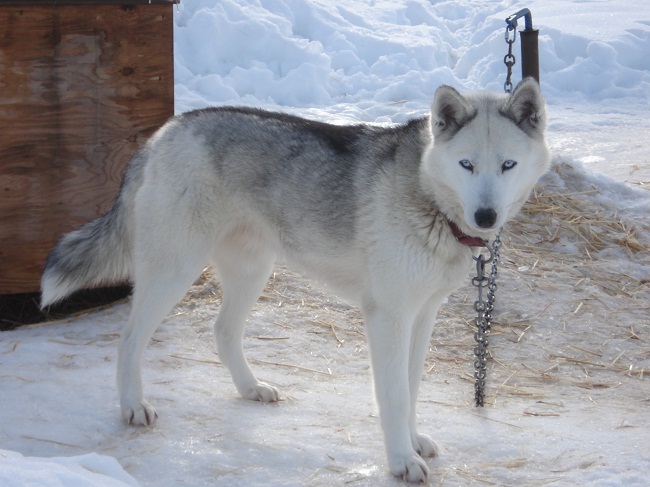
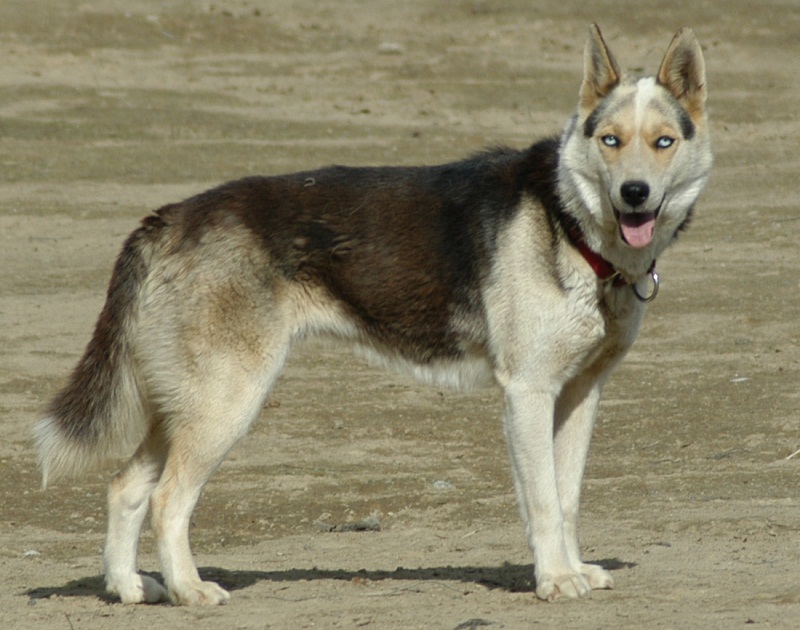
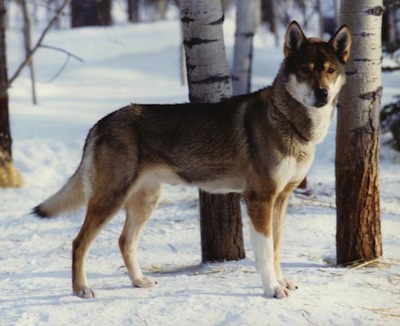
Shiloh Nevada Last updated: 18th October 2022The Seppala Siberian Sleddog is a breed of Arctic dogs with a wolf-like appearance. As the name suggests, they have long been used in groups in the cold regions to pull sleds, which delivered in them a pack instinct. These rare dogs have a medium stature with an elongated head with almond eyes, and a black muzzle. Their well-developed neck, shoulder, and chest are adapted to perform their work efficaciously. The legs are also long and high that suit well with a proportionally long tail. No major kennel clubs have yet recognized this as a standardized breed. Since these are Arctic dogs, they cannot withstand heat. Hence, they are not recommended for owners living in tropical countries.
Seppala Siberian Sleddog Pictures
-

- Images of Seppala Siberian Sleddog
-

- Pictures of Seppala Siberian Sleddog
-

- Seppala Siberian Sleddog Images
-

- Seppala Siberian Sleddog Images
-

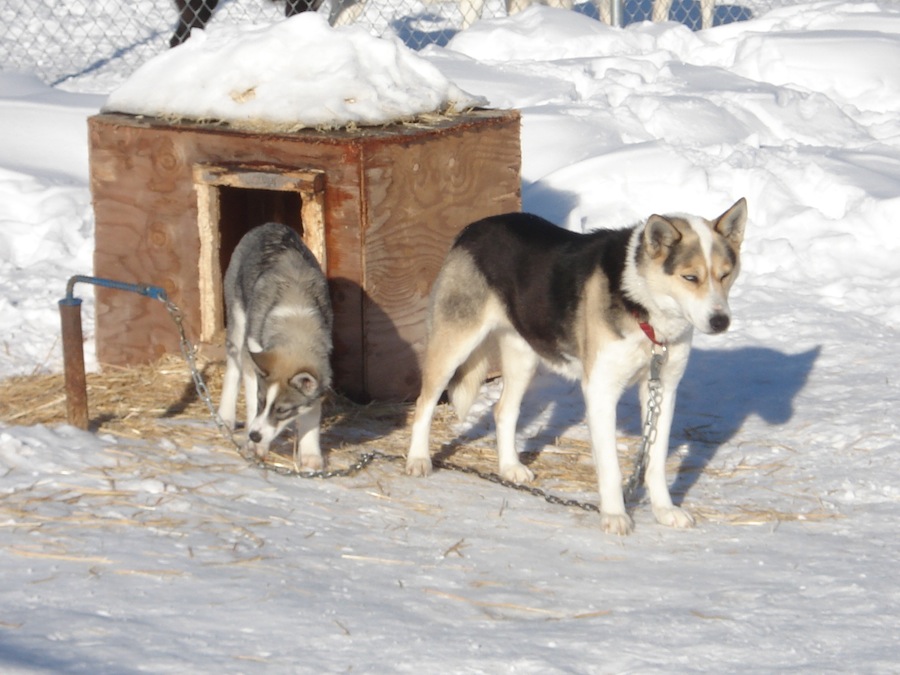
- Seppala Siberian Sleddog Photos
-

- Seppala Siberian Sleddog Pictures
-

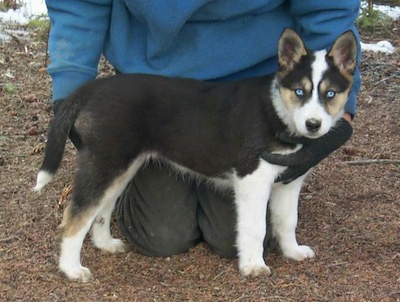
- Seppala Siberian Sleddog Puppies
-

- Seppala Siberian Sleddog
-

- Seppala Siberian Sleddogs
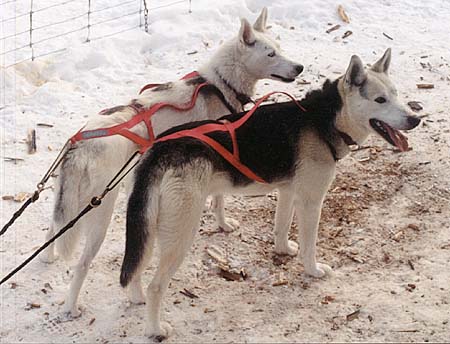
-

- White Seppala Siberian Sleddog

Quick Information
| Coat | Smooth, Dense, Medium |
| Colors | Black, Gray, Sable, White |
| Type | Working Dog |
| Group (of Breed) | Purebred |
| Life Span/Expectancy | 12 to 15 years |
| Height (size) | Medium; Male: 21 in. – 25 in.; Female: 19 in. – 22 in. |
| Weight | Male: 40 lbs – 60 lbs; Female: 31 lbs – 53 lbs |
| Life Expectancy | 12-15 years |
| Personality Traits | Loving, intelligent, loyal, active, protective, willing |
| Good with Children | Yes |
| Good with Pets | Yes |
| Barking | Yes (medium to high) |
| Hypoallergenic | No |
Video: Group of Seppala Siberian Sleddogs Pulling Sled
History & Development
For almost fifty years, the Seppala Siberian Sleddog and the Siberian Husky were considered as the same breed because of their common ancestry. The Seppalas neither had a separate registry nor were taken to the show rings. They were exclusively used for pulling sleds in the arctic regions.
As the growing popularity of show ring dogs kept growing, with special emphasis on physical appearance, the Siberian Sleddogs continued to exist as true working dogs. They were kept separated from the show dogs purposefully so as to keep their working strain going.
In the late 1990s, the Canadian agriculture authorities recognized it as an ‘evolving breed’ that helped the new strain gain some prominence. Finally, in 2002, with the effort of the breeders, their lines began to spread in the United States.
Temperament and Behavior
Seppala Siberian Sleddogs are strictly working dogs and have a strong pack instinct. They are intelligent and would understand the mind of its owner easily. So, all it needs is a consistent ‘pack leader’ whom it can follow. They love the company of their owners and family members, without which they can develop destructive habits.
However, they are considerate over other pets, as they are with the kids. Seppalas love to roam around and have a prey drive, running after small game animals. Backed by their protective instinct, they would tend to bark if they find anything suspicious in and around its house. These sled dogs are, naturally, not recommended for apartment living.
Care
Exercise
Seppalas can be excellent jogging companions. So the best time for them to take out for a half-an-hour jogging is early morning, and again, just after sundown. Let them play and play, running around an enclosed yard. Activity is all that these working dogs need to burn down their calories. With this, they would also be able to keep a balance between their body and mind, and will not tend to be destructive or vocal.
Grooming
They have a thick coat, and they tend to shed heavily. Brush their coat 3-5 times every week to eliminate dead hair, and to keep it healthy. You can bathe them once or twice a week during summer.
Health Problems
Though they are well-built and robust in general, the Seppala dogs have often been seen developing issues like allergy and eye diseases. There have also been reports of cancer.
Training
- Because this breed has a gregarious instinct of living in packs, they need a good ‘leader’ who can handle the ‘pack’ well. So, it is you who should take control over your puppy, and not the vice versa. For that, begin with teaching your puppy the ‘follow’ or ‘follow me’ command right from the early age.
- Though Seppalas are intelligent and can learn things quickly, they get bored easily. So, it is advisable to teach them new things in alternation. Insist on unique training techniques, and make it fun for your Seppala Sleddog puppy. Keep providing snacks and treats along with hugs and cuddles from time to time.
- These dogs tend to bark if left alone for long hours or to attract your attention, or just in case they find something monotonous. If you parent a Seppala puppy, but your work schedules keep you out for hours daily, you must first teach your dog to accept this. To teach this to your puppy, begin with going out for 5 minutes, and then come back. Increase the time to 10, and then 20, and so on, until you find your pup is getting used to it. Also, do not make it an ‘issue’ by saying ‘bye’ or caressing your dog before leaving. Pretend as if it is a part of its daily routine.
Diet/Feeding
Make two meals, dividing 2½ to 3 cups of good-quality, dry kibbles. But keep an eye on its feeding habits since they are known to be voracious eaters.