
 Jags Goldie Last updated: 28th October 2022
Scotch Collie
By
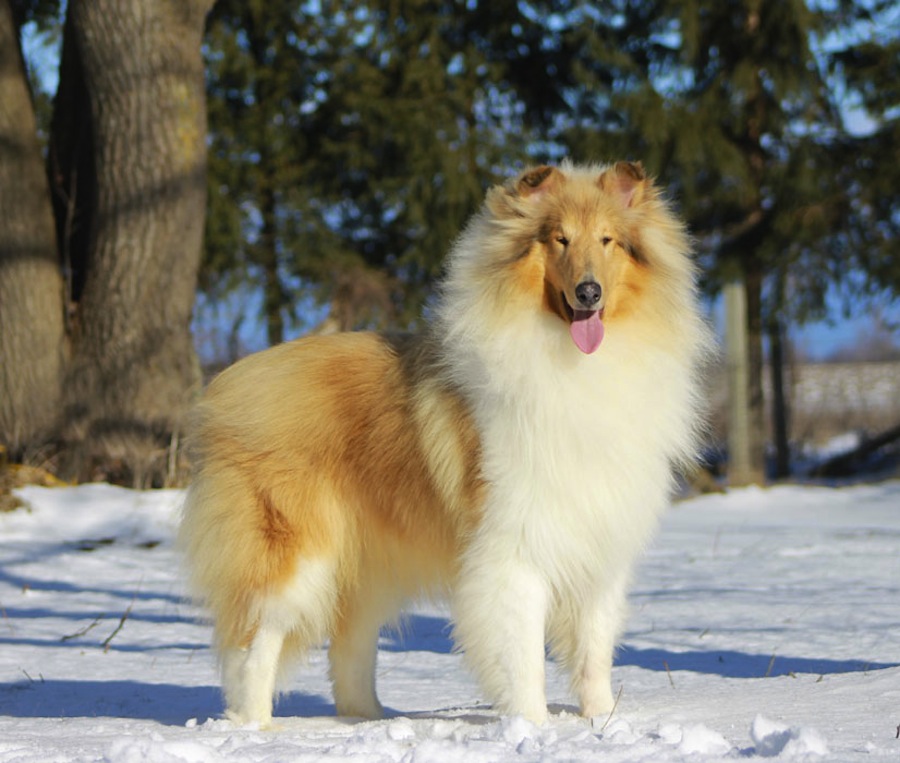
Jags Goldie Last updated: 28th October 2022The Scotch Collies or Old Time Scotch Collies are landrace dogs, consistent enough to be recognized as a breed, though their appearance is somewhat variable as compared to standardized breeds. Before becoming popular as a pet, these Collies, and their ancestors were considered working-type dogs used for herding livestock for centuries. They have a muscular body with a wedge-shaped head, long, upright neck, well-sloped shoulder, deep chest, powerful hips, and sloped croup.
Scotch Collie Pictures
-

- Old Time Scotch Collie
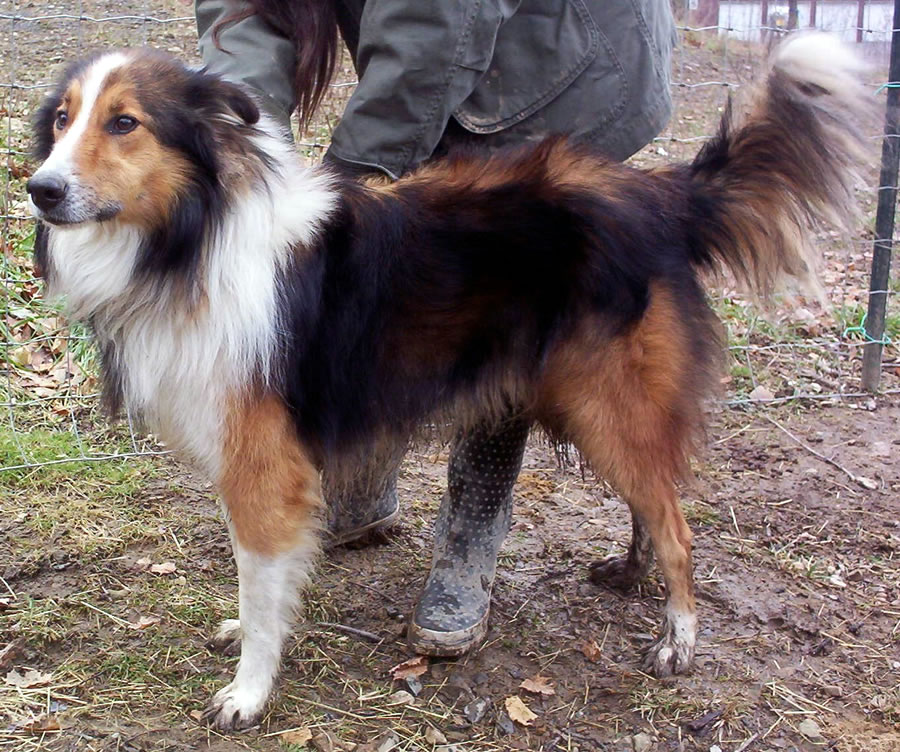
-

- Scotch Collie Dog
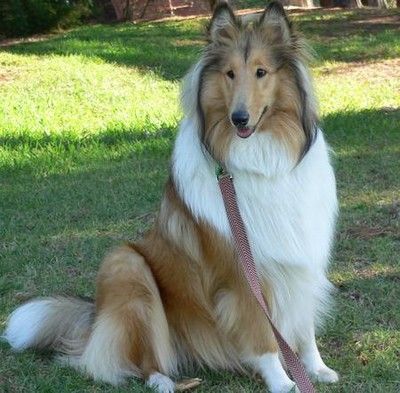
-

- Scotch Collie Images
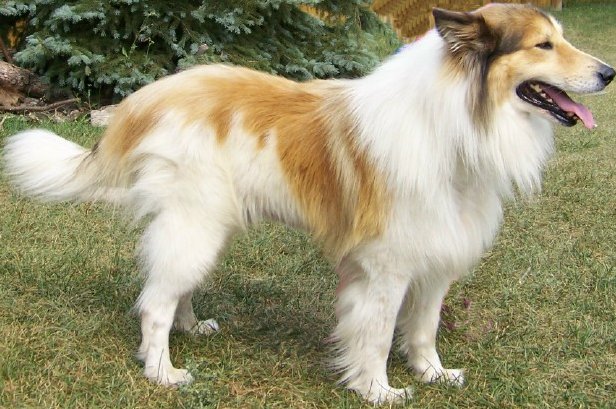
-
- Scotch Collie Pictures
-

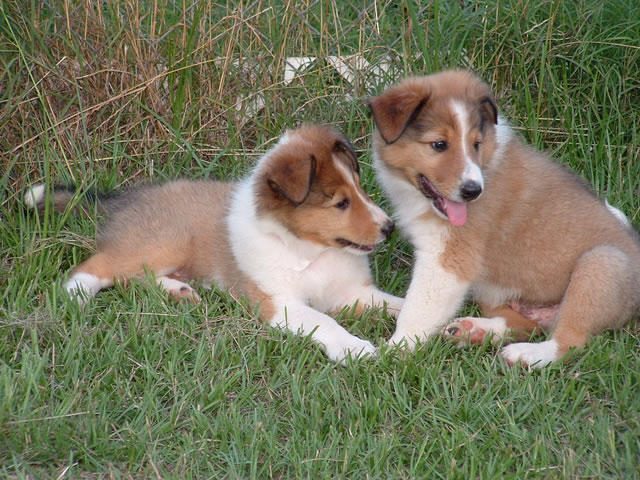
- Scotch Collie Puppies
-

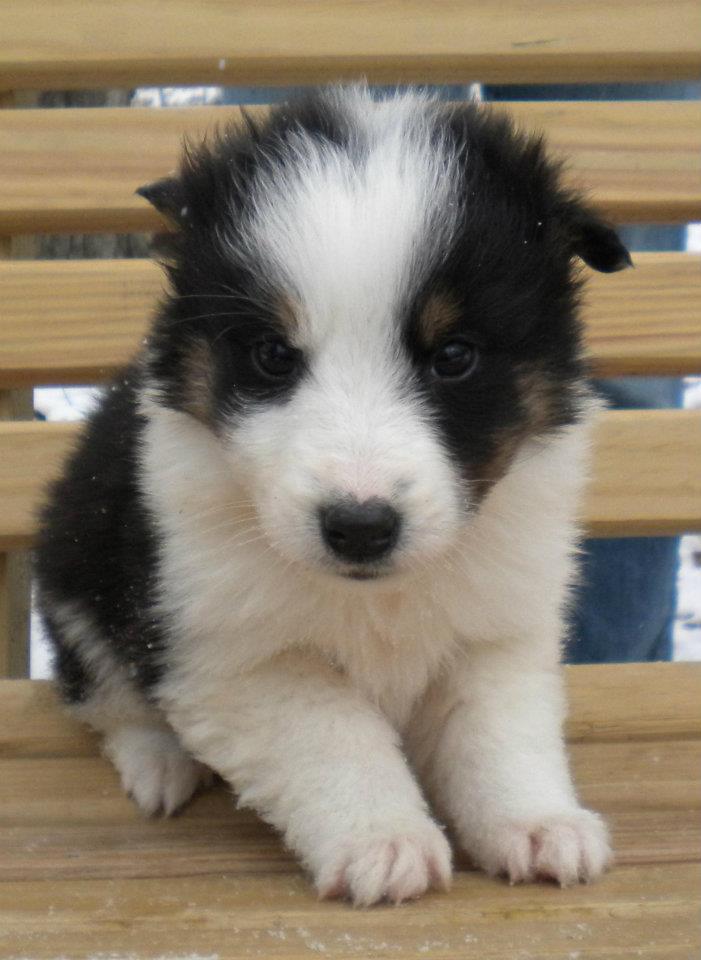
- Scotch Collie Puppy
-

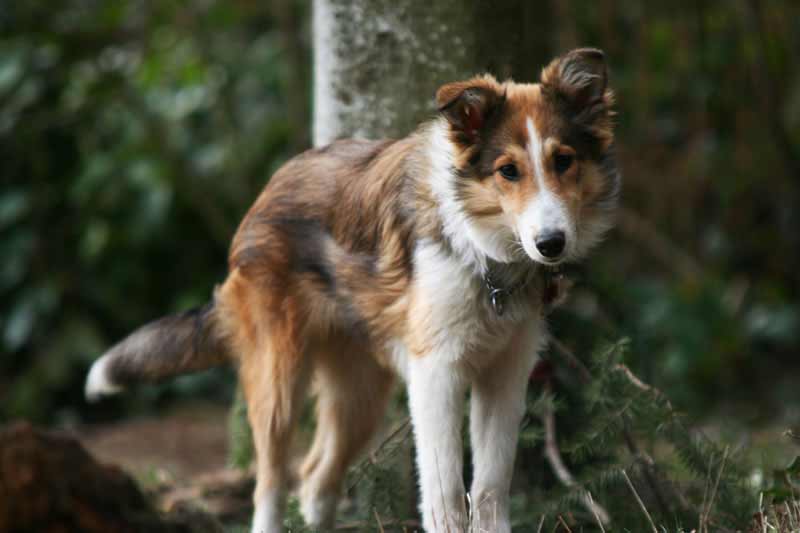
- Scotch Collie
-

- Scottish Collie
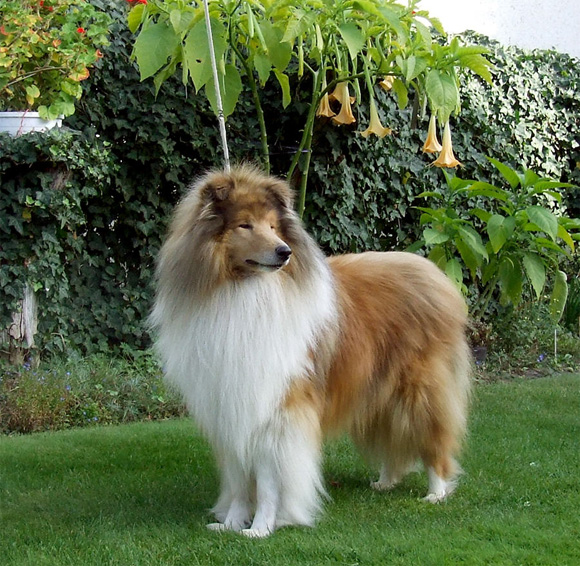
Quick Information
| Alternative names | Old Farm Collie, Farm Collie, Scottish Collie |
| Coat | Short (smooth) or long (rough), flat, dense |
| Color | Sable, tricolor, black and white, blue merle, white; some may have tan markings |
| Breed Type | Dog Landrace |
| Group of Breed | Herding |
| Lifespan | 12-14 years |
| Weight | Female: 40-60 lb Male: 45-70 lb |
| Size/Height | Medium; female: 19-22 in male: 21-24 in |
| Shedding | Moderate to heavy |
| Size of Litter | 8-12 puppies |
| Temperament | Devoted, proud, graceful, affectionate |
| Hypoallergenic | No |
| Good with Children | Yes |
| Barking | Occasional |
| Country Originated in | Scotland, England, Wales |
| Competitive Registration/Qualification Information | DRA |
Video: Scotch Collie Puppy’s Herding Instinct
History
Believed to have evolved from Native Celtic Dogs, Roman Cattle Dogs, and the Viking Herding Spitz, the Scotch Collie as recorded in historical accounts, existed in Britain by the late 18th century. With their increasing popularity in the 19th century, the Scotch Collies were exported to America to help in herding and farming works. With the advent of the 20th century, this breed became a rage as the pet owners, farmers, ranchers, and even the Queen all owned Scotch Collies.
As time went by, these dogs were selectively bred and crossed with other breeds to improve their physical characteristics. In the late 19th century, the breeders standardized the breed, keeping written records of its pedigree. Many of the modern dog breeds including Rough Collie, Smooth Collie, Shetland Sheepdog (Miniature Collie), Border Collie, English Shepherd, Gordon Setter, Australian Shepherd, and Australian Cattle Dog have been derived from Scotch Collies.
Temperament and Behavior
The sweet, loyal, and friendly Scotch Collie makes a good family companion that wants to be a part of every household activity. It can at times become a bit clingy because of its extreme sense of family loyalty. It loves playing with children and protectively watches over them.
Not known to be aggressive towards other dogs, the Scotch Collie can also coexist with non-canine pets. Since its herding instincts are strong, it is quite usual for your pet dog to gather pets and children, and act as their tender guardian.
Care
Exercise
A Scottish Collie can live in any household environment, in the countryside or the city, provided that it has enough regular exercise. Aside from daily brisk walking or jogging, it should have access to a yard where it can enjoy games of Frisbee. Scotch Collie puppies can also be engaged in canine sports such as agility, lure coursing, obedience, and herding trials.
Grooming
Its simple grooming routine should include brushing, bathing, nail trimming, and cleaning its teeth and ear. Thorough brushing its coat with a pin brush once or twice a week is sufficient. Bathing is recommended every one to two months with a good quality dog shampoo. If you are a novice owner, you may seek help from a professional groomer to bathe and brush your Collie.
Health Problems
A Scotch Collie may get affected by inherited skin disorder, nasal dermatitis, PRA, Collie eye anomaly, drug sensitivity, and hip dysplasia.
Training
Since these dogs are smart and responsive, training the Scotch Collies is fun and easy.
- Stop excessive barking: Some of these Collies bark excessively when they are frustrated, bored, or lonely. Such unwanted behavior can be prevented by keeping them mentally occupied. Give them chew toys and Buster Cubes, which when filled with treats will get their brain and body working.
- Socialization: You can take your Collie pup to shopping centers, schools, parks, or in different neighborhoods. While walking your pet, give some treats to the passersby (both adults and children) and let them offer those to your puppy. This positive experience with strangers will influence the way your pet matures and interacts.
Feeding
Two to three cups of quality dry food are recommended per day and make sure that your dog’s food is split into two meals.
Interesting Facts
- Blanco, a white Scotch Collie, was owned by the former US President Lyndon B. Johnson.
- A Scotch Collie called Jean was the first canine to become a movie star.
- Eric Knight’s fictional dog character of Lassie was played by a Rough Collie named Pal in the 1943 MGM movie, Lassie Come Home.