
 Dr. James Watuwa Last updated: 27th November 2023
Malteagle
By
Dr. Watuwa James (MSc. WHM ,BVM) boasts a notable six-year track record in the care and management of diverse species, especially Wild Animels ,Dogs ,Cats and More.
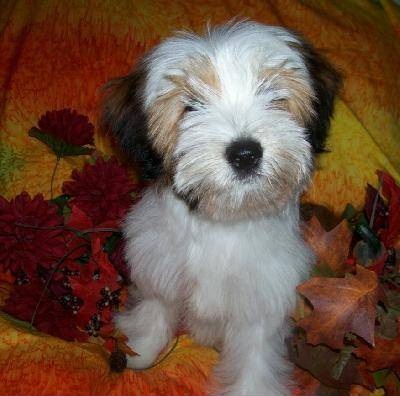
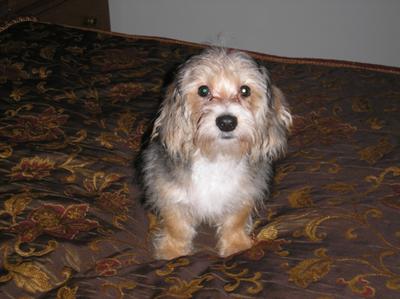
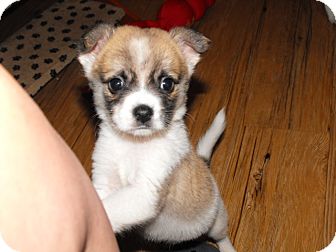
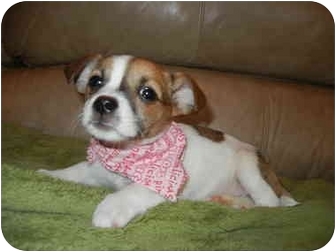
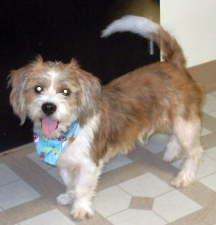
Dr. James Watuwa Last updated: 27th November 2023The cute, sturdy, and compact Malteagle is a breed created by crossing two purebred dogs – the Beagle and the Maltese. It has the visible traits of its parents, inheriting the smooth coat from the Maltese and the color pattern of the Beagle. It has soft, silky fur that makes it cuddly. Known to be gentle and loving, the Malteagle is one of the best companion dogs you can ever have.
Malteagle Pictures
-

- Malteagle Puppies

-

- Malteagle
-

- Maltese Beagle Mix Dog

-

- Maltese Beagle Mix Images

-

- Maltese Beagle Mix Pictures
-

- Maltese Beagle Mix Puppy Pictures
-

- Maltese Beagle Mix Puppy
-

- Maltese Beagle Mix
Quick Information
| Other Names | Beagle Maltese Mix |
| Coat | Short/medium in length, shiny, thick |
| Color | White/Cream, Brown and White, Black and White, Black |
| Breed Type | Crossbreed |
| Group of Breed | Toy, Hound |
| Lifespan | 12-15 years |
| Weight | 15-22 lbs (6.8-9.9 kg) |
| Size and Height | Small; about a foot tall |
| Shedding | Minimal |
| Temperament | Loving, intelligent, loyal, social, energetic |
| Hypoallergenic | Unknown |
| Good with Children | Yes |
| Barking | Occasional |
| Country Originated in | Unknown |
| Competitive Registration/ Qualification Information | IDCR, DDKC, DRA, ACHC, DBR |
Temperament and Behavior
The Maltese Beagle mix with its friendly, outgoing, and affectionate disposition generally gets along well with its human friends. Being a sweet little toy dog with an inherent ability to bond closely with its owner, the Malteagle does not intimidate those who have a fear of dogs, a trait that makes it suited to apartment or condo living.
It craves for human love and affection, and so it becomes destructive if left alone for long periods. However, overly pampering it could make it excessively protective of its human family. If this occurs, it would perceive small kids or other pets as threats. Therefore, early exposure to people as well as other animals is necessary.
It is a lively little pet that will always keep you busy with its amusing behavior. It has a great sense of smell, and it will follow an interesting trail if it gets the chance.
Care
Exercise
The Malteagle, being an active dog, requires a good amount of daily activity. Since it has the tendency of picking up interesting scents, always keep it in a confined place to prevent it from wandering off. Interactive playing sessions inside a fenced yard is a necessity. If you are taking it outdoors for a simple jog or walk, keep it on a leash.
Grooming
Gentle regular brushing is needed to keep your Malteagle dog clean and free from mats. If it already has developed mats, try to pull the mats apart using a conditioning-oil or a detangler spray. Individual hairs can be loosened by using the end tooth of a comb. Its dense fur can become dirty easily. Therefore, it has to be frequently bathed to keep its coat smooth and shiny. Wash its facial hairs after meals, and use lukewarm water to clean its eyes regularly. This will help clear up face and tear stains.
Health Problems
These dogs are likely to be affected by dislocation of joints, degenerative eye disorders, low blood sugar, hypothyroidism, and renal disorders. Take your pet to the vet for wellness exams. This will not just keep away illnesses but also helps it maintain an optimal health.
Training
The people-oriented Malteagles respond well to praise, food rewards, and play but require an expert hand to train them. The puppies can have a stubborn streak, which can be corrected with firm and consistent obedience training. Accustom your pet to being examined and brushed when it is a puppy. Crate training by stuffing its crate with chew toys will keep it busy and help prevent separation anxiety, as also make housetraining easy.
Feeding
The Malteagles need a healthy diet rich in protein to support their lifestyles, particularly if they are involved in agility or tracking competitions. Food sources like sunflower and fish oil provide them with plenty of energy and help keep their coat shiny. Brown rice, fruits, and vegetables are great sources of healthy fiber. You should measure your pet’s food depending on its age, weight, and level of activity. An adult Malteagle regularly needs 3/4-1 ½ cups of high-quality dry dog food.
Interesting Facts
- A Maltese-Beagle mix, named Colin, has been a resident of the kennel in the University of Florida since it was 2 months old. As it had an inherent susceptibility to a disease, it has undergone gene therapy for more than four years in the research labs. The researchers say that this is a major breakthrough that will improve lives.