
 Jags Goldie Last updated: 21st March 2024
Majorca Shepherd Dog
By
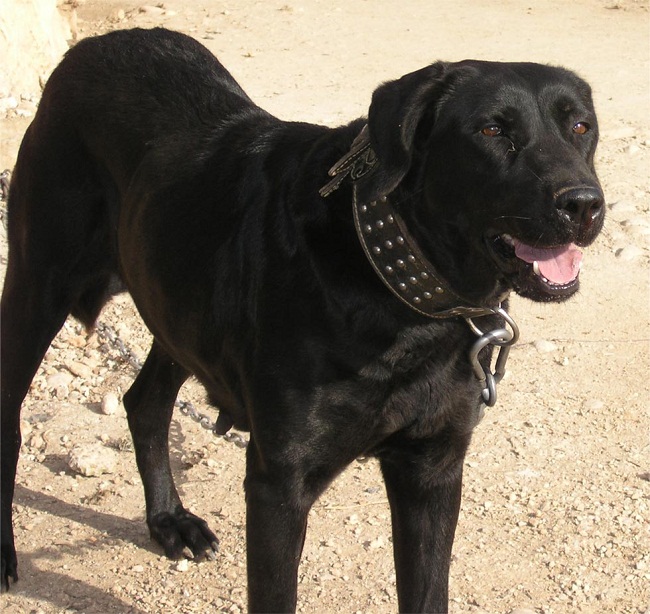
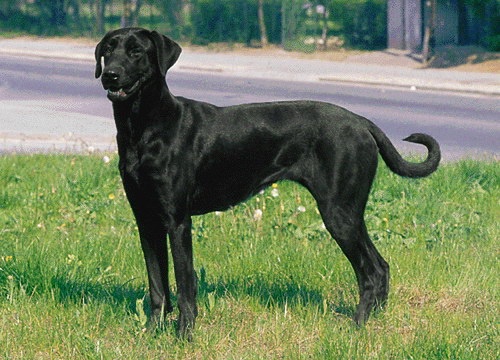
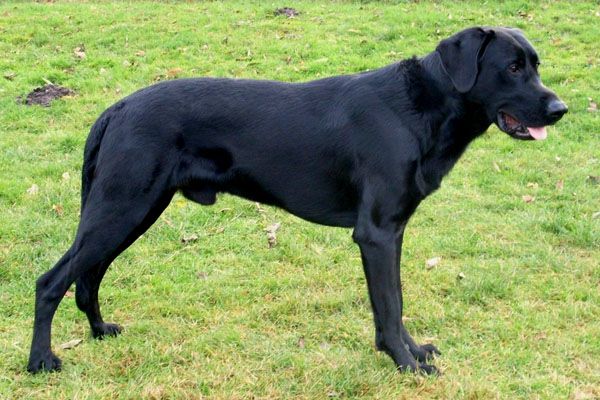
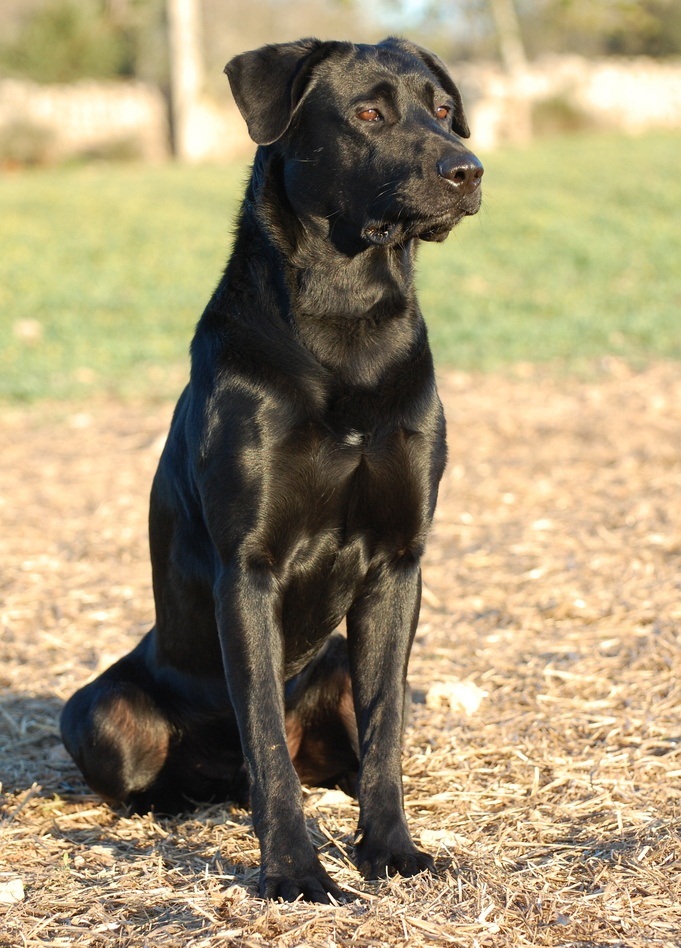
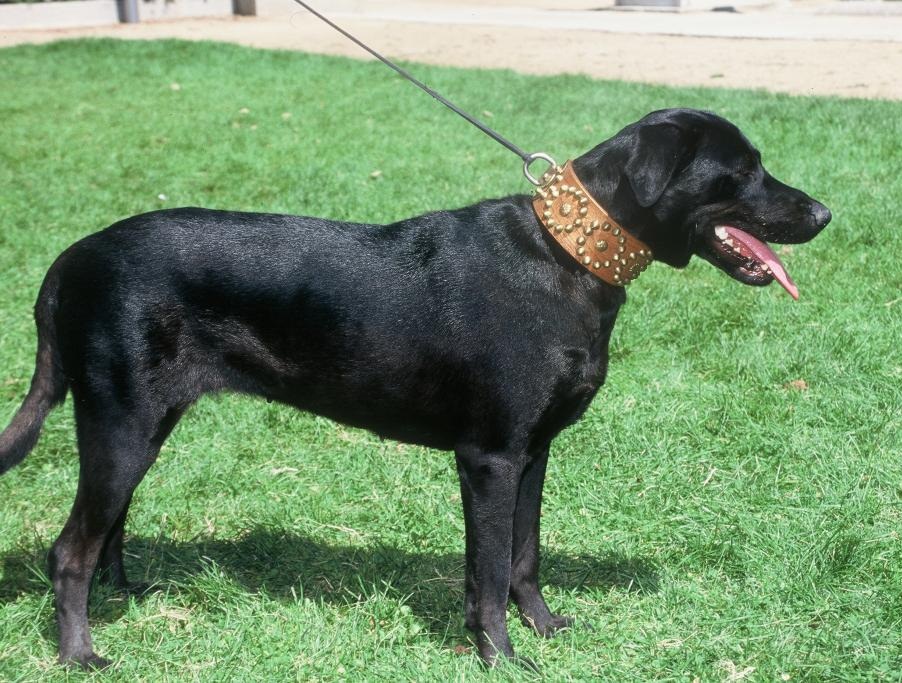
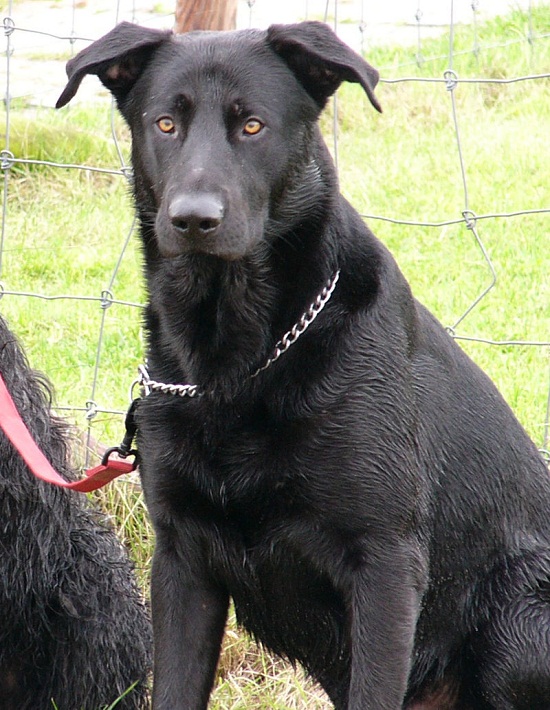
Jags Goldie Last updated: 21st March 2024Majorca Shepherd Dog, as the name suggests, is a breed of medium-sized dogs that have been bred for working in farms as the guardian and protector of sheep and other livestock. They are characterized by a sharply-defined head, medium-sized muzzle, black nose, small, round eyes, short, strong neck, deep, broad chest, well-sprung ribs, muscular hind legs, small, compact feet, and undocked tail.
Majorca Shepherd Dog
-

- Ca de Bestiar

-

- Majorca Sheepdog
-

- Majorca Shepherd Dog Images
-

- Majorca Shepherd Dog Photos

-

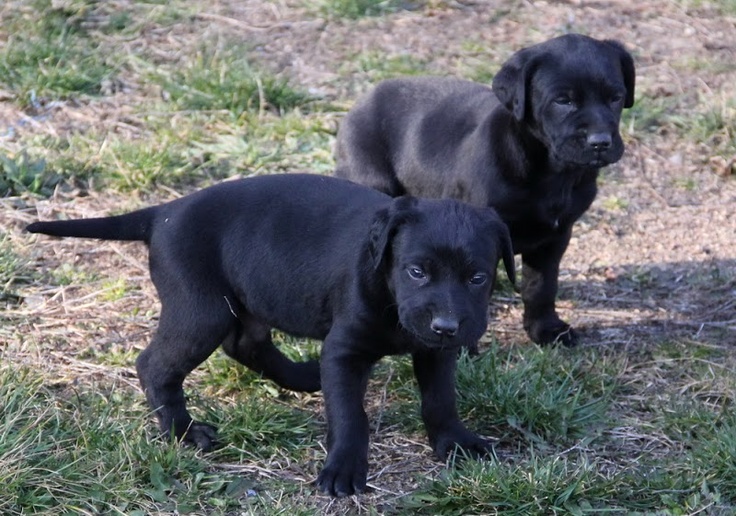
- Majorca Shepherd Dog Puppies
-

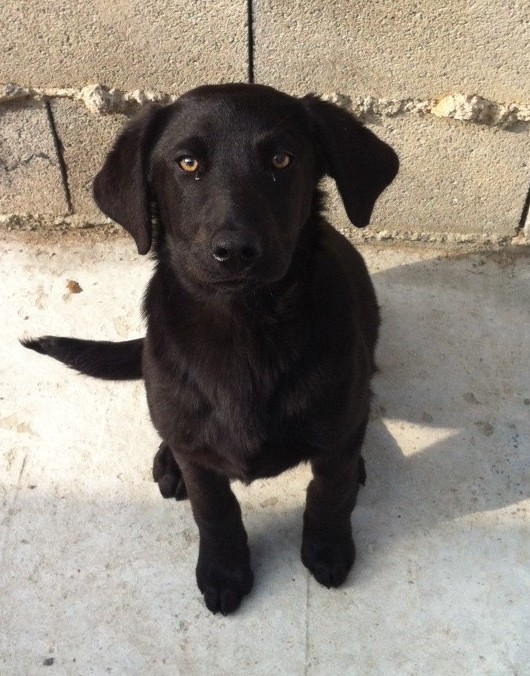
- Majorca Shepherd Dog Puppy
-

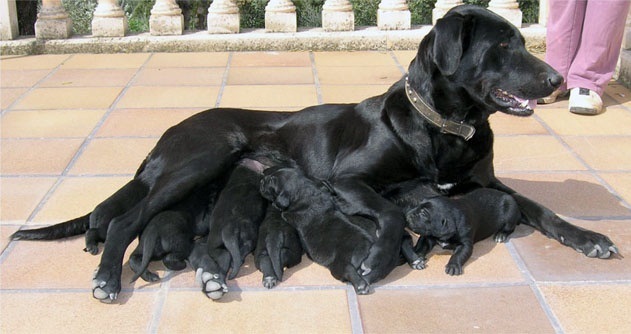
- Majorca Shepherd Dog with Puppies
-

- Majorca Shepherd Dogs
-

- Majorca Shepherd
-

- Spanish Majorca Shepherd Dog

-

- Perro de Pastor Mallorquin
Quick Information
| Other Names | Majorca Sheepdog, Ca de bestiar (Catalan), Perro de pastor Mallorquin (Spanish) |
| Coat | Short-haired: 1.5-3 cm long hairs, fine, thin undercoat Long-haired: 7 cm long fur in winter, somewhat curly on the back, well-distributed undercoat |
| Color | Predominantly black; white may appear on the chest, at the front, rear, and neck |
| Breed Type | Purebred |
| Category | Livestock Guardians, Herding Dogs |
| Lifespan | 10-14 years |
| Weight | 77-88 lbs |
| Size | Medium |
| Height | 22-24 inches |
| Shedding | Low |
| Size of Litter | 4-5 puppies on average |
| Temperament | Devoted, intelligent, protective, independent |
| Hypoallergenic | Unknown |
| Good with Children | Yes |
| Barking | Occasional |
| Country Originated in | Spain |
| Competitive Registration/ Qualification Information | FCI, UKC |
Video: Majorca Shepherd Dog Herding Sheep
History
The origin of Majorca Shepherd Dog is unclear though it is believed that these all-purpose farm dogs were brought to the Balearic Islands soon after the conquest of the Iberian monarch James I of Aragon. The controlled breeding program for these sheep-dogs started during the 1970s, with the first breed registry drafted in 1980. Subsequently, the “Royal Central Society for the Promotion of Dog Breeds of Spain” recognized it, while the FCI also acknowledged the breed in 1982.
Temperament and Behavior
Known for its devotion to its owner, the Majorca Shepherd Dog will never hesitate to defend its territory and protect its family from a possible threat. It is a courageous, biddable dog, neither too aggressive nor shy, but often displaying a distrust of strangers. The dominant personality of a Majorca Shepherd is observed when it directs a flock of sheep using barks, nips, and penetrating stares, showing that it is in charge.
Care
Exercise
Majorca Sheepdogs need roughly an hour of exercise each day, with plenty of high-energy activities such as playing Frisbee. Being a working breed, they always require some jobs to do. While they enjoy going for long brisk walks with their human companion, they would happily spend some free time running inside large fenced yards.
Grooming
Their coat does not need much care excepting an occasional brushing that would help distribute their skin’s natural oils and give their coat a glossy look. They need a bath only when their fur is dirty.
Health Problems
Some individuals may be affected by congenital health issues like patellar luxation, hip dysplasia, albinism, and cryptorchidism.
Training
The Majorca Sheepdogs are not a good choice for you if you have never owned a dog before. When training your dog, you got to be firm and confident in your approach.
Socialization
Since these sheepdogs are standoffish with unfamiliar people, you may give your Majorca Shepherd lots of contact with people of all ages, colors, and sizes. Take your pet along with you when meeting up with neighbors, friends, and other members of the family.
Obedience Training
Gaining obedience through training involves giving commands so that your pet may learn to live harmoniously in the family. Owing to its herding instincts, it might nip at humans. Therefore, basic commands like “sit,” “stay,” “stop,” “come,” and “go” are necessary for curbing this unwanted behavior.
Feeding
As an energetic breed, your Majorca Shepherd Dog needs a high-quality dry food containing about 20% protein and 7% fat. Make sure that its food has whole-meat protein like fish, beef, or poultry.
Interesting Facts
- Despite being a black dog, the Majorca Shepherd can endure the hot summer in the Mediterranean region. Hence, they are exported to Brazil for use as a guard dog that can efficiently protect private property.