
 Dr. James Watuwa Last updated: 27th November 2023
Kuvasz
By
Dr. Watuwa James (MSc. WHM ,BVM) boasts a notable six-year track record in the care and management of diverse species, especially Wild Animels ,Dogs ,Cats and More.
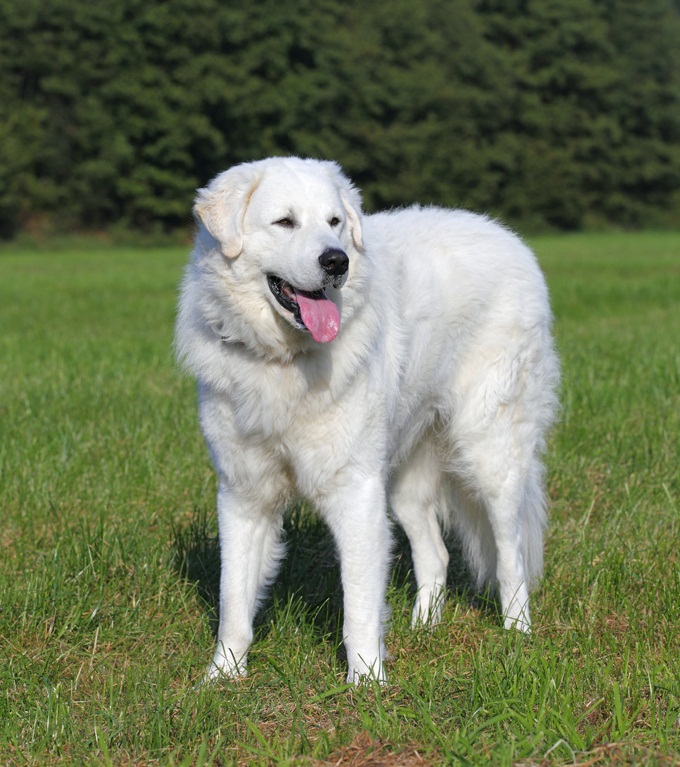
Dr. James Watuwa Last updated: 27th November 2023The Kuvasz (pronunciation: KOO-vahss) is one of the oldest breeds of livestock dogs from Hungary. It is a fearless guardian that comes with a large, sturdy body, proportionate head, almond-shaped eyes, V-shaped ears with slightly rounded tips, large, black nose, muscular neck, straight, well-muscled legs, powerful thighs, and a tail of natural length carried low. Its appearance is quite similar to the Great Pyrenees, but the latter’s coat can be slightly denser than that of Kuvasz.
Kuvasz Pictures
-

- Hungarian Kuvasz
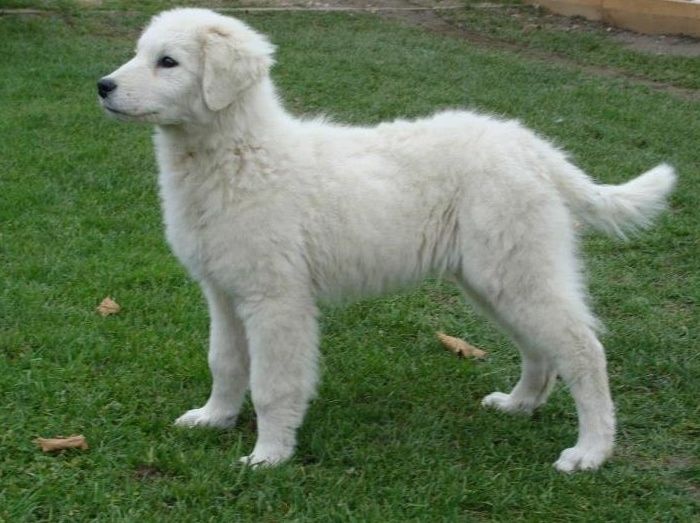
-

- Kuvasz Images
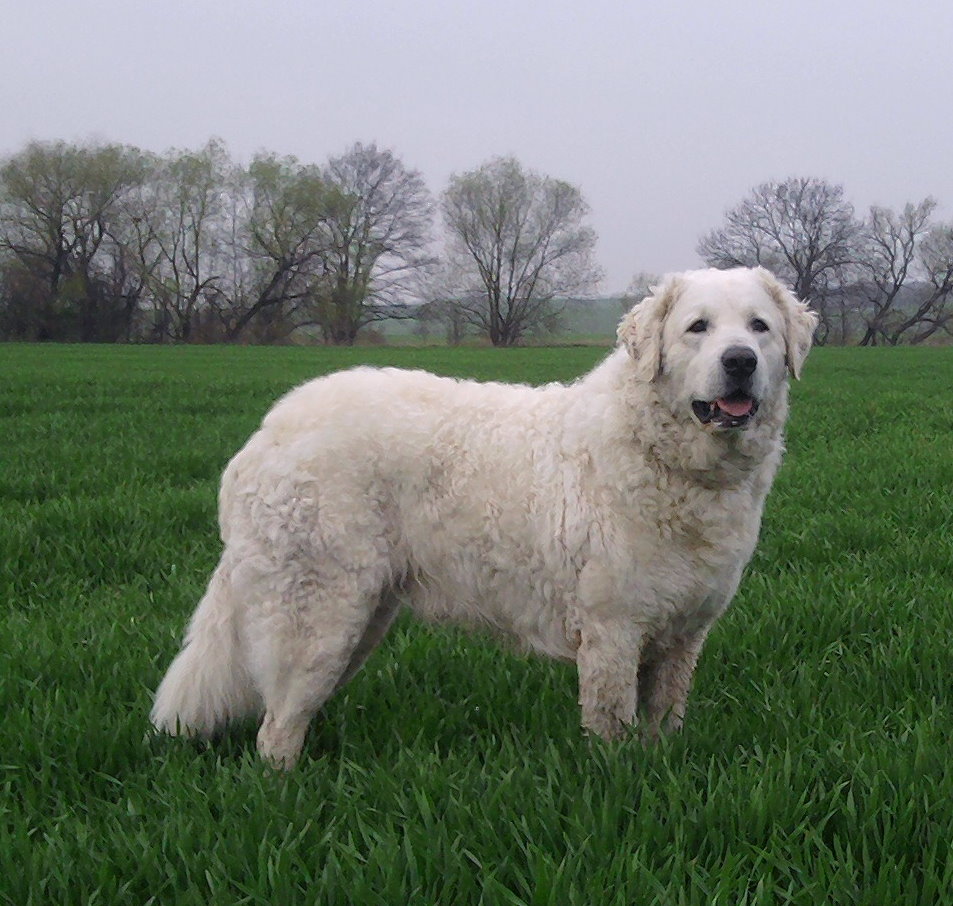
-

- Kuvasz Photos
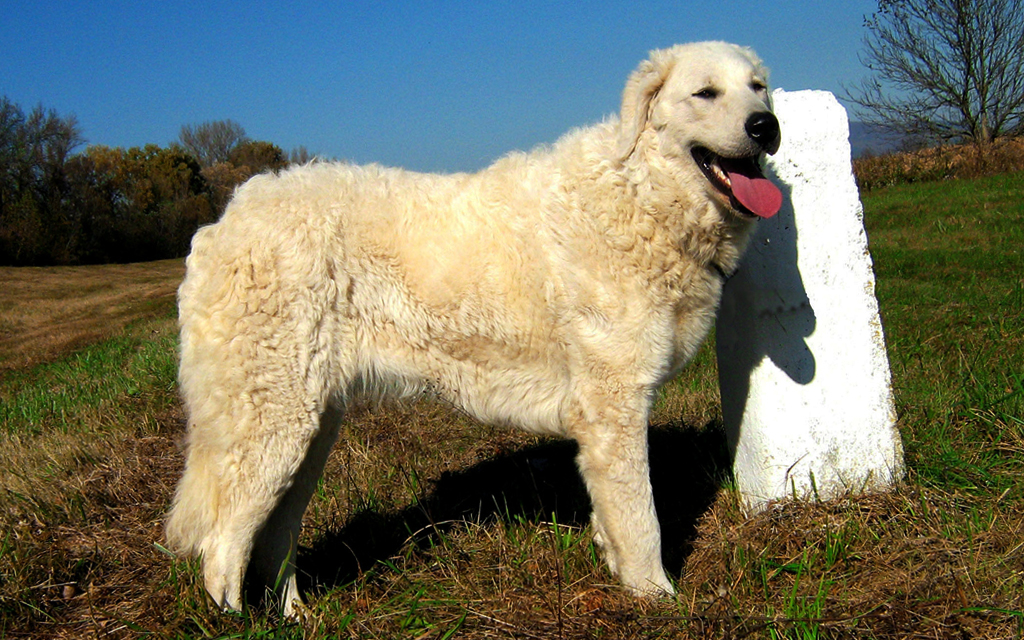
-

- Kuvasz Pictures
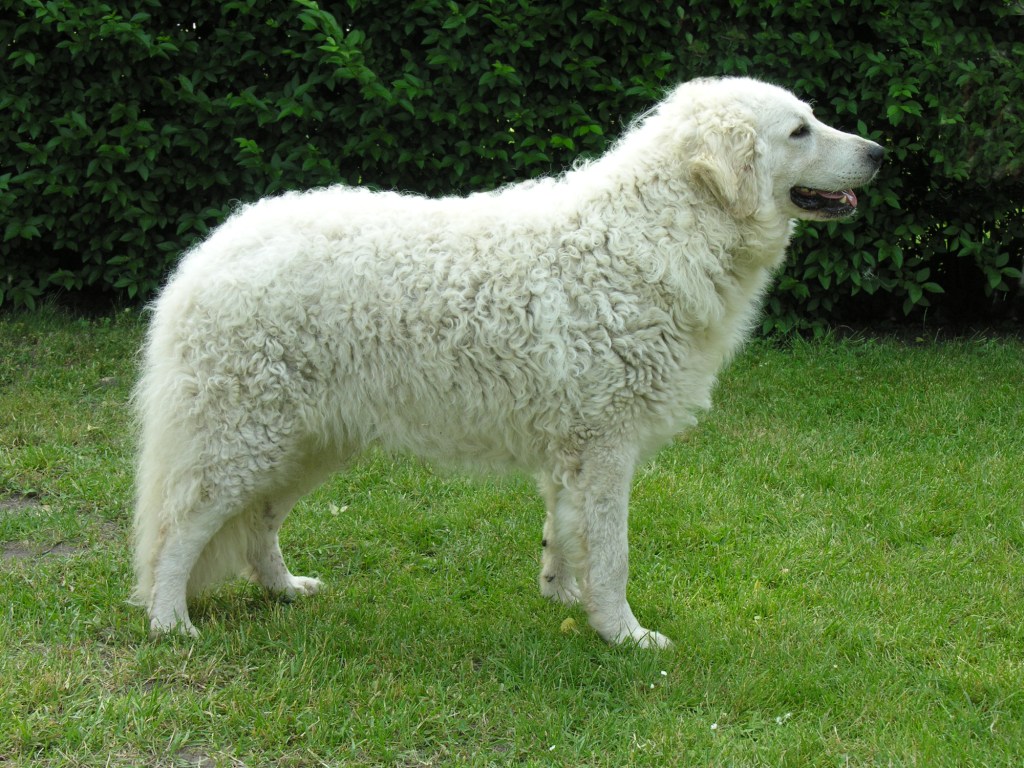
-
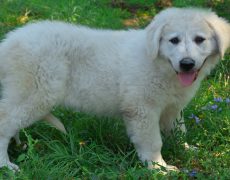
- Kuvasz Puppies

-

- Kuvasz Puppy

-

- Kuvasz
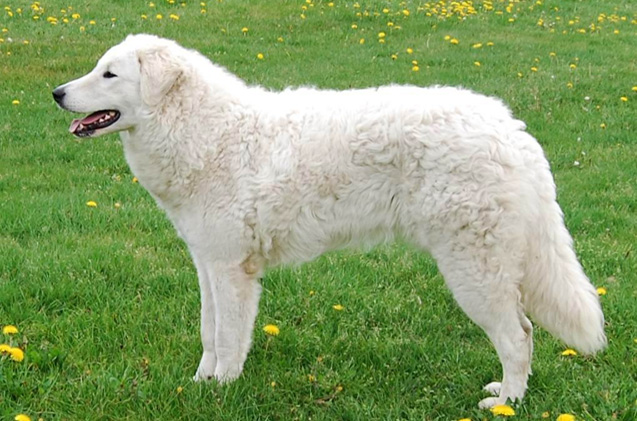
-

- Pictures of Kuvasz Dogs
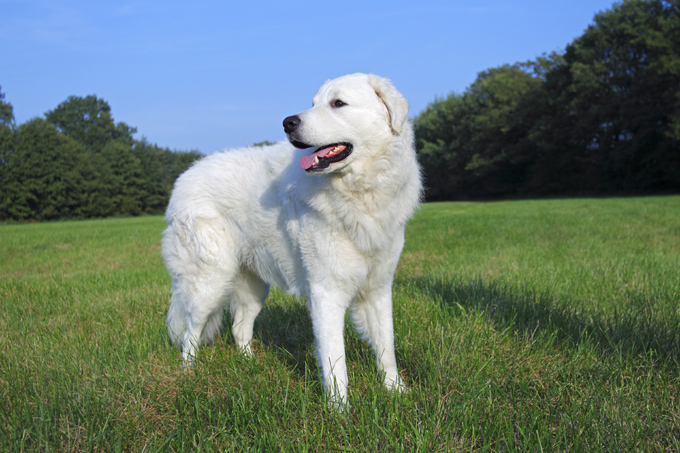
-

- The Kuvasz
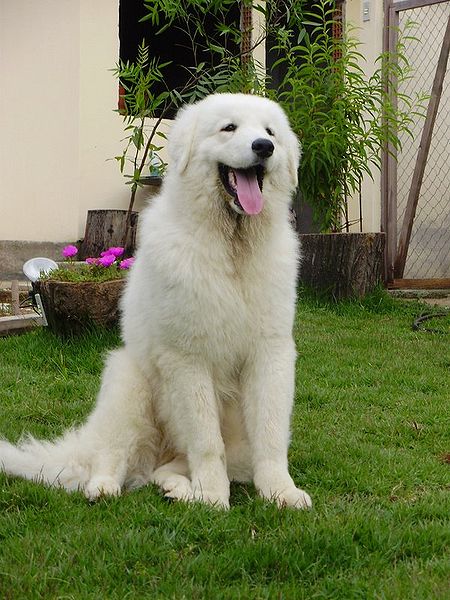
-

- Kuvasz Dog
Quick Information
| Other Names | Kuvaszok (plural), Hungarian Kuvasz |
| Coat | Double coat, straight/wavy, medium coarse guard hairs, soft, fine undercoat |
| Color | White, black or slate gray pigmentation may occur |
| Breed Type | Purebred |
| Category | Sheepdog, Working Dog, Livestock Guardian Dog, Pastoral, Mountain Dog, Molosser |
| Lifespan | 10-12 years |
| Weight | Female: 70-90 lbs Male: 100-115 lbs |
| Size | Large |
| Height | Female: 26-28 in Male: 28-30 in |
| Shedding | Seasonal |
| Temperament | Bold, protective, loyal, independent |
| Hypoallergenic | No |
| Litter Size | 6-8 puppies |
| Good with Children | Requires supervision |
| Barking | Vocal when required |
| Country Originated in | Hungary |
| Competitive Registration/ Qualification Information | ACA, ACR, AKC, ANKC, APRI, AKA, CKC, DRA, NAPR, KCA, FCI, NKC, UKC |
Video: Kuvasz Puppies Playing with Toys
Mixes
- Kuvasz X Poodle Mix
- Kuvasz X Labrador Retriever Mix
- Kuvasz X Border Collie Mix
- Kuvasz X Great Pyrenees Mix
- Kuvasz X Golden Retriever Mix
- Kuvasz X German Shepherd Mix
History
The Kuvasz is believed to have brought by the Magyar tribes who invaded and conquered Hungary in 896 AD. In the 1970s, the fossilized remains of a Kuvasz-type dog were unearthed near Keszthely.
After the Magyar people settled in the Carpathian Basin, they focused on devoting resources towards agriculture and animal husbandry. While the Komondor was mainly used at lower altitudes with a dry climate, the Kuvasz served as a working dog in the wetlands at higher mountains. During the 1400s, these dogs were highly regarded for their guarding abilities, particularly by King Matthias Corvinus. He gave Kuvasz puppies as royal gifts to the visiting dignitaries.
During the Second World War, most of the Kuvasz dogs in the country were searched for and killed by the Soviet and German soldiers, as the dogs were known to protect their families fiercely. Also, some German officers took these dogs with them. Luckily, it was revealed that around thirty Kuvasz dogs had survived. Since then, the efforts of many dog fanciers and dedicated breeders have caused an increase in Kuvasz population in Hungary.
Temperament and Behavior
A sensitive dog of courage, determination, and curiosity, the Kuvasz is typically gentle and patient with its people. It is an excellent guardian and will always be ready to protect its loved ones, especially the children. Being an intelligent dog, it can act on its own initiative at the correct moment without instruction.
Although it can be initially suspicious in making friends, it politely greets and accepts strangers once it gets used to them. Owing to its stamina and energy, it can cover and work in rough terrain for a long time. Its keen sense of smell also makes it useful for tracking and hunting game.
Care
Exercise
The Kuvasz is an active dog that needs a fair amount of regular exercise and access to a fenced yard where it can run and play once it is physically mature. Also, take it out for long walks because without enough activity it can become aggressive or destructive. Make sure that you do not push your dog to over-exercise or excessively jump up or down until it is two years of age because too much exercise can cause joint problems in young Kuvasz dogs.
Grooming
Brush its coat twice a week using a slicker brush, pin brush, or grooming rake to prevent its long hairs from getting matted. Since it has a dirt-repellent coat, it does not need frequent bathing. Primary care like trimming its fur between the toes, cutting toenails, and brushing its teeth are also required.
Health Problems
The Kuvasz may be affected by some serious health conditions like hip dysplasia, osteochondritis dissecans (OCD), bloating, and von Willebrand’s disease.
Training
Since the Kuvasz can be fiercely independent by nature, it is difficult to train even for an experienced owner and requires plenty of time, consistency, and patience.
Socialization
Because of its overprotective disposition, it is essential that you start socializing it at a young age. To get your Kuvasz used to people and other dogs, you need to go out for a walk with it while maintaining calm-assertive energy. The dog will react to both your and other’s energy, so you need to ensure that it is conveying a sense of calmness and safety. You may also seek advice from a professional trainer.
Obedience
It is necessary when you have a robust and large guard dog like Kuvasz. For successful training, teach your puppy basic commands like come, sit, stop, down, and leave it on a regular basis. Since it will see training as a game, keep it stimulated by altering what it is learning. Practice the learning sessions in different places such as the hall, living room, kitchen, or garden.
Feeding
Being a moderately lively breed, it needs a protein-rich diet to satisfy its energy requirements. Give your Kuvasz three to four cups of quality dog food on a regular basis.
Interesting Facts
- The name “Kuvasz” was derived from the Turkish word “Kawasz” (meaning armed guard of kings) and the Arabic word “Kawwasz” (meaning archer).