
 Macy Gen Last updated: 18th October 2022
Karakachan
By
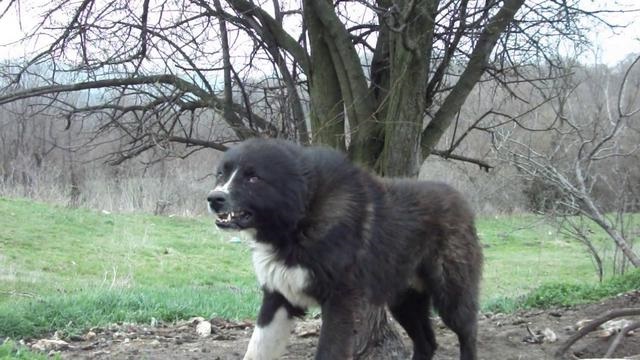
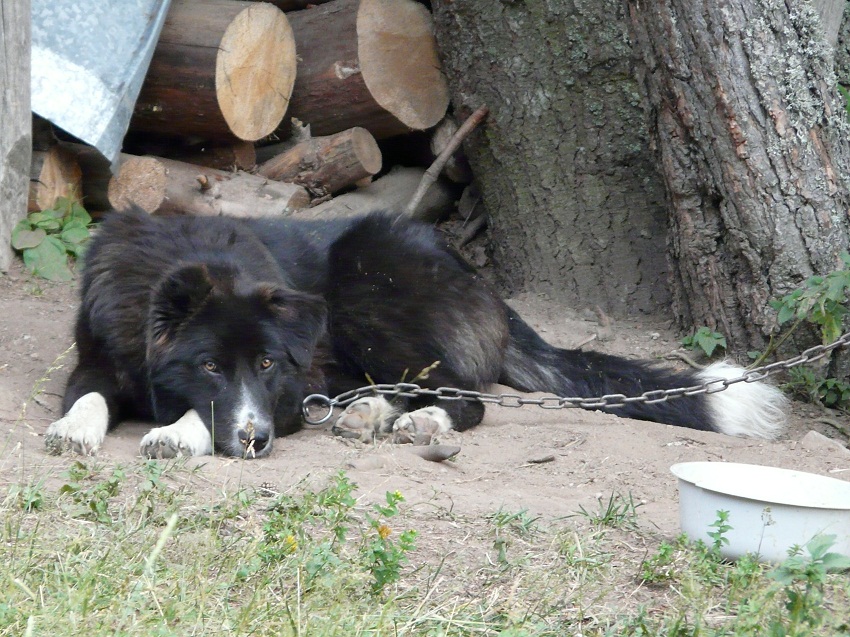
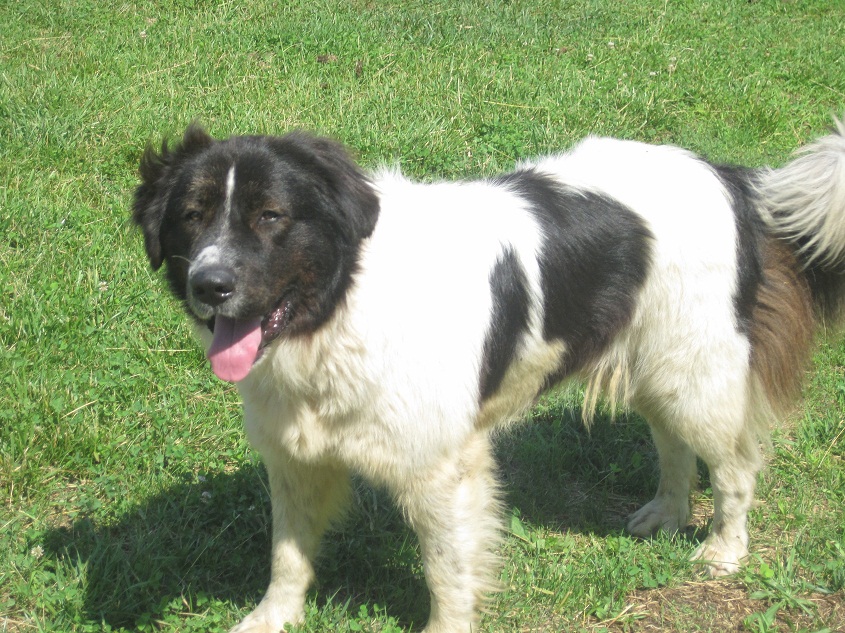
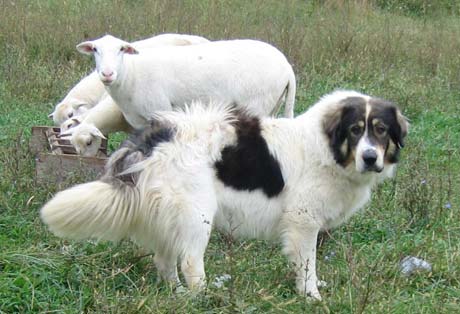
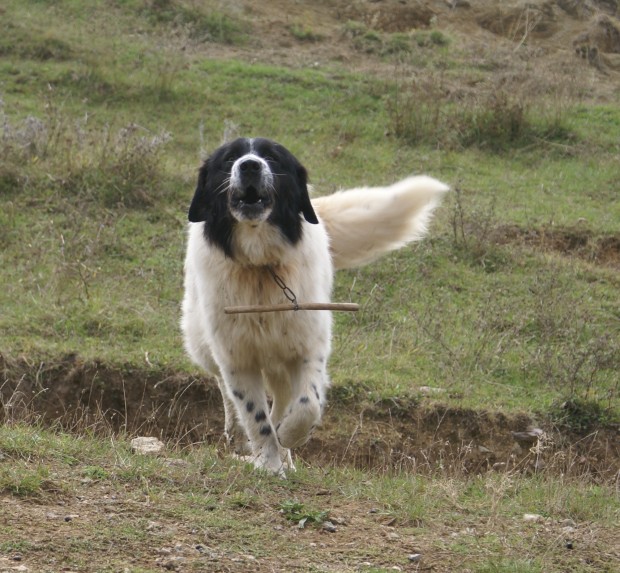
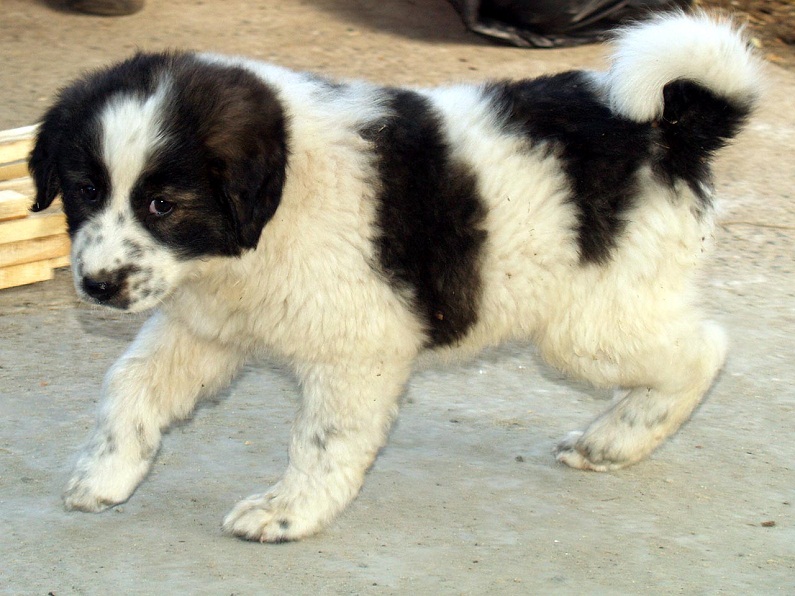
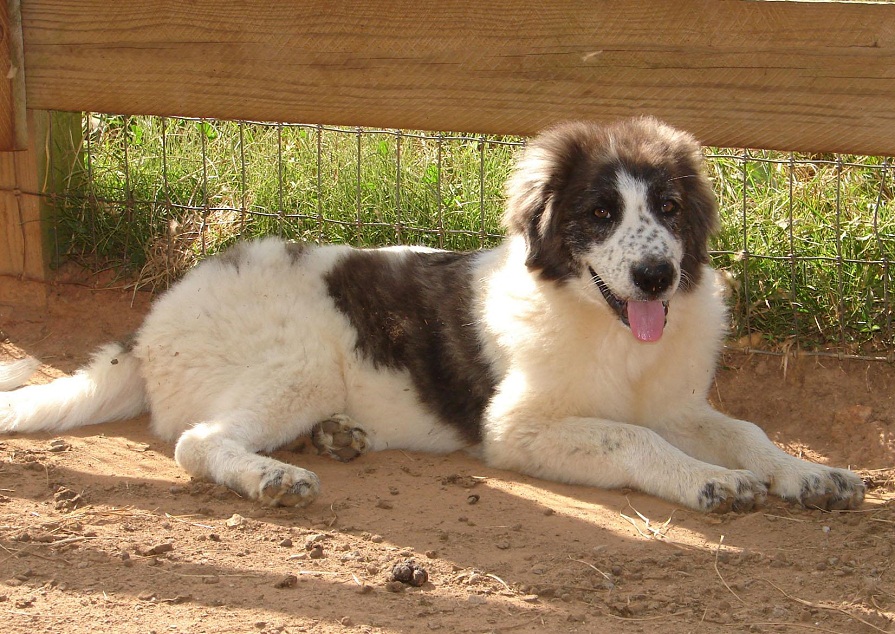
Macy Gen Last updated: 18th October 2022The Karakachan originated in Bulgaria as a mountain dog mostly used for safeguarding the livestock from their predators. These dogs having a large and massive stature are characterized by a well-muscled body, deep chest, V-shaped ears, small, deep eyes and a broad muzzle. This loyal breed is a master’s pride as it goes on to protect his property with all its might.
Karakachan Pictures
-

- Karakachan Bear Dog
-

- Karakachan Dog Images
-

- Karakachan Dog Pictures
-

- Karakachan Dog

-

- Karakachan Dogs Pictures

-

- Karakachan Dogs

-

- Karakachan Images
-

- Karakachan Photos
-

- Karakachan Pictures

-

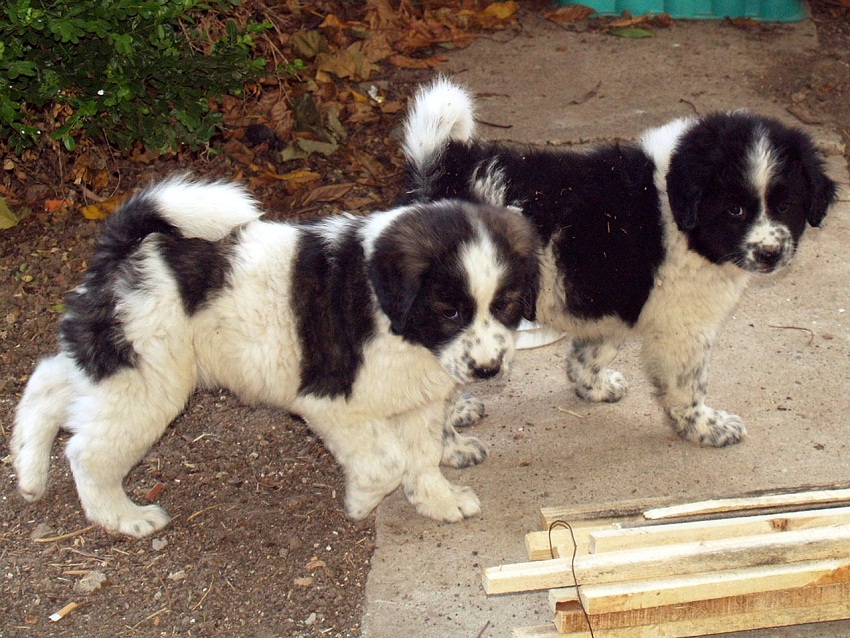
- Karakachan Puppies
-

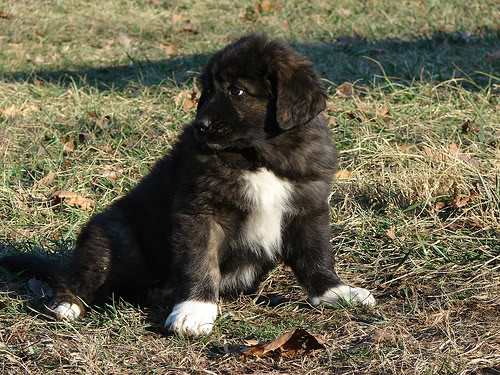
- Karakachan Puppy Images
-

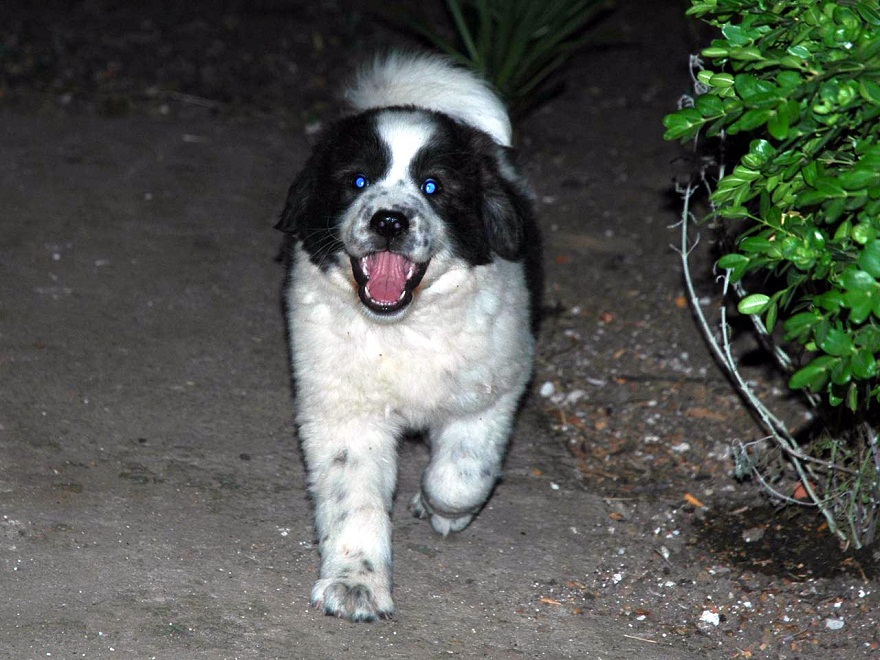
- Karakachan Puppy Pictures
-

- Karakachan Puppy
-

- Karakachan
Quick Information
| Other Names | Bulgarian Shepherd, Thracian Mollos, Karakachan Shepherd Dog, |
| Coat | Medium to Long, Straight, Stiff |
| Color | White with brown or black spots, on face and tip of the tail; completely black or white (not purebred) |
| Breed Type | Purebred |
| Group (of Breed) | Mountain Dog, Livestock Guardian Dog |
| Lifespan | 12 to 14 years |
| Size | Big |
| Weight | 90 to 125 pounds |
| Height | 25 to 30 inches |
| Temperament | Intelligent, Loyal, Brave, Proud, Domineering |
| Good with Children | Yes (Especially children of their family) |
| Hypoallergenic | No |
| Barking | Emits a prominent bark and growl on seeing strangers |
| Shedding | Seasonal |
| Originated in | Bulgaria |
| Competitive Registration/ Qualification Information | BRFC (Bulgarian Republican Federation of Cynology), DRA (Dog Registry of America) |
Karakachan Puppy Video
History
Having derived its name from the Karkachans, the nomadic shepherds of the Balkan region, these dogs are said to be descendants of the canine breeds of Central Asia particularly Iran and Afghanistan. Being a part of the Molossoides group, they served as an excellent guard dog, not hesitating to the slightest bit while fighting bears and wolves. Breeders having more that 12,000 sheep owned approximately 100 dogs to protect them.
The Bulgarian army utilized them until the Second World War. However, after the nationalization of livestock in the year 1957, they lost their importance, eventually being killed.
Breed History
The standardization of the Karkachans was first proposed during the 70s by Todor Gajtandjiev, credited of researching on this breed. After having its official breed standard penned down in 1991, it got approval from the State Commission for Animal Breeds that is within the purview of the Ministry of Agriculture and Food of the Republic of Bulgaria. At present, it has been recognized by the Bulgarian Republican Federation of Cynology and the Dog Registry of America. However, the Bulgarian Shepherd Dog has not been registered under any of the international kennel clubs.
Temperament and Personality
These independent working dogs, are immensely loyal and devoted to their masters, trying their level best in protecting his household at any cost. They have a strong smelling and hearing instinct that is instrumental in making them ideal guard dogs. Though not aggressive while guarding their livestock, these territorial dogs display a highly reserved nature while confronting strangers. In fact, they let out a loud growl or barking if they spot any unfamiliar face nearing to the flock, even going to the extent of attacking or biting him on finding anything suspicious. This trait makes them highly suitable for owners having a farm or barn. Apart from their compatibility with children of the family with whom they are brought up, they will also be able to mingle with other smaller pets if socialized well.
When brought up as a pet, it is preferable to keep a close watch on them especially when an outsider is around to prevent any unpleasant incident.
Care
Exercise
Owing to its high activity levels, it needs sufficient amount of exercise on a daily basis. In fact, if not assigned the task of protecting the flocks, they are to be taken on long walks or even given certain kinds of jobs that might suit them well.
Grooming
The Karakachan’s long, thick coat is required to be brushed twice or thrice a week for proper maintenance. Its long hanging ears need to be cleaned to prevent infection. Bathe your pet only when needed.
Health Problems
Studies have not been able to detect any health concerns of this dog until the present time.
Training
The Karakachan needs a firm, patient and tactful trainer who can channelize its intelligence and independent nature in a positive way. They will not do well with any harsh treatment but respond brilliantly if a positive reinforcement technique through rewards and incentives is incorporated. It is important to acquaint them with the command “no” which will help to prevent any undesired incident especially when they are on guard. Because of their territorial nature leash train the Karakachan puppies when they are about 15 weeks old to pull them out of places they are unwilling to leave.
Obedience and socialization training when imparted since childhood will help them develop a pleasing personality.
Feeding
Feed these large-sized dogs with about four to five cups of dry dog food per day. Moreover, their diet should comprise of a balanced proportion of carbohydrates, proteins, and other nutrients to help them maintain good physical health.
Interesting Facts
- The word Karakachan has been obtained from the Turkish words “Kara” and “kacan” meaning “the black one that got way”.
- In 2010, the prime minister of Bulgaria, Boyko Borisov gifted Russian Prime Minister Vladimir Putin a Karakachan named Buffy.
- American President George W. Bush was presented a Karakachan shepherd on his visit to Bulgaria in 2003.