
 Shiloh Nevada Last updated: 18th October 2022
Japillon
By
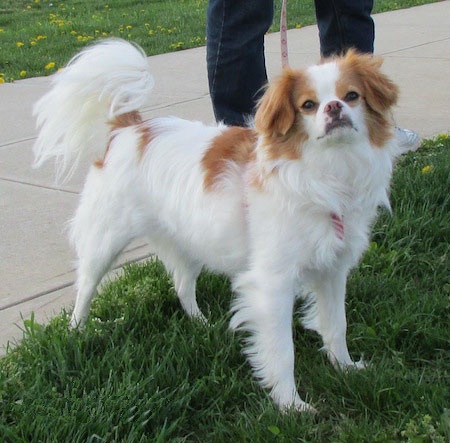
Shiloh Nevada Last updated: 18th October 2022The Japillon is a crossed breed between the Japanese Chin and the Papillon. With their roundish face, a pair of round, black eyes, hanging ears, dark nose, and a fluffy tail, these long-haired little dogs make lovely pets.
Japillon Pictures
-

- Images of Japillon
-

- Japillon Images

-

- Japillon Picture

-

- Japillon Pictures

-

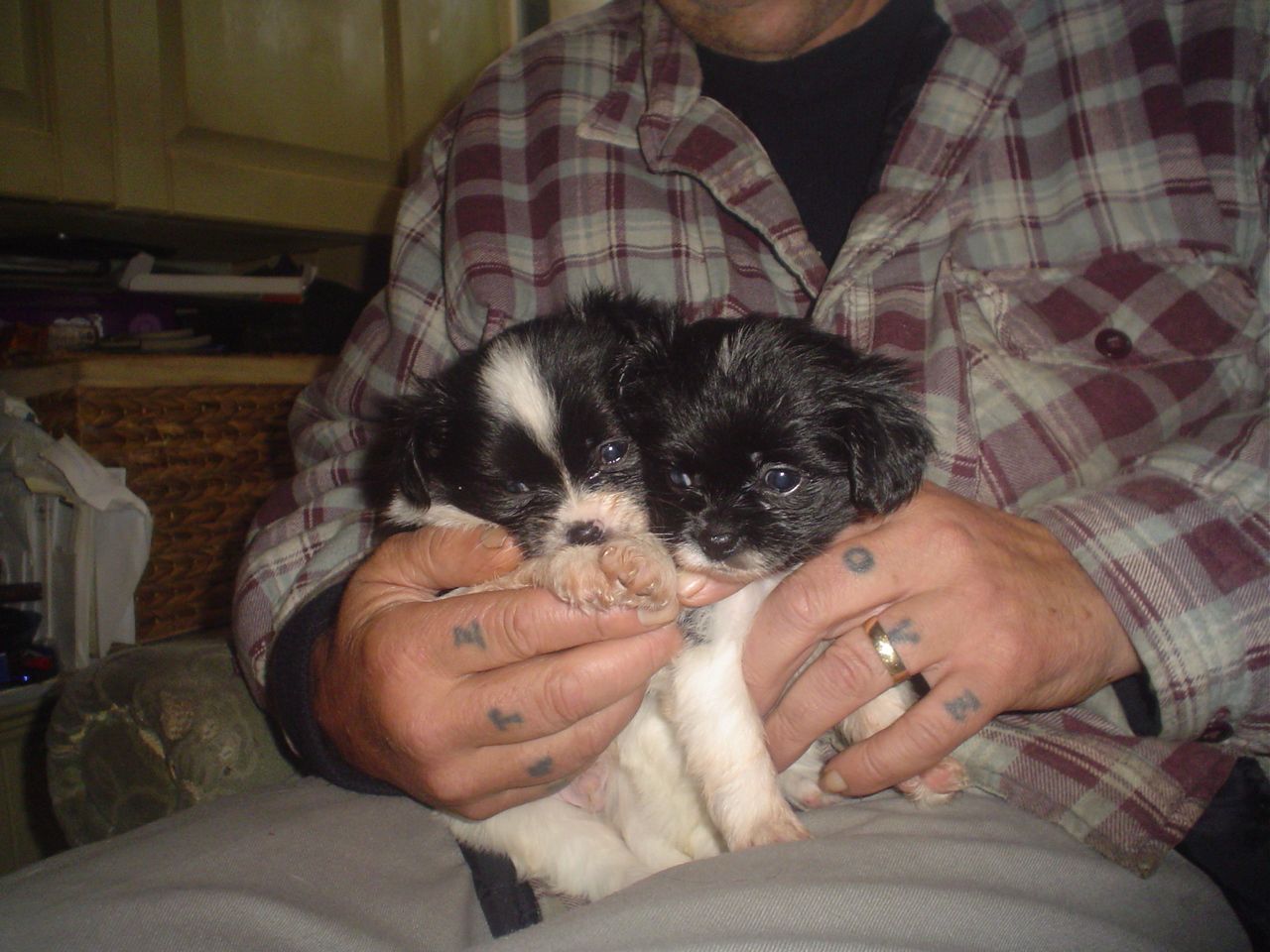
- Japillon Puppies
Quick Facts
| Also known as | Japillion, Papillon Japanese Chin Mix |
| Coat | Long, straight, silky |
| Colors | Brown, black, tan, silver, combined with white |
| Type | Companion dog, Watchdog |
| Group (of Breed) | Crossbreed |
| Life Span/Expectancy | 12 to 16 years |
| Height (size) | Small; 11 inches (max.) |
| Weight | 7-20 pounds (full grown) |
| Personality Traits | Loving, intelligent, alert, friendly |
| Good with Children | Yes (not comfortable with rough kids) |
| Good with Pets | Yes |
| Barking | Moderate |
| Hypoallergenic | No |
| Climate Compatibility | Good for every climate |
| Competitive Registration/ Qualification Information | DBR, IDCR, ACHC, DDKC, DRA |
VVideo: Japillon Puppy Playing with Maltese
Temperament and Behavior
With its sweet disposition and willingness to please, the Japillon makes a good companion dog accompanying you all day for your attention. It is friendly with its family members including kids as well as all kinds of pets. However, if left unsupervised with boisterous children, the fragile animal might easily be hurt.
With their possessive attitude, these sweet-natured canines would serve as a great guard dog. In fact, once they see a stranger approaching, they would not directly attack him but alert his family by continuing to bark from a safe corner until asked to stop. These energetic and intelligent canids are agile, knowing about ways to entertain themselves without getting bored.
Care
Exercise
The ideal home for the japillon is a place where it can run and play freely. On a daily basis, take them out for a walk with you. This is a social breed, and taking them to the dog park to mix with other breeds will have a positive impact on its mental health.
Grooming
Having a long, silky coat, it is important to brush your dog every day, or once in two days, to keep the hair healthy and matt-free.
Health Problems
Like most other cross breeds, they are healthy in general.
Training
With their eagerness to see you happy, the japillon puppies are easily trainable.
Trick: Have someone hold a large ring/hoop, and lure your dog through it. Begin from the ground level, and raise it up by and by. But do not raise the hoop in front of your pet. Give the lure as a treat every time it succeeds.
Barking: It is necessary to let your dog learn the ‘quiet’ command to refrain from barking. For that, begin with teaching the ‘speak’ command. Train this in a calm environment devoid of possible distractions.
Diet/Feeding
Schedule for regular meal sessions every day like other dogs in general.