

 Jags Goldie Last updated: 27th October 2022
Hokkaido Dog
By
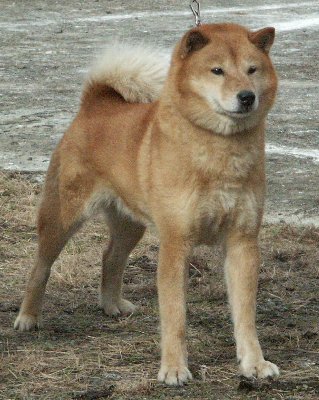
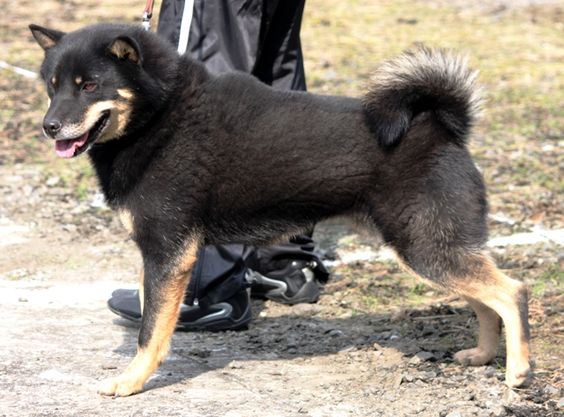
Jags Goldie Last updated: 27th October 2022The Hokkaido, also called the Hokkaido Ken or Hokkaido Ainu, is a breed of medium-sized dogs developed in its native land for its working ability and hunting skills. It is sturdily built with a broad, slightly flat forehead, wedge-shaped muzzle, small eyes, triangular, erect ears, powerful and muscular neck, high-set withers, moderately deep chest, somewhat sloping shoulders, and a thick tail curled over its back.
Hokkaido Dog Pictures
-

- Ainu Dog

-

- Hokkaido Dog Puppies
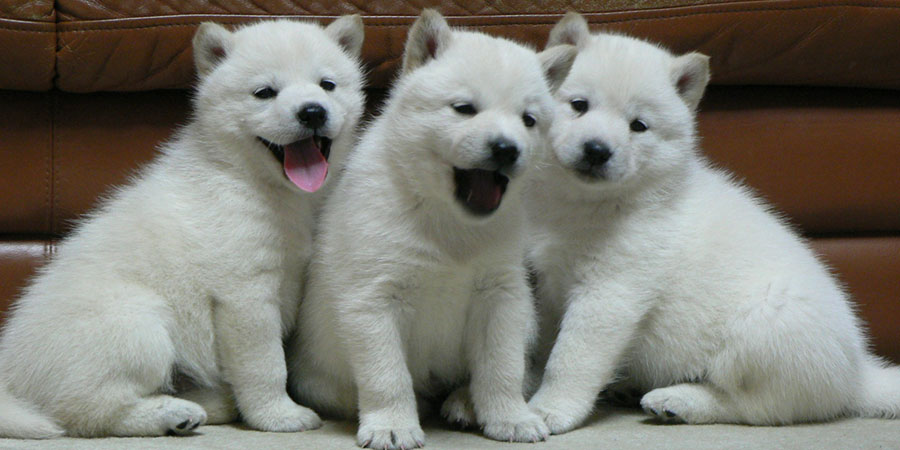
-

- Hokkaido Dog Puppy
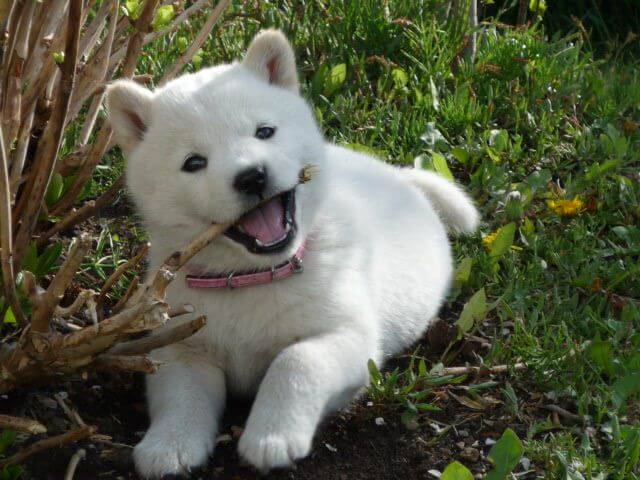
-

- Hokkaido Dog White

-

- Hokkaido Dog

-

- Hokkaido Dogs
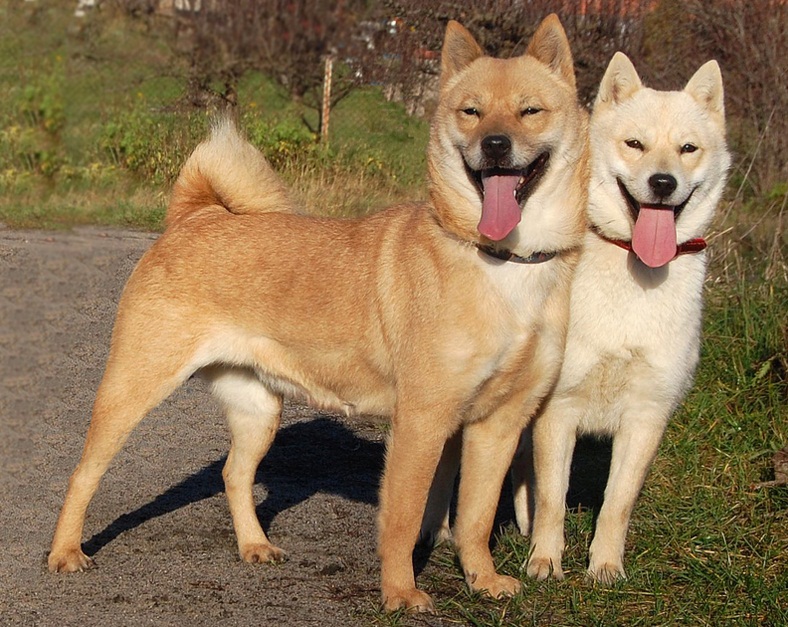
-

- Hokkaido Inu

-
- Hokkaido Ken
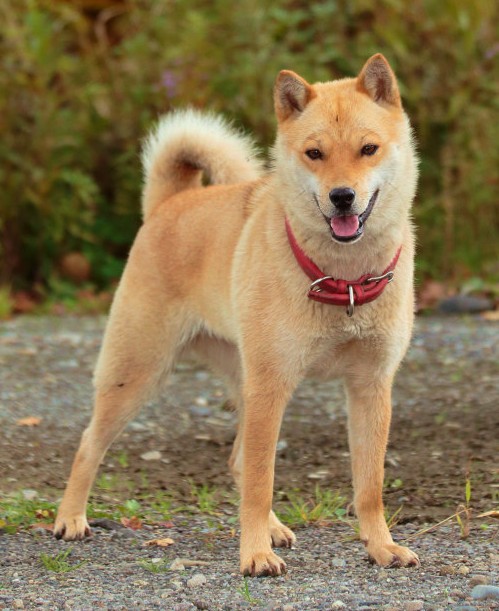
-

- Images of Hokkaido Dog
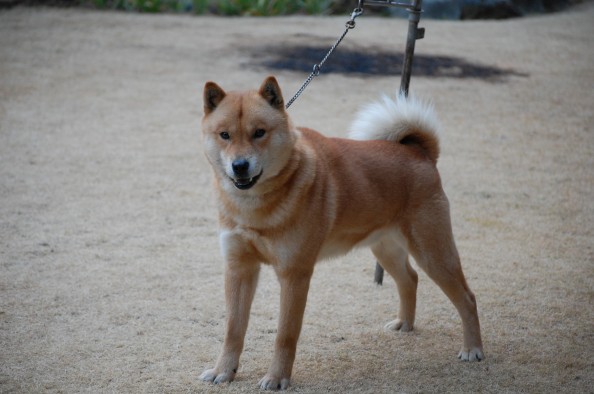
-

- Japanese Hokkaido Dog
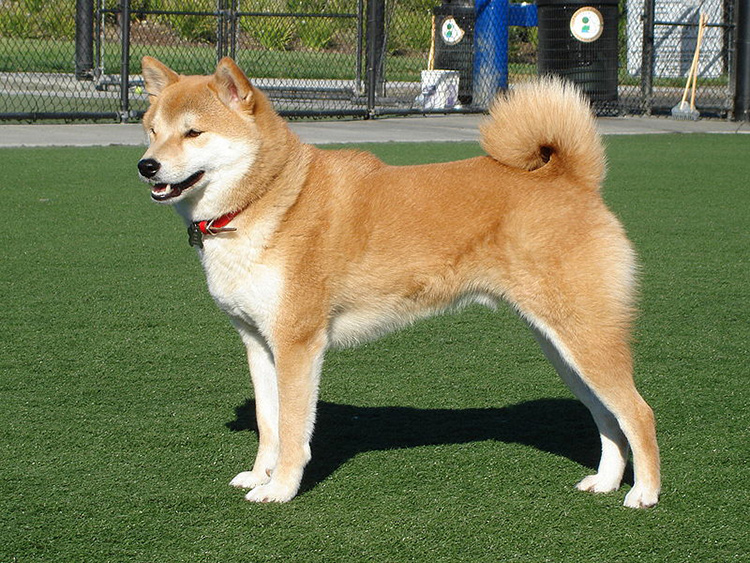
-

- Photos of Hokkaido Dog
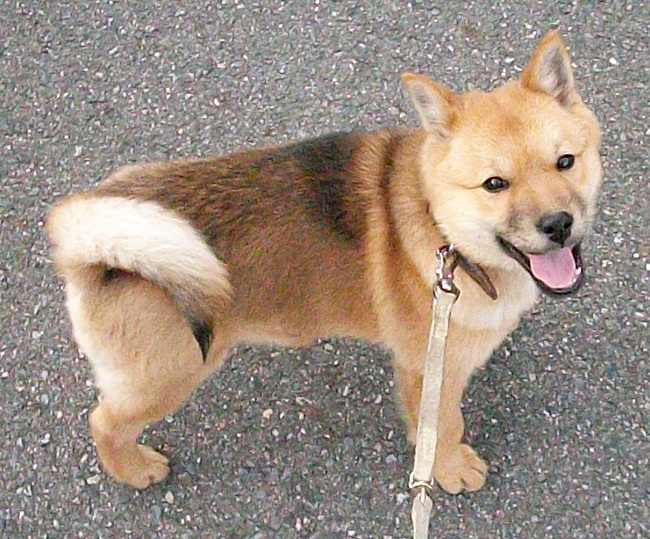
-

- Pictures of Hokkaido Dog

-

- Ainu-Ken
-

- Hokkaido Dog Black
Quick Information
| Other Names | Ainu dog, Ainu-ken, Do-ken, Seta |
| Coat | Harsh, straight outer coat, soft, dense undercoat |
| Color | Red, white, brindle, black, sesame, wolf-gray, black and tan |
| Breed Type | Purebred |
| Category | Northern, Working, Spitz-type, Mountain Dog |
| Lifespan | 11-13 years |
| Weight | 45-66 lbs |
| Size | Medium |
| Height | Females: 18-19 in Males: 19-21 in |
| Shedding | Moderate, seasonal |
| Size of Litter | Approximately, 7 puppies |
| Temperament | Intelligent, devoted, brave, docile, alert |
| Hypoallergenic | No |
| Good with Children | Yes |
| Barking | Occasional |
| Country Originated in | Japan |
| Competitive Registration/ Qualification Information | ACR, ACA, APRI, DRA, CKC, NKC, FCI |
Hokkaido Puppy Video
History
The Hokkaido dog, possibly the oldest Japanese breed, is thought to have evolved from the medium-sized hunting dogs Matagi-ken, which accompanied the Ainu people from Honshu to Hokkaido about 3,000 years ago. Later, the Ainu people were isolated in Hokkaido because of a surge in the Japanese population, and thus the Ainu dog had little influence from other breeds.
The breed was named the Hokkaido dog by an English zoologist Thomas Blankiston in 1869. In 1902, these dogs were part of a search operation for survivors of an expedition caught in heavy snow in the Hakkoda Mountains. In 1937, the Ministry of Education in Japan declared this breed as a rare species that is protected by law.
Temperament and Behavior
Although a determined hunter, defender, and guard dog, it has all the qualities of a well-behaved family companion. Despite its natural prey drive, the Hokkaido is known to get along well with other small animals and children if properly socialized at a young age. As a family pet, it is obedient, gentle, and home-loving.
In the hunting field, it shows great strength, stamina, and accurate judgment based on its inborn sense of smell and direction. It uses specialized sighting signals, including long or short barks and howls. Being able to endure cold weather, this hardy dog is strong enough to fight against wild boars and the Hokkaido brown bears.
Care
Exercise
Being a high energy dog, the Hokkaido needs a lot of regular exercises. It loves going for long walks, making a great hiking, running, and playing partner for an active owner. It excels at dog sports like agility, weight pull, rally, flyball, dock diving, and lure coursing.
Grooming
Since it has a dense double coat, it requires frequent brushing for the removal of loose or dead hair. Make sure that you use a pin brush to brush its undercoat thoroughly. The rest is primary care involving daily brushing its teeth and trimming its nails.
Health Problems
The Hokkaido Ainu is susceptible to hip dysplasia, collie eye anomaly, luxating patella, seizures, anxiety, heart murmurs, pica, and psychogenic polydipsia.
Training
Owing to its smart, biddable, and true personality, the Ainu dog can be quickly trained.
Socialization
Introducing your Hokkaido puppy with other friendly pets in the neighborhood early makes good sense. Setting up play-dates with family members, your friends, and their children is a great way to start, but you may also take your dog to the park where it can explore and play with other dogs in a safe environment.
Obedience
Whether it plays the role of a family pet or a fearless hunter, you should teach your Ainu dog to obey commands. It should know to respond to some basic commands like “sit,” “come,” “stay,” “leave it,” “down,” and “quiet.”
Feeding
As an active working breed, the Hokkaido needs a quality dry food with about 30 percent protein content and approximately 20 percent fat content.
Interesting Facts
- In Japan, the Hokkaido is named as a Natural Monument.
- In 2007, a white Hokkaido dog was featured as the Otōsan (Father) in the commercials of the Japanese telecommunication company SoftBank Group.




Our beloved Akita had to be put down, he was the 3rd we have owned so we know the breed better than most.