
 Shiloh Nevada Last updated: 18th October 2022
Gordon Setter
By
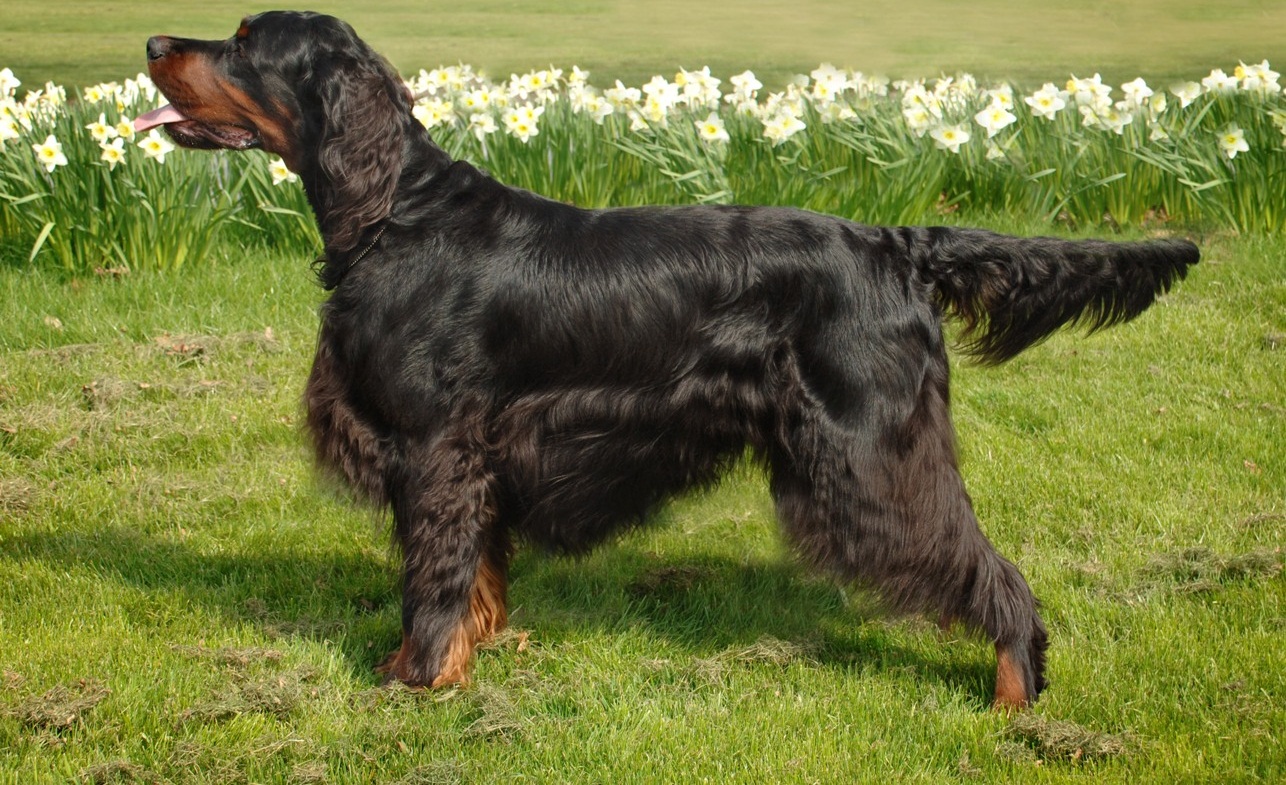
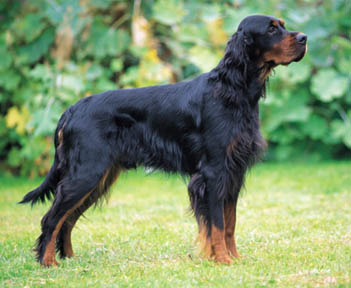
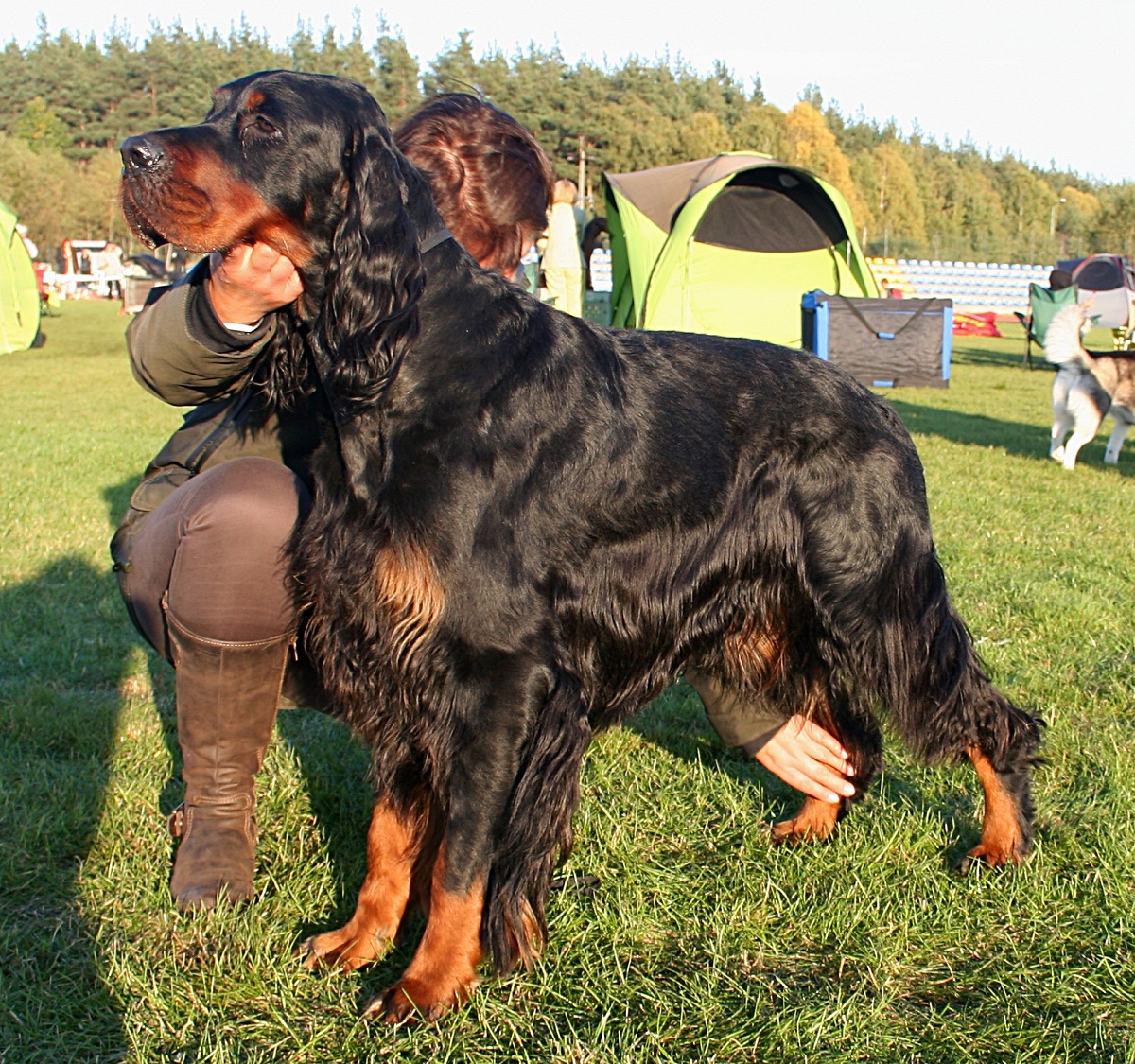
Shiloh Nevada Last updated: 18th October 2022The member of the setter family of dogs, Gordon Setter, with a coal-black coat with distinguishable tan/mahogany marks on the paws, legs, over-eyes, muzzle, vents, throat and chest, adorned with straight to wavy hair, were bred for the purpose of hunting gamebirds. This aggressive but dedicated breed has been described by the AKC as “intelligent, noble, and dignified”.
Gordon Setter Pictures
-

- Gordon Setter Dog
-

- Gordon Setter Images

-

- Gordon Setter Lab Mix
-

- Gordon Setter Photos

-

- Gordon Setter Pictures
-

- Gordon Setter Puppies

-

- Gordon Setter Puppy Images

-

- Gordon Setter Puppy Photos

-

- Gordon Setter Puppy Pictures
-

- Gordon Setter Puppy

-

- Gordon Setter
Quick Information
| Also Called | Gordon Castle Setters |
| Nickname | ‘Black and Tan’ |
| Coat | Silky, dense, long |
| Color | Black and tan, red |
| Breed Type | Purebred |
| Group (of Breed) | Sporting |
| Lifespan | 10 to 12 years |
| Weight/Size | Male: 55 to 80 pounds; Female: 45 to 70 pounds |
| Height | Male: 24 to 27 inches; Female: 23 to 26 inches |
| Shedding | Moderate |
| Temperament | Loyal, protective, aggressive |
| Country of Origin | Scotland |
| Hypoallergenic | No |
| Barking | Rare |
| Litter Size | 6 to 8 puppies |
| Good with Children | Yes |
| Competitive Registration | CKC, FCI, AKC, UKC, KCGB, CKC, ANKC, NKC, NZKC, APRI, ACR, DRA, NAPR, ACA |
Gordon Setter Video
Temperament and Behavior
The setter’s temperament has been praised by the AKC, describing it as “alert, interested, and confident. He is fearless and willing, intelligent, and capable. He is loyal and affectionate, and strong-minded enough to stand the rigors of training”, which describes it all. This sweet-tempered, devoted, cheerful, brave, obedient and affectionate breed would always try to please its family, good with pets and children, however, would stay away from strangers and would roam around the premises of its house, thus ‘looking after’ its family. Gordons are not fast by nature but have a lot of energy.
Care
Exercise
In order to keep away its normal restlessness, the gordons need good amount of brisk exercise daily, like long walks, jogging with the owner, playing inside a fenced area, contributing to its well being. To avoid any strain in the bones and joints, do not indulge it into any forced exercises like obedience jumps etc., before it is 2 years old.
Grooming
This average shedder needs little to medium attention for grooming including brushing the coat (with special care during shedding seasons), trimming the bottom foot-hair, clipping the nails, but not frequent bathing or dry shampooing, which is necessary only when they are unclean.
Health Problems
A generally healthy breed, the gordon setter would only have a chance to develop certain generic dog diseases, though not necessarily, especially hip dysplasia, also, bloating and eye diseases like cataracts and PRA.
Training
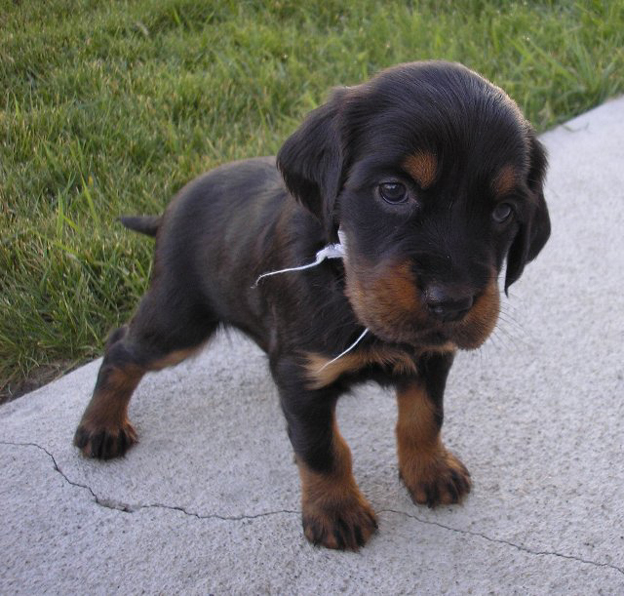
The gordon puppies sometimes get clumsy, for which reason it is wise to begin training at an early age, preventing possible negative behaviors, rather than fixing them when adult. Train them to take you as its ‘pack leader’ by leading them wherever you take it, but firmly, rather than being too meek, else the dog might become stubborn. Expose it to all pets and introduce it to people and children. The intelligent gordon is eager to learn, and hence, it is easy training them.
Feeding
Steaks like those of pork, mutton etc. is not good for this breed since the animal fat in the meat makes its diet worst possible. However, they need fat from proper sources (apt for them) like poultry and vegetables. If the coat becomes brittle, take it as a sign of its need of fat urgently. For a delicious but perfect diet for your gordon, steam the vegetables lightly until they get soft. Also, boil chicken and mix both in your pet’s dish during meal. For commercial foods, like dry foods, be sure you choose those that are rich in fibers and nutrients, and serve 2-3 cups daily, divided into 2 meals. But since they are prone to become overweight, keep an eye on what your dog eats.
Interesting Facts
- Although it is not very common, the red individuals of the breed are sometimes born to normal-colored parents, which is due to the result of dominance of a recessionary red gene.
- For showing purposes, those who predominantly have tan, red, or buff colors are not qualified.