

 Shiloh Nevada Last updated: 18th October 2022
Golden Labrador (Goldador)
By
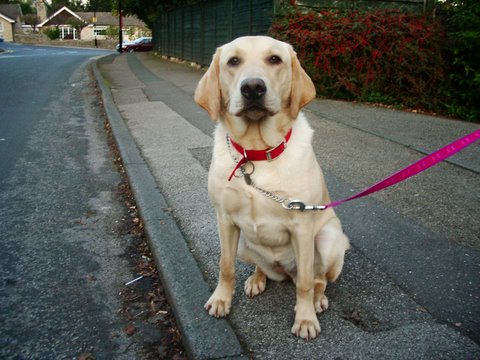
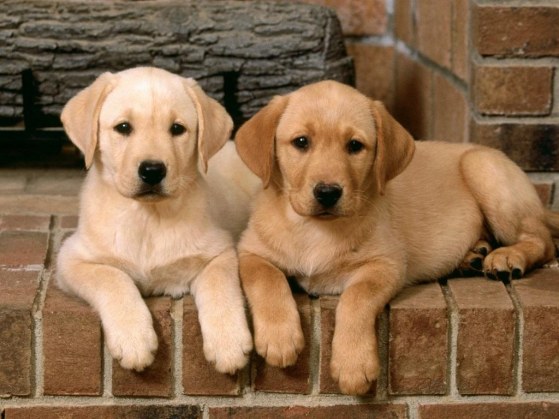
Shiloh Nevada Last updated: 18th October 2022A cross between the two of America’s most popular dog breeds, the Golden Retriever and the Labrador Retriever, the Golden Labrador was first developed a decade back with the aim to create a patient and sensible working dog. Reasonably enough, the new breed is growing up to a good police dog, and excelling gradually as search and rescue dogs as well. They also make good therapy and companion dogs, which add to their list of good calibers.
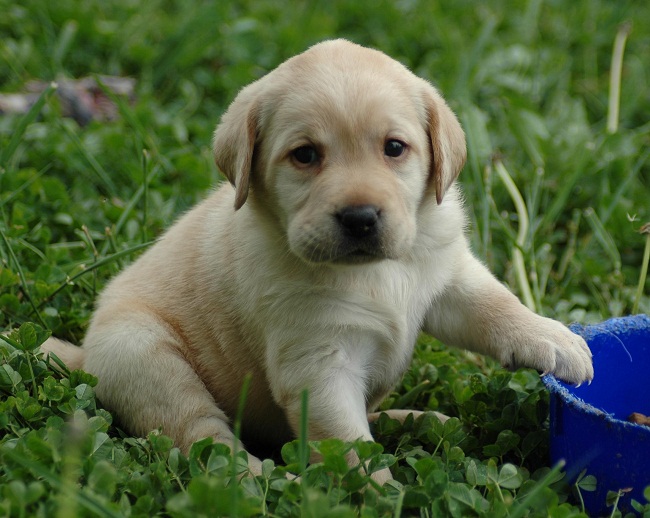
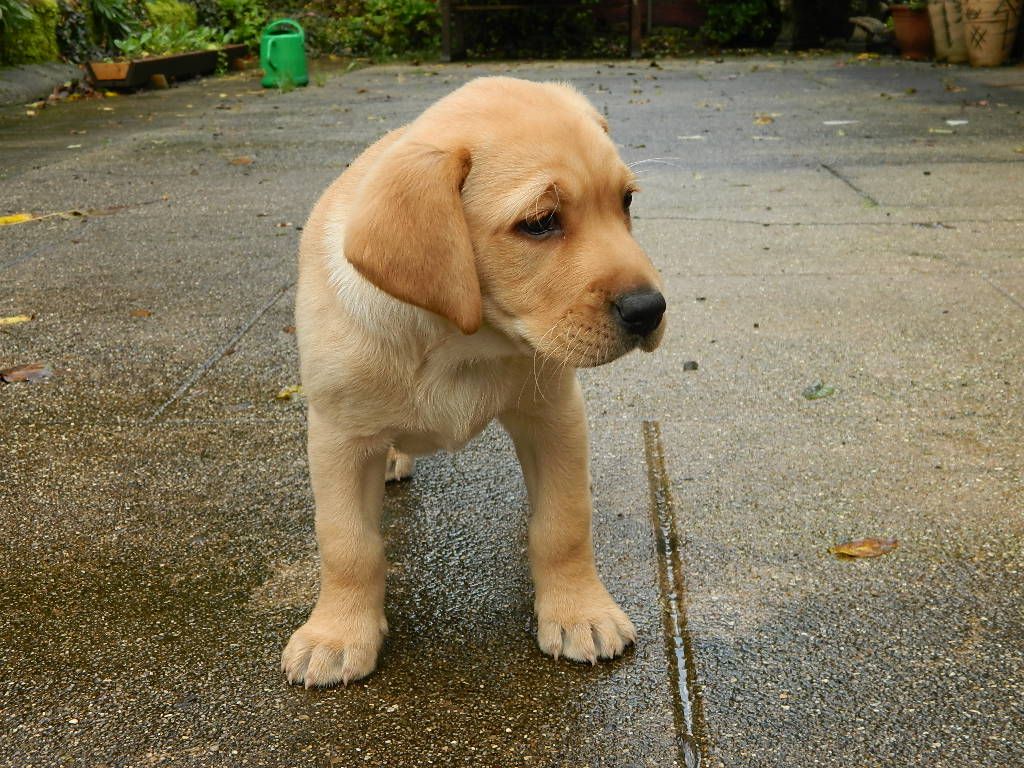
With not much difference from its parents in demeanor and characteristics, the GLs often have a flat, square face with brown, oval eyes, and the ears hanging down to their cheeks. Their dense coat is water-repellent.
Golden Labrador Pictures
-

- Goldador

-

- Golden Labrador Dog

-

- Golden Labrador Images

-

- Golden Labrador Photos
-

- Golden Labrador Puppies Pictures

-

- Golden Labrador Puppies
-

- Golden Labrador Puppy Pictures
-

- Golden Labrador Puppy
-

- Golden Labrador Retriever Puppy

-

- Golden Labrador Retriever
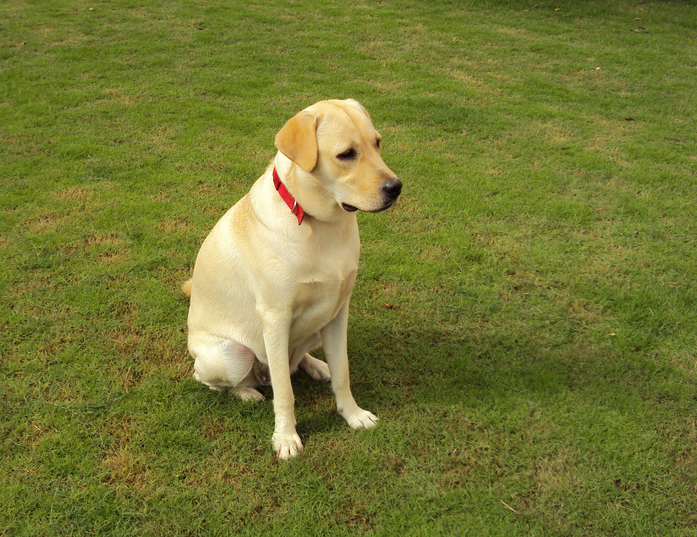
-

- Golden Labrador
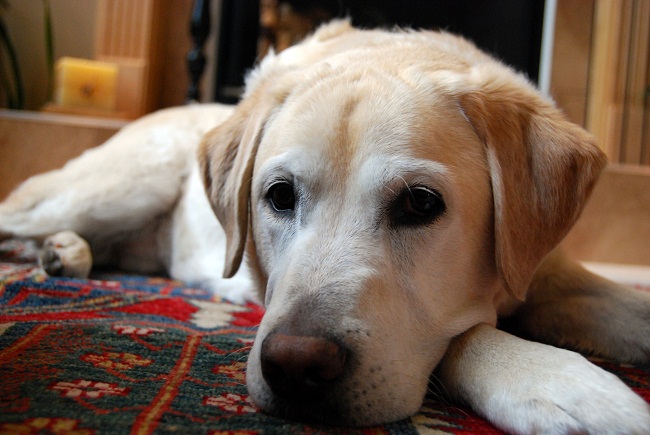
-

- Golden Retriever Labrador Mix

-

- Golden Labrador Female

-

- Golden Labrador Dog Pictures
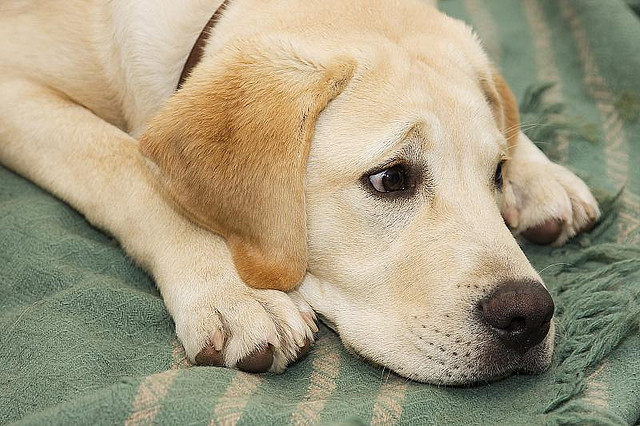
-

- Golden Labrador Pictures
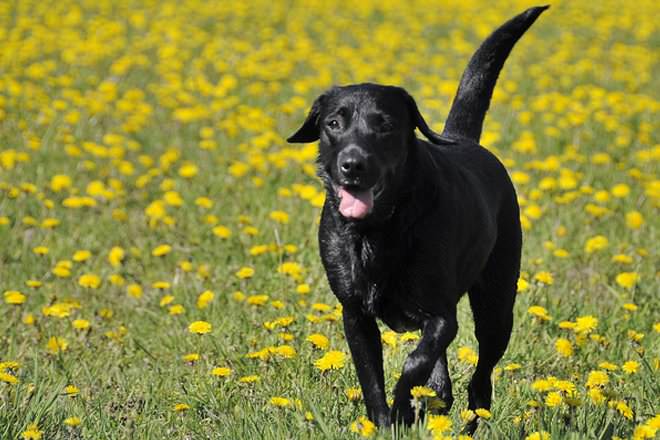
-

- Golden Labrador Puppy Images

Quick Description
| Also known as | Golden Lab, Golden Labrador Retriever, Goldador, Goldador Retriever |
| Coat | Dense, rough, medium, long, water-resistant |
| Colors | Golden, black, brown, white, yellow, cream |
| Type | Working dog, companion dog, therapy dog, police dog |
| Group (of Breed) | Crossbreed |
| Life Expectancy | 10 to 15 years |
| Weight | 55-80 pounds |
| Height (size) | Large; 24-28 inches |
| Temperament | Loving, intelligent, cheerful, loyal, playful, social |
| Good with Children | Yes |
| Good with Pets | Yes |
| Barking | Occasional |
| Country of Origin | USA |
| Competitive Registration | ACHC, DDKC, DRA, IDCR, DBR |
Golden Labrador Puppy Video
Temperament and Behavior
Though the alert Golden Labs make very good watchdogs, but because of their extremely sensitive and kind nature, they don’t make good guard dogs. They cherish the company of children and are quite comfortable with other animals and pets, especially if you have trained them to grow up together. These dogs are fond of people and love to be around them, and hence, it is tough for them to cope with solitude. They need the company of the owners, and in return, expect their care and attention.
It is the very trait of ‘independent thinking’ that has made the Goldador a successful guide dog. With all these graces and goodness, they are perfect for first-time dog owners. This large breed is comfortable living in apartments, provided you help them meet their regular exercise needs.
Care
Exercise
These active dogs have a high level of energy, which they can burn down by sufficient amount of exercise. They also love swimming. But be present with them when they do. Take your GL out for a long brisk walk or a jog at least once a day, for a minimum of 30 min. This should not merely keep it mentally sound and physically fit, but would also strengthen the bond between you and your companion dog.
Your dog would also appreciate if you indulge it in some everyday games. If you have an open yard, it can simply roam around freely, which should also add to its fitness activities. But make sure your yard is fenced and safe where you can easily free it from the leash.
Grooming
Use a rubber curry brush to groom it. If your dog has already started losing hair, we recommend that, you brush it daily. Otherwise, only a weekly session sounds good. This should remove all its dead and loose hairs.
To avoid ear infections, do not forget to rinse the inside of their ears when they come out of the water. Also, take care of their teeth by brushing them every week to keep away possible plaque buildups.
Health Problems
Though, in general, crossbreeds are relatively less susceptible to diseases, at times a few breed-specific issues are known to pester your Goldador’s health. Because of their hefty built and other associated genetic factors, they are prone to a few issues like elbow and hip dysplasias, PRA (Progressive Retinal Atrophy), diabetes, cataracts, and certain skin conditions that are especially prevalent amongst yellow labs including allergies, hotspots, dry skin, sun burns etc.
Training
When you are lucky to get an intelligent and sensitive pet that is ready to please you, you wouldn’t need much effort to train it. Train it to socialize from a very young age, right after adoption. Let them know people and mingle with your children and other pets at home, and practice obedience. This should work. They would grow up to a happy dog without much anxiety and concern of its surroundings.
Teach them tricks like retrieving, and enthuse them in agility games (like flyball, Frisbee, etc.). However, be the leader of its ‘pack’. Do take the lead and let your dog follow you. But insist on sober and gentle training methods. Praise them as they succeed, give them treats, toys and gifts.
Diet/Feeding
Owing to its size, you can well implement the same diet routine like its parent breeds need. However, if you choose dry dog foods, do stick to high-quality foods only, and those that are meant for the dogs of its size and energy. It is recommended that your dog’s whole day consumption should be between 3.5 and 4.25 cups. But divide the food into two equal meals.
Interesting Facts
- In Mumbai, India, after the 1993 serial blast, a golden lab named ‘Zanjeer’ worked with the bomb squad, detecting huge amounts of explosives, detonators, hand grenades etc., thus saving lives of thousands.




I have a year old golden lab that was gentle lam till i got him neuter now he’s became a VERY aggressive I been bitten 7 times pulled in to poles dragged down the street and I am 225 lbs NOT GOOD with children he is so bad that trainers do not want any thing to do with him trying to train myself BUT I AM getting hurt all the time This has been going on for 6 months now and I am about to give up on him before he hurts some one BAD THIS DOG IS THE WORST DOG I HAVE EVER OWNED My second dog is a sheltie and boy what a great dog they are nothing like this golden lab
I have a dog
I have an apple
Apple dog