
 Shiloh Nevada Last updated: 18th October 2022
Eurohound
By
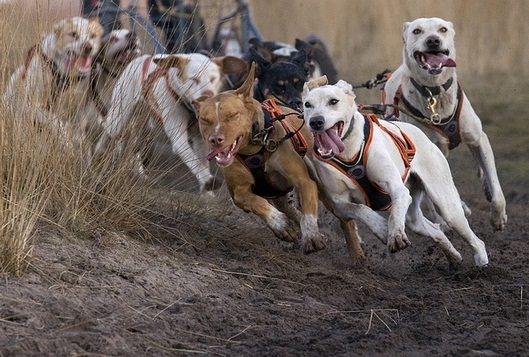
Shiloh Nevada Last updated: 18th October 2022The Eurohound is a cross between the Alaskan Husky and any of the Pointer dog breeds. Originated in Norway, this new breed is a mongrel that is at present being continually crossbred with other crosses and purebreds to produce dogs to suit specific running conditions (pulling sleds and racing).
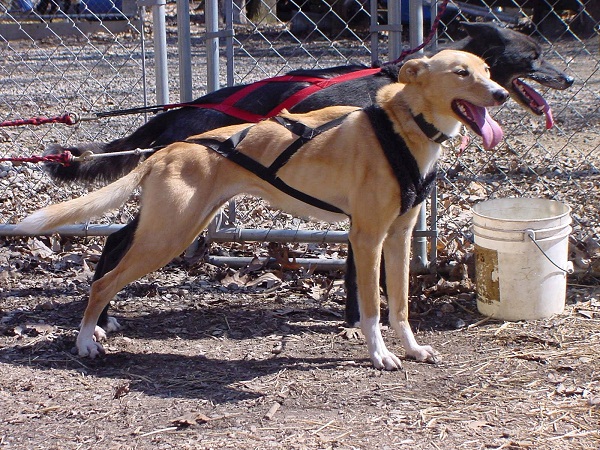
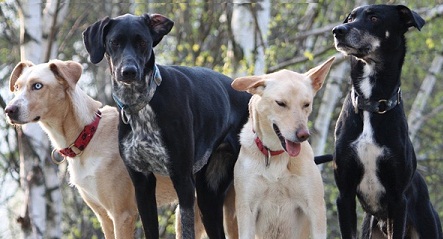
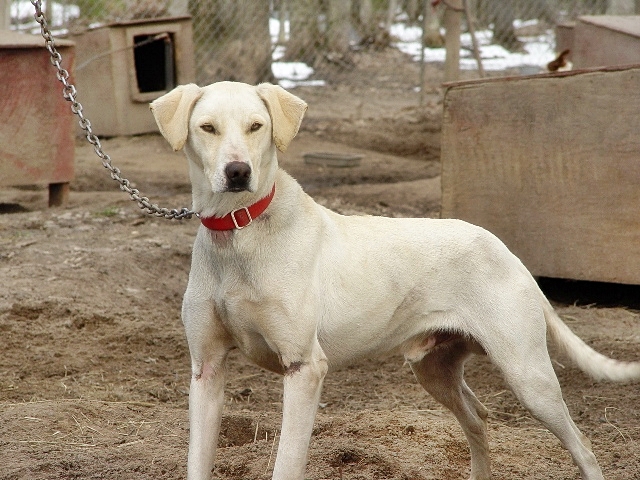
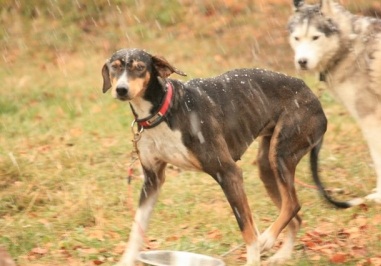
Eurohounds are slender dogs with an elongated face, piercing eyes, half-dropped ears, and a long muzzle ending in a black nose. However, because of their random genetic variations, their characteristics and temperament might vary considerably. This breed is one of the most powerful sled dogs of Scandinavia at present.
Eurohound Pictures
-

- Eurohound Dogs
-

- Eurohound Images
-

- Eurohound Pictures
-

- Eurohound

-

- Eurohounds
-

- Scandinavian Hound
-

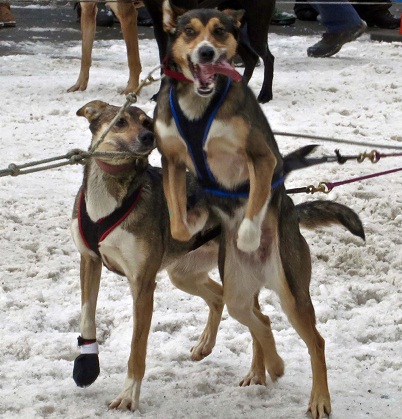
- Eurohound Sled Dog
-

- Eurohound Dog

Quick Information
| Also known as | Scandinavian Hound |
| Coat | Short, Shiny |
| Colors | Black, White, Cream, Beige, Blonde, Red, Spotted, Patched |
| Type | Sled Dog, Sprint Dog, Hunting Dog, Companion Dog |
| Group (of Breed) | Crossbreed |
| Weight | 18-24 kg (full grown adults) |
| Size | Large |
| Personality Traits | Friendly, Intelligent, Active, Willing |
| Availability | Common |
| Country of Origin | Norway (Scandinavia) |
Video: Eurohound Puppies Playing
History
In the 1980s, Sweden and Norway began crossing the Husky and the Pointer for the very first time. For this purpose, racing dogs had to be imported from North America by the mushers, until they realized that these dogs are not much able to compete with the Husky dogs in the Alaskan teams. This crisis made them feel the need for developing a new cross that would have the athleticism, intelligence, and willingness to work with the pointer, and the sledding ability of the Husky, which in turn contributed to the creation of the Eurohound. At present, the Eurohounds are preferred candidates for sprint racing.
Sled Racing
The first generation crosses (50X50) with short coats are suitable for sprint races, and when these crosses are further crossed with the husky, the offspring are born with thicker coats and are then suitable for longer-distance endurance sports. However, for maximum performance, most mushers prefer the only 1/8th of the Pointer genes, although this genetically reduces the Eurohound influence.
Video: Eurohound Pulling Sled
Interesting Facts
- A well-known Swedish musher from Alaska named Egil Ellis, and the Streeper family from Fort Nelson (British Columbia), have both found grand success using Eurohounds for racing purposes.
- Alaska sleds racing and dog expert Ivana Nolke coined the term ‘Eurohound.’