

 Jags Goldie Last updated: 17th November 2022
Dutch Smoushond
By
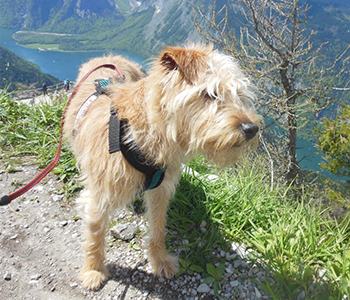
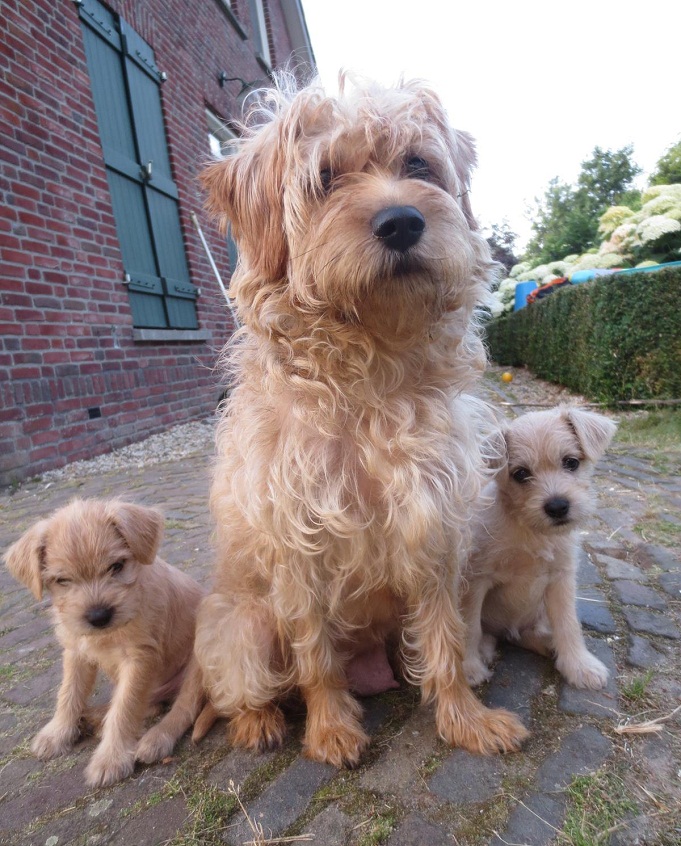
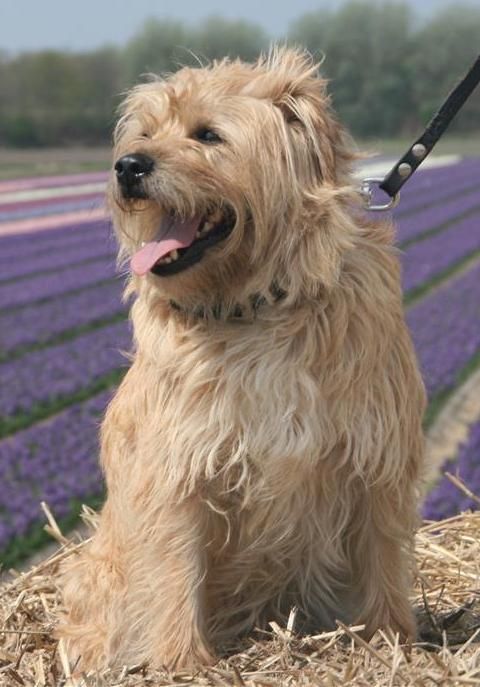
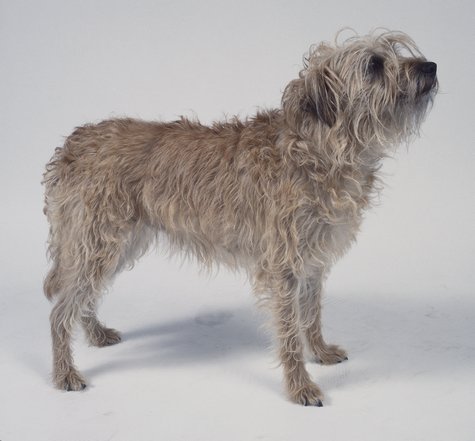
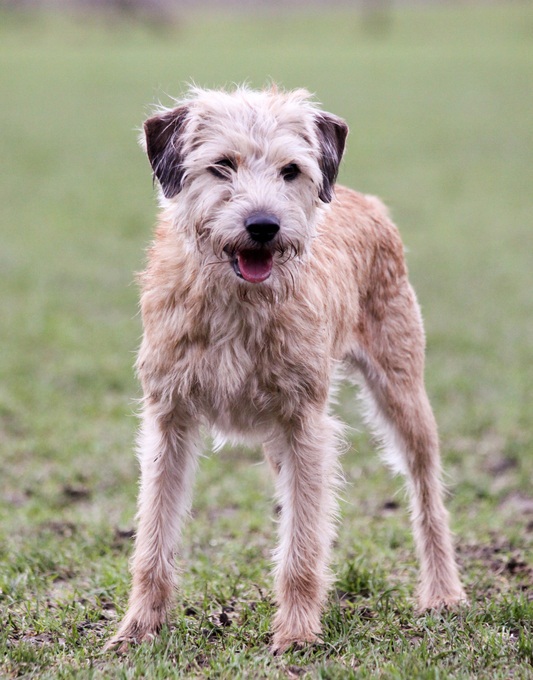
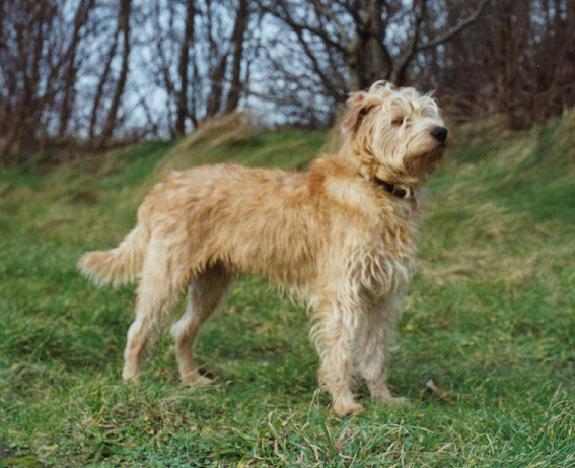
Jags Goldie Last updated: 17th November 2022The Dutch Smoushond, also known as the Dutch Ratter, is a breed of small dogs developed from terrier-like ratters used in the stables of the Netherlands and Germany. Thought to be linked to the popular German breed Schnauzer, the Dutch Smoushond is not well-known outside its country of origin. It is characterized by a broad, short head, domed skull, large, round eyes, black nose, high-set, drop ears, short, muscular neck, straight forelegs, moderately angular, strong hindquarters, and somewhat short tail carried gaily.
Dutch Smoushond Pictures
-

- Dutch Smoushond Dog
-

- Dutch Smoushond Images
-
- Dutch Smoushond Photos
-

- Dutch Smoushond Pictures
-

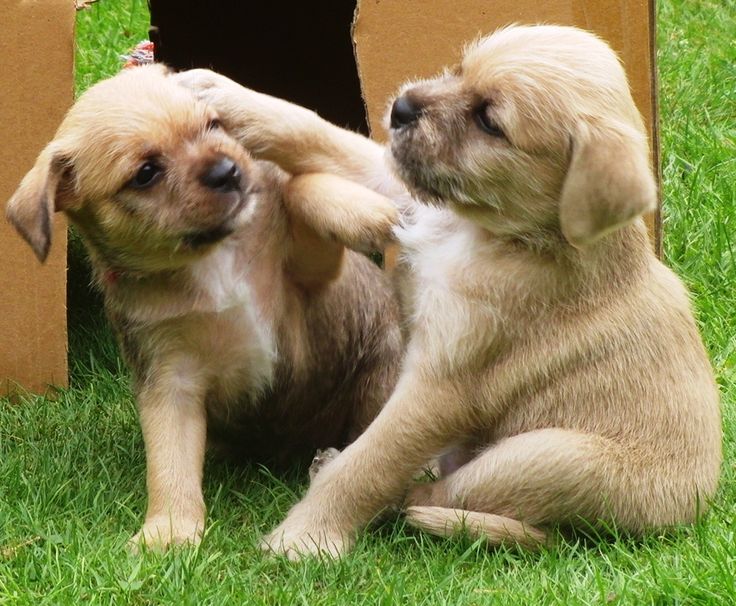
- Dutch Smoushond Puppies
-

- Dutch Smoushond

-

- Hollandse Smoushond

-

- Images of Dutch Smoushond
-

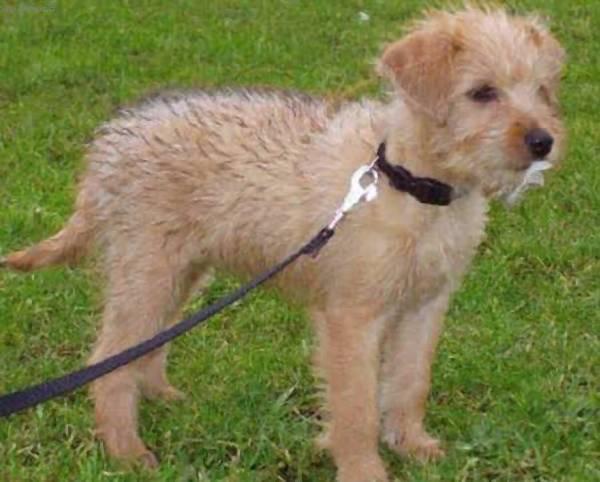
- Pictures of Dutch Smoushond
-

- Smoushond
Quick Information
| Other Names | Dutchie, Hollandse Smoushond |
| Coat | Wiry, coarse, harsh, straight, with an unkempt appearance |
| Color | All shades of yellow, preferably dark straw |
| Breed Type | Purebred |
| Category | Terrier |
| Lifespan | 12-15 years |
| Weight | 20-22 lbs |
| Size | Small |
| Height | 14-17 in |
| Shedding | Low |
| Temperament | Affectionate, obedient, intelligent |
| Hypoallergenic | No |
| Litter Size | 2-5 puppies |
| Good with Children | Yes |
| Barking | Moderate |
| Country Originated in | Netherlands |
| Competitive Registration/ Qualification Information | ACR, ACA, APRI, DRA, CKC, FCI, NKC, UKC |
History
Although the exact origin of the Hollandse Smoushond is unclear, its ancestors might have been influenced by the Schnauzers. During the late 19th century, the dogs were known as a gentleman’s companion, commonly kept as pets for their excellent ratting ability. However, during the Second World War, its population declined to the point of extinction.
In the 1970s, a Dutch dog enthusiast named Mrs. Barkman started to revive the breed through selective cross-breeding with other breeds, including Border Terrier crosses. A reference to this breed appears in Rien Poortvliet’s book “Dogs.”
The Hollandse Smoushond Club was established in 1905 for registering the dogs as purebred. The FCI acknowledged the breed in 2001.
Temperament and Behavior
The Smoushond is a loving family companion that is always eager to please its people. Since it is cheerful by nature, it will happily keep you entertained throughout the day with its playful antics.
Friendly, sober, and sensitive, the dog is known for its adaptability. It can live in an apartment provided it gets an adequate amount of exercise.
Although it remains gentle around humans, it is always alert to people it does not know. It can live peacefully with other pets including cats and dogs.
Care
Exercise
Since it is an energetic breed, you should take it out for long regular walks. Also, a few sessions of romp and play in the yard would be an enjoyable experience for both of you. The Smoushond is known to love swimming, so you can take your dog along and teach it how to swim in a pool.
Grooming
It does not need much maintenance except that its hair should be plucked by hand two times a year so that its coat can have an unkempt look. You may either groom it yourself or take the help of a professional groomer. Excess hair between the foot pads and from its ears should be removed.
Health Problems
The Smoushond is a healthy and robust breed and is not known to be susceptible to any specific health conditions.
Training
Because of its smartness and docile nature, it is considered a trainable breed.
Socialization
Socializing your dog early by walking it around a public place and introducing it to people around it is important. Do not reward your Smoushond for being skittish of unknown people, and be sure to let them pet your dog in its chest or chin.
Obedience training
Teach your dog to respond to some simple commands like sit, lie down, come, stay, and leave. Try to teach your Smoushond one command per training session, which should not last more than 10-15 minutes.
Feeding
Give it a high-quality, nutritious dog food containing animal fats and proteins along with fish oil, soya oil, rice, vegetables, and fruits.
Interesting Facts
- The name Smoushond has been derived from the word Smouzen, meaning Jewish men who had long hair and beards during the 1800s.




Any breeders in the U.S. I would love to own one!!!!!
I have a rescue dog and I’ve thought she was a terrier mix. I have seen pictures of Dutch Smoushonds and am struck by the fact that my dog looks very much like this wonderful small breed. how do I find out if my dog, Luna, is, in fact, a Dutch Smoushond?
Hi Sunny,
If you do not have information about the origin of your dog’s parents, you can make a conclusion based on observation. There are many morphological characteristics that you may consider like the shape of her head and ears, color, coat texture, as well as her personality traits. However, the best way to determine whether Luna is a Dutch Smoushhond is to do a DNA test.