
 Macy Gen Last updated: 18th October 2022
Cretan Hound
By
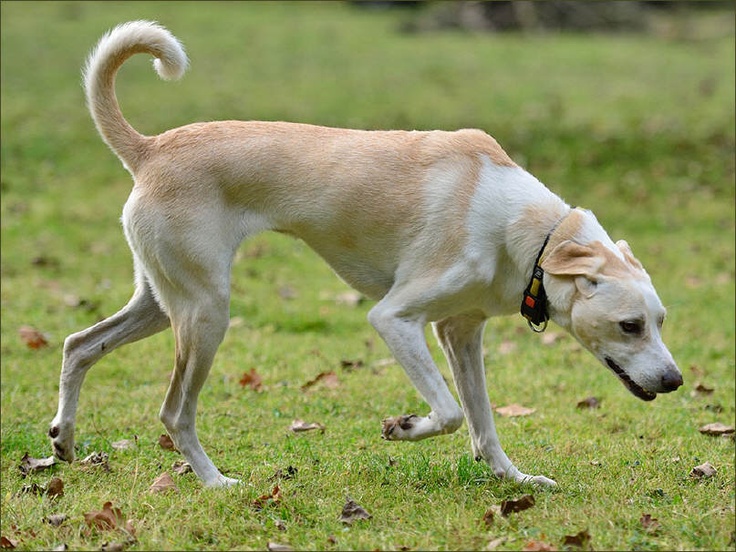
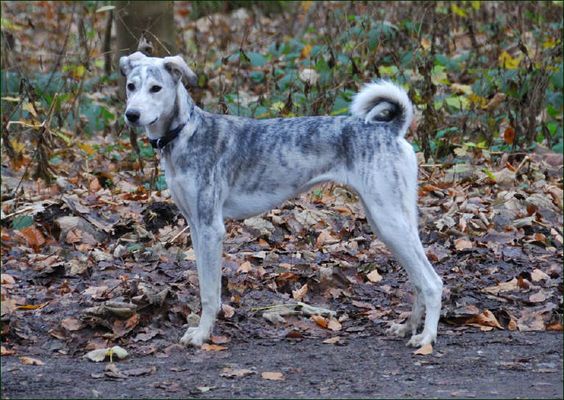
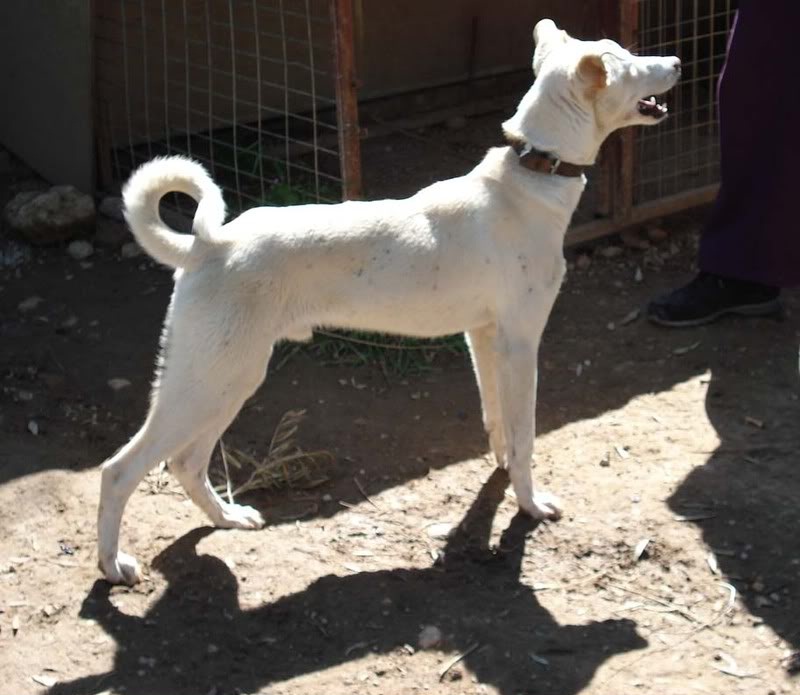
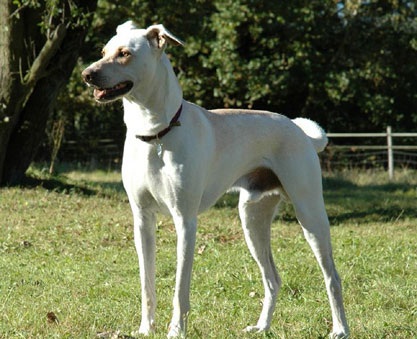
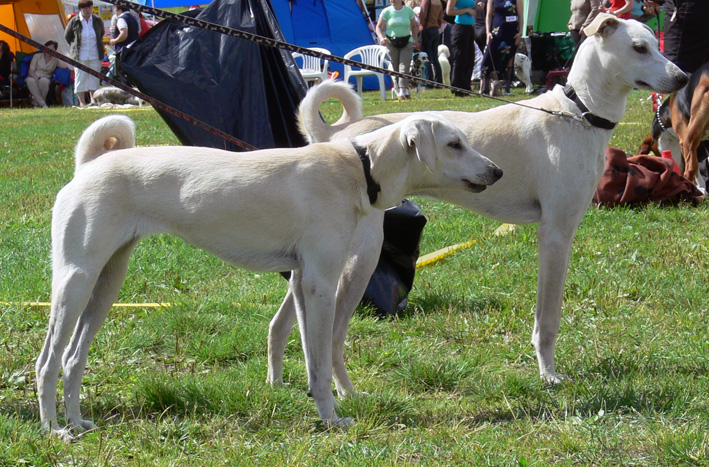
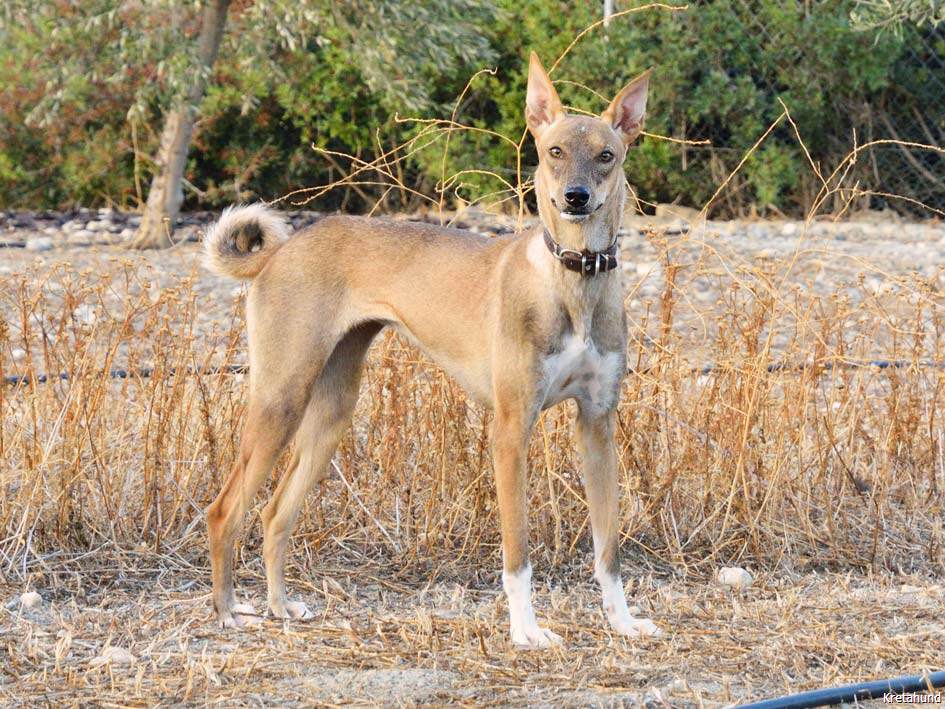
Macy Gen Last updated: 18th October 2022Considered as one of the oldest hunting dogs of Europe, the stamina, speed, sharp nose, and swift reflexes of the Cretan Hound make it excellent at its job. The long, slender body, wedge-shaped head, pricked ears, prominent hip bones and curved, bushy tail are some of the breed’s most distinctive features.
Cretan Hound Pictures
-

- Cretan Hound Images
-

- Cretan Hound Mix
-

- Cretan Hound Photos
-

- Cretan Hound Pictures

-

- Cretan Hound Puppies

-

- Cretan Hound
-

- Cretan Hounds
-

- Cretan Hunting Dog

-

- Cretan Rabbit Dog

-

- Cretan Tracing Dog

-

- Kritikos Ichnilatus
-

- Kritikos Lagonikos
Quick Information
| Other Names | Kritikos Lagonikos, Kritikos Ichnilatus, Cretan Rabbit Dog, Cretan Hunting Dog, Cretan Tracing Dog, Cretan Tracer |
| Coat | Short, hard, smooth |
| Color | White, sandy, fawn, cream, gray, black, brindle, bi-colored, tri- colored coat |
| Type | Purebred |
| Group | Hunting Dog, watchdog, guard dog |
| Lifespan | 12-15 years |
| Size | Large |
| Height | Male: 27+ inches, Female:19+ inches |
| Weight | Male: 44-66 lbs, Female: 40-60 lbs |
| Litter Size | 3-7 puppies |
| Temperament | Gentle, affectionate, reserved, tolerant, inquisitive |
| Good with Children | Yes |
| Good with Other Pets | Yes |
| Barking | Low |
| Shedding | Average |
| Hypoallergenic | No |
| Competitive Registration Qualification/ Information | KCG, DRA |
| Country | Greece |
Cretan Hound Puppies Video
History
Originating in the Greek Island of Creek, the breed has been in existence for over 3500 years, mostly used during the Minoan civilization. It is a primitive hunting dog which was bred for hunting hare and rabbits on the rocky terrains of Crete.
It is believed that the forefathers of the Cretan Hound were imported from Africa and later adapted to the Cretan conditions.
Known as the best hare-hunters during primordial times, the Cretan Hound was passed over to other Greek colonies and even European lands such as Spain and Britain, where they were crossed with the native hounds to enhance their efficiency.
Bred to perform an arduous and specific function, the bloodline of the Cretan Hound remains unadulterated to this day.
Temperament
While highly fatalistic in the hunt, the Cretan Hound is equally meek, noble, and polite otherwise. They are extremely swift, elegant and nimble in their movements who enjoy a thrilling chase.
The extremely well behaved dogs make for lovely companions, having a tender and docile attitude towards children.
Owing to its hunting genes and high exercise needs, the ideal masters for the Cretan Hounds would be sports persons who regularly engage in outdoor activities.
While they do not bark much, they are prompt at alerting their owners on sensing a threat. For the same reason, they make for good watchdogs despite their inherent lack of aggression.
They can live harmoniously with other pets when raised with them. However, due to their instinctive hunting tendency, they cannot be trusted around small animals or neighborhood cats.
Care
Exercise
Having high exercise requirements, it is best suited to homes with a large backyard or garden. An hour long walk in addition to ample playtime would suffice their exercise needs.
Grooming
Owing to its minimal grooming requirements, brushing its fine, short haired coat 1-2 times a week with a firm bristle brush will suffice.
The breed requires dry shampooing occasionally. It is best to use a mild soap while giving it a bath.
Check the feet, mouth and ears of the breed on a regular basis and trim its nails whenever the need arises.
Health Problems
While it is a typically healthy breed, it is still prone to certain ailments such as hip dysplasia, ear infections, anesthesia allergies and Progressive Retinal Atrophy.
Training
The highly obedient and intelligent breed is eager to please, responding best to positive and consistent training tactics.
Socialization: Socialize it well with strangers from an early age to prevent it from becoming overly reserved or anxious in the company of strangers.
Obedience: You must train your dog to follow certain essential commands like ‘come’, ‘sit’, ‘stay’, ’down’ etc. Always reward him when he obeys these commands.
Since the breed has a mind of its own, ensure that you make the training interesting to prevent any distraction.
Leash Training: Use a strong leather leash and carry motivating treats to reward him when he follows commands as desired. Do not give him treats until he grasps how to ‘heel, ‘stop’ or ‘walk’ alongside you.
Feeding
High-quality dog food created specifically for large, high-energy dogs is ideal for the Cretan Hound.
Consult your vet regarding the size of portions to give your dog depending on his age, amount of physical activity and overall health.
Interesting Facts
- Using both sight and scent on the hunt, the Cretan Hound has a peculiar tendency to ‘taste’ or ‘suck’ the scent from the air and the ground to locate its prey.