

 Macy Gen Last updated: 18th October 2022
Cotonese
By
Macy Gen Last updated: 18th October 2022The Cotonese is a rare dog breed obtained by mixing the two pure breeds, Maltese and Coton De Tulear. Also known as a ‘designer dog,’ their naturally curly fur and small button-like nose give them a great aesthetic appeal.
Cotonese Pictures
-

- Cotonese Dog
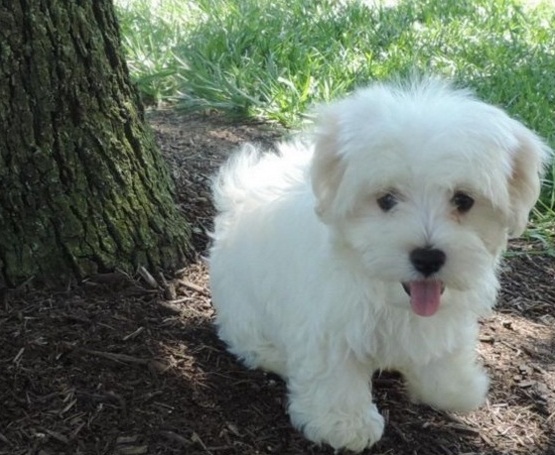
-

- Cotonese Full Grown

-

- Cotonese Images
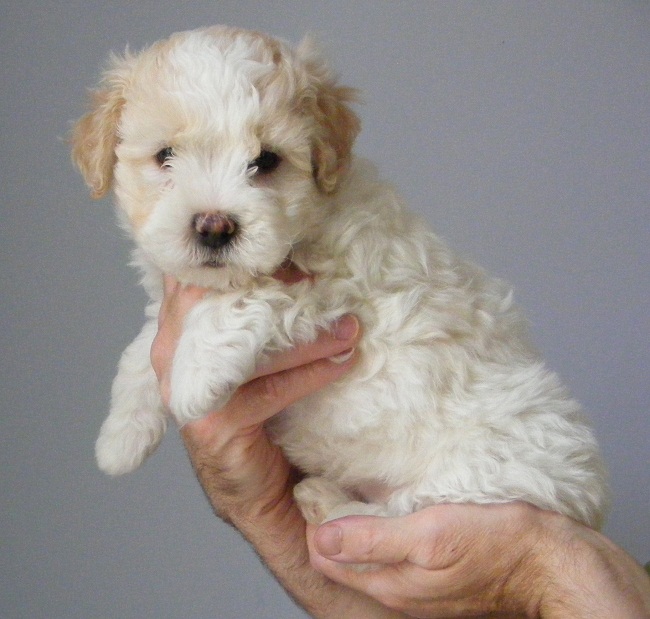
-

- Cotonese Photos
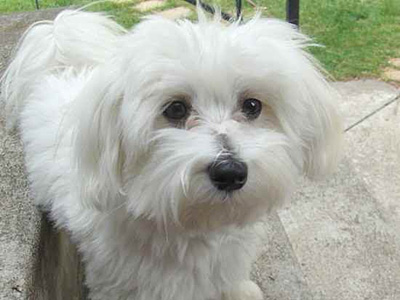
-

- Cotonese Pictures

-

- Cotonese Puppies

-

- Cotonese

-

- Images of Cotonese

-

- Maltese and Coton De Tulear

-

- Pictures of Cotonese
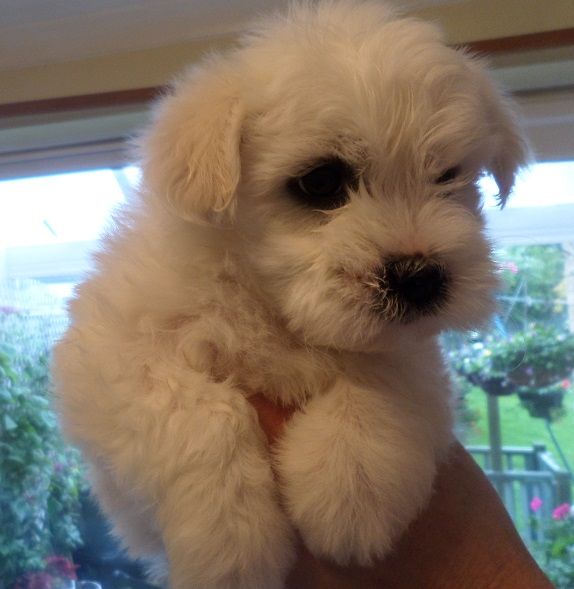
Quick Information:
| Coat | Long, curly and soft but dense coat |
| Color | Usually white, sometimes with cream and biscuit markings |
| Type | Crossbreed |
| Group | Watchdog |
| Lifespan | 12-15 years |
| Size | Small |
| Height | 8-12 inches |
| Weight | 6-16 lbs |
| Litter Size | 3-5 puppies |
| Temperament | Playful, affectionate, energetic, intelligent, social, alert and gentle |
| Good with Children | Yes |
| Suitable Climate | Low to moderate temperatures |
| Barking | Medium |
| Shedding | Minimal |
| Hypoallergenic | Yes |
| Competitive Registration Qualification/ Information | DRA, DDKC, ACHC, IDCR, DBR |
| Country of Origin | Unknown |
Cotonese Puppies Video
Temperament
The cotonese is a highly responsive and cheerful dog that is adorably goofy, as smart as they come and love to play. However, not every dog exhibits the same set of qualities since it is a crossbreed.
This highly intelligent breed is eager to please, making it easy to train or teach different tricks.
The Cotonese is a thorough companion dog who loves being around people. It is best to not leave them alone for too long a while or they may exhibit uncharacteristically aggressive, suspicious or slightly shy behavior due to a certain amount of separation anxiety.
They are extremely loving and protective of kids, making it the perfect family dog. They also gel fine with other pets provided they are socialized with them right in their puppyhood.
They are quite efficient as watchdogs, since they bark to alert their owners whenever it spots or senses an intruder or a random stranger.
Care
Exercise
Though they do well in apartments, these highly spirited and tireless dogs needs regular exercise in the form of a daily walk in the park in addition to an active play session, preferably with its master.
Grooming
The long fluffy coat of the Cotonese requires brushing 3-4 times a week to avoid matting of the hair, tangling and accumulation of dirt. Remove the coarse outer layer of its coat by stripping or plucking. Cleanse its teeth regularly to keep gum diseases and other dental issues at bay. Trim its nails whenever necessary and check the ears for infections and wax build-up regularly.
Health Problems
Like most small dogs, the Cotonese is prone to developing Luxating Patellas and hip dysplasia. Upon reaching old age, the breed may also have a slight chance of getting afflicted with arthritis, cataract and heart diseases.
Training
The Cotonese is a bright, obedient and attentive dog which makes it a surprisingly quick learner. However, the gentle breed does not do well with overly strict training and responds best to positive reinforcements.
- To keep their stranger anxiety in check, regularly expose them to a variety of people at an early stage in order to familiarize them with frequent visitors to your home. This way, it will also learn to differentiate between those who pose a threat and those who mean well.
- Provide him with consistent sessions of obedience training and teach it to obey basic commands like ‘No,’ ‘Come,’ ‘Sit,’ ‘Stop’ and ‘Go.’ Once it trained, try to teach him more challenging tricks like a handshake, or rolling over.
- Give your dog ample amount of human touch, mental stimulation and exercise to burn off its excess energy and curb its destructive habits such as barking.
- Do not unleash your little Cotonese in unfenced areas. While leash training it, teach it to not pull on the leash and walk alongside you when outside.
Feeding
This breed requires highly nourishing dry food such as meat and dog biscuits along with milk and the usual amount of water. Decide upon the size of the meals on the basis of its weight, age and activity level.




I have a male that I would like to breed he has the best personality and loving
i am seriously looking for a cotonese. do you have any females