
 Macy Gen Last updated: 27th October 2022
Brussels Griffon (Griffon Bruxellois)
By
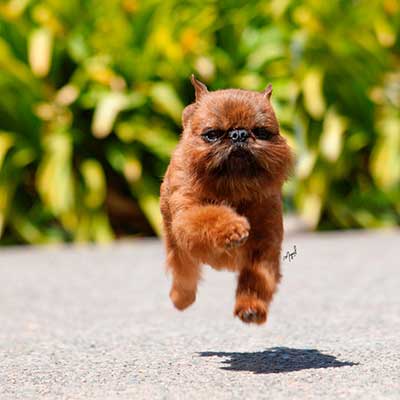
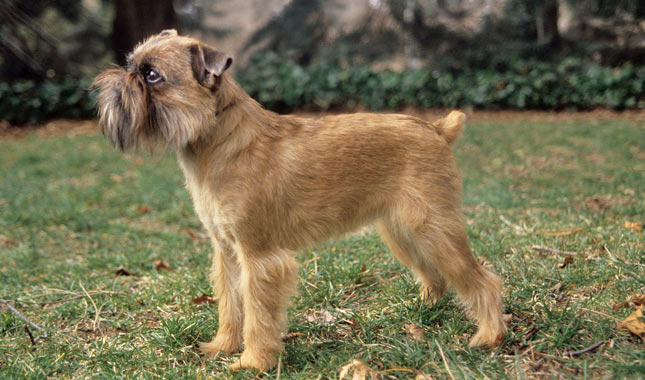
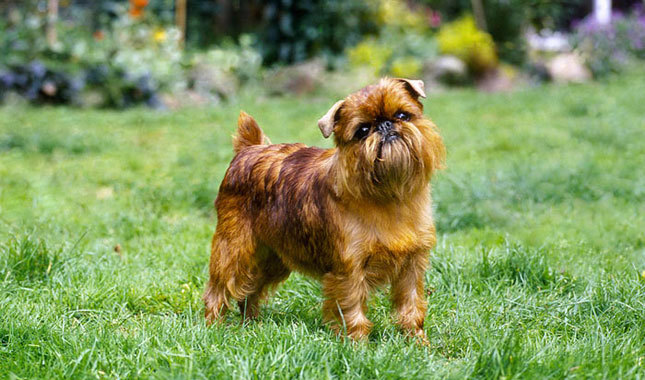
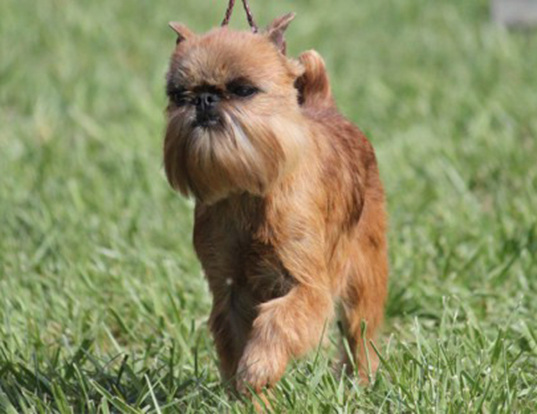
Macy Gen Last updated: 27th October 2022Cute and cuddly in appearance, the Brussels Griffon is a breed of toy dog, deriving its name from its place of origination, Brussels, a city in Belgium. Also known as the Griffon Bruxellois, this breed has other two kinds, namely the Griffon Belge and Petit Brabançon that may differ in coat and color but identified as a variety of the same breed. This sturdily built dog with a short body stature is characterized by a rounded head, large, black, well-set eyes, small ears, steady gait and a high set tail carried to the front.
Brussels Griffon Pictures
-

- Belgium Griffon
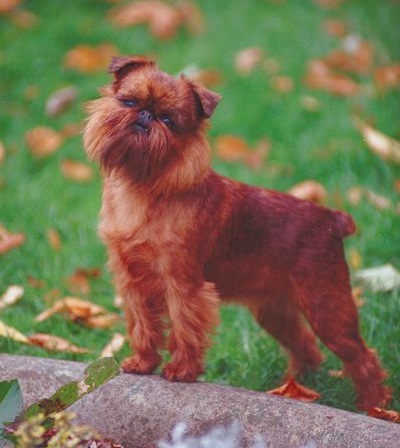
-

- Black Brussels Griffon
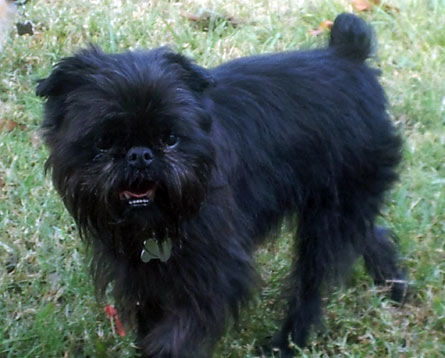
-

- Brussel Griffon Puppies
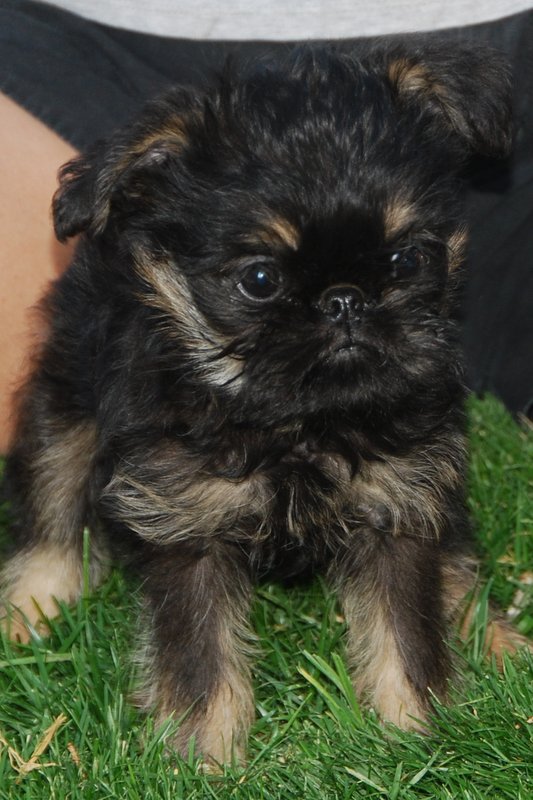
-

- Brussel Griffon
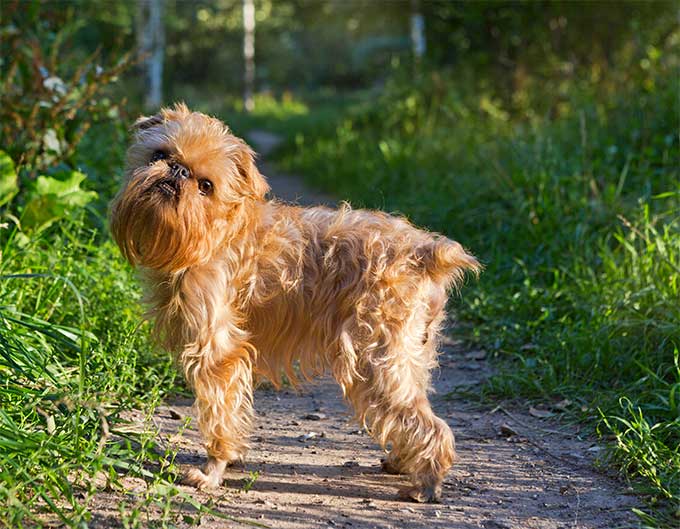
-

- Brussel Griffons
-

- Brussell Griffon

-

- Brussells Griffon
-

- Brussels Griffon Dog
-

- Brussels Griffon Dogs

-

- Brussels Griffon Images
-

- Brussels Griffon Long Hair
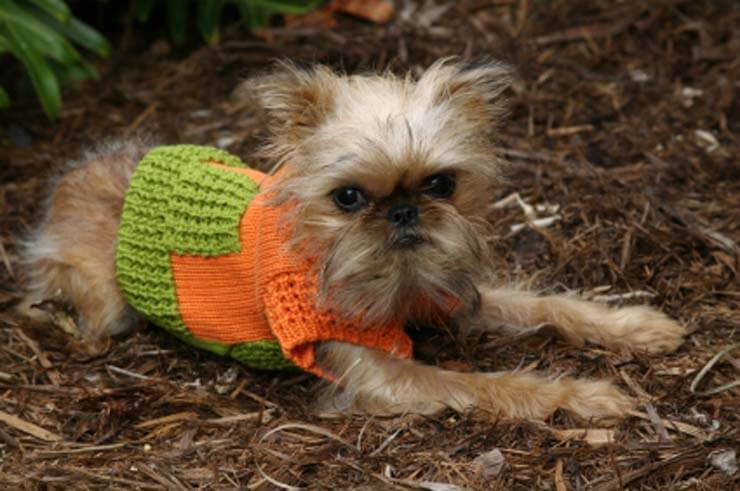
-

- Brussels Griffon Mix

-

- Brussels Griffon Pictures

-

- Brussels Griffon Puppies
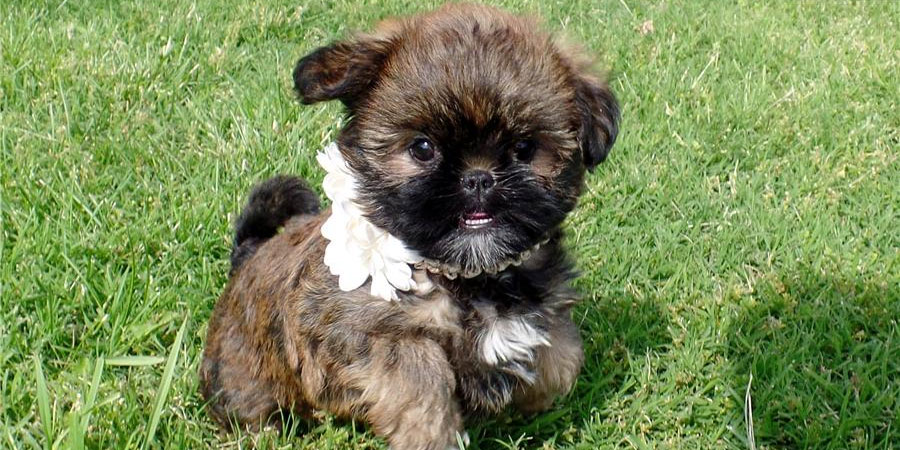
-

- Brussels Griffon Puppy

-

- Brussels Griffon Short Hair
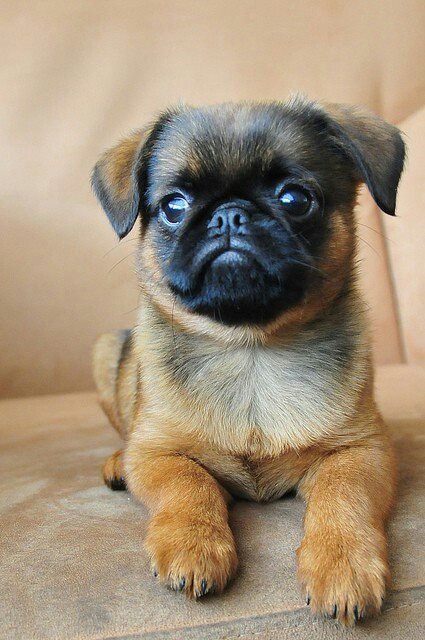
-

- Brussels Griffon Terrier
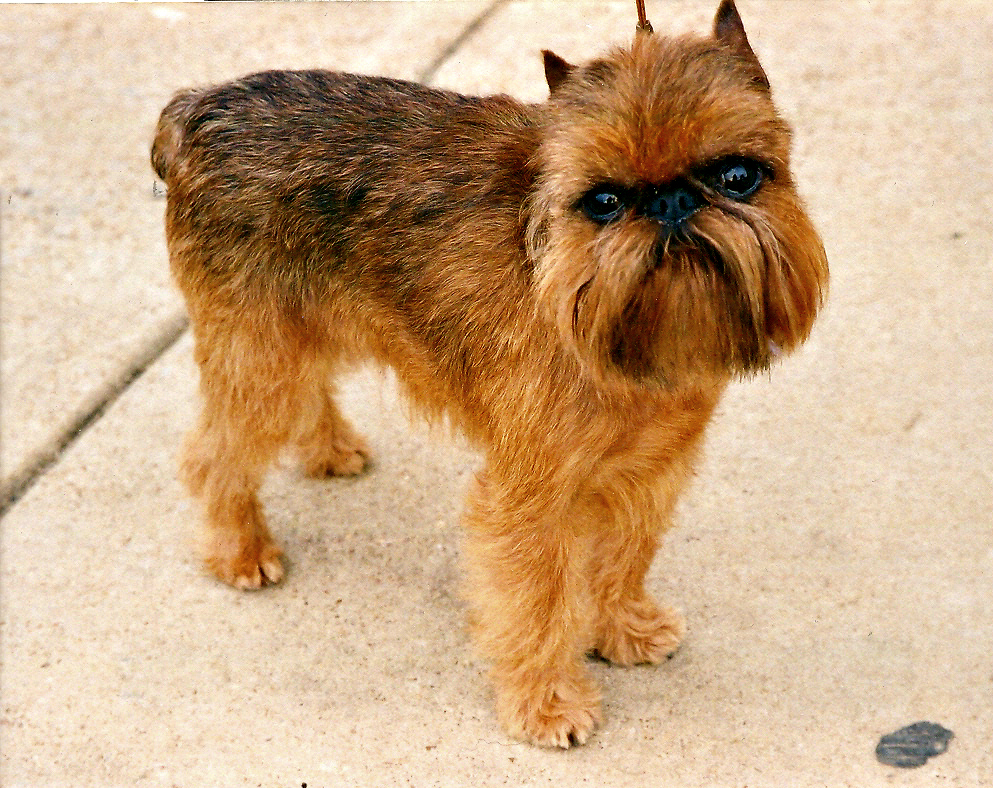
-

- Brussels Griffon
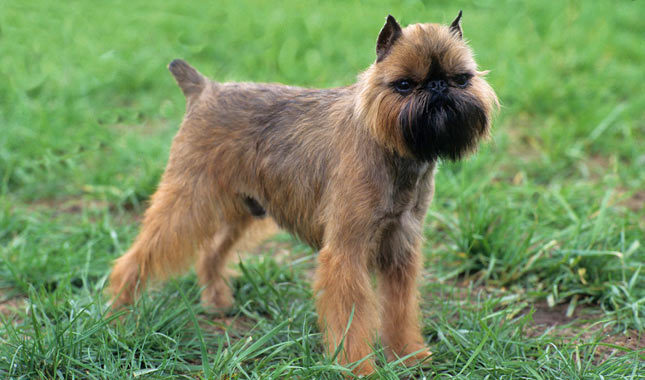
-

- Brussels Griffons

-

- Griffon Belge
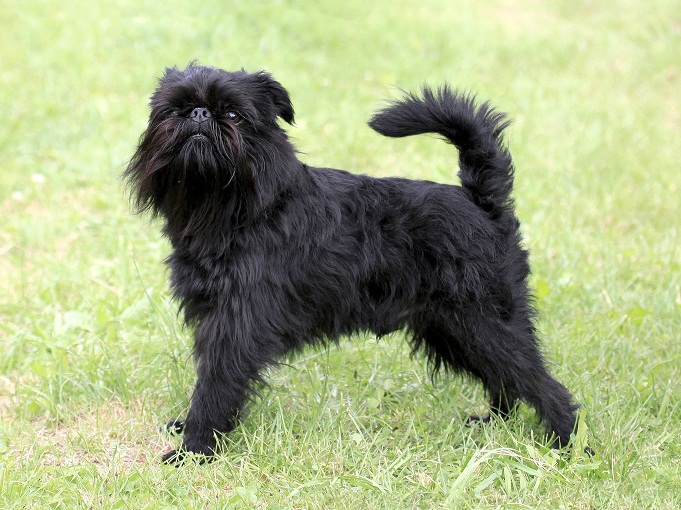
-

- Griffon Bruxellois Puppy
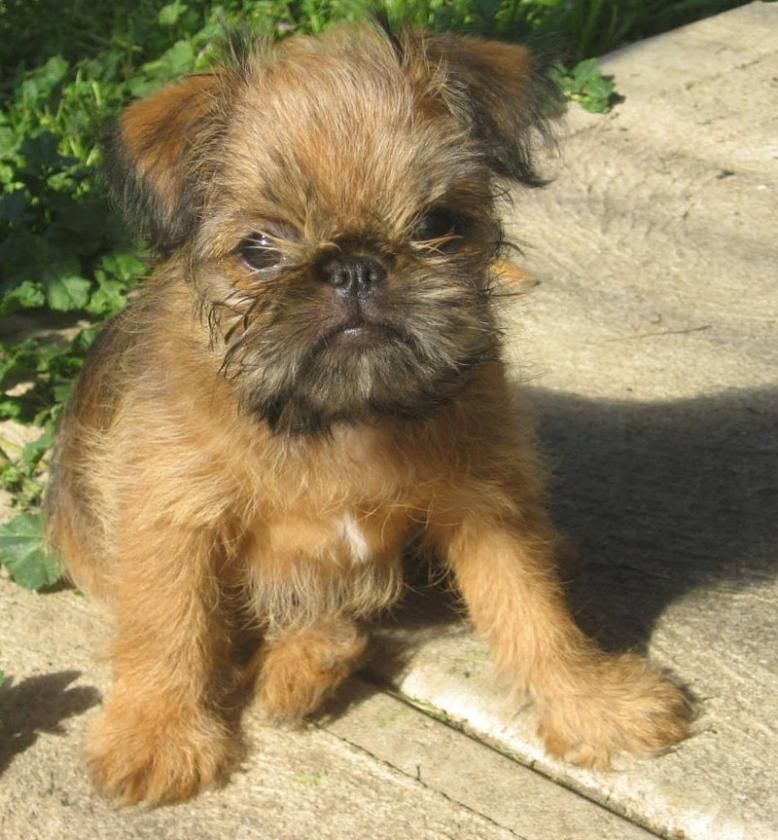
-

- Griffon Bruxellois

-

- Pictures of Brussels Griffon

-

- Smooth Coat Brussels Griffon
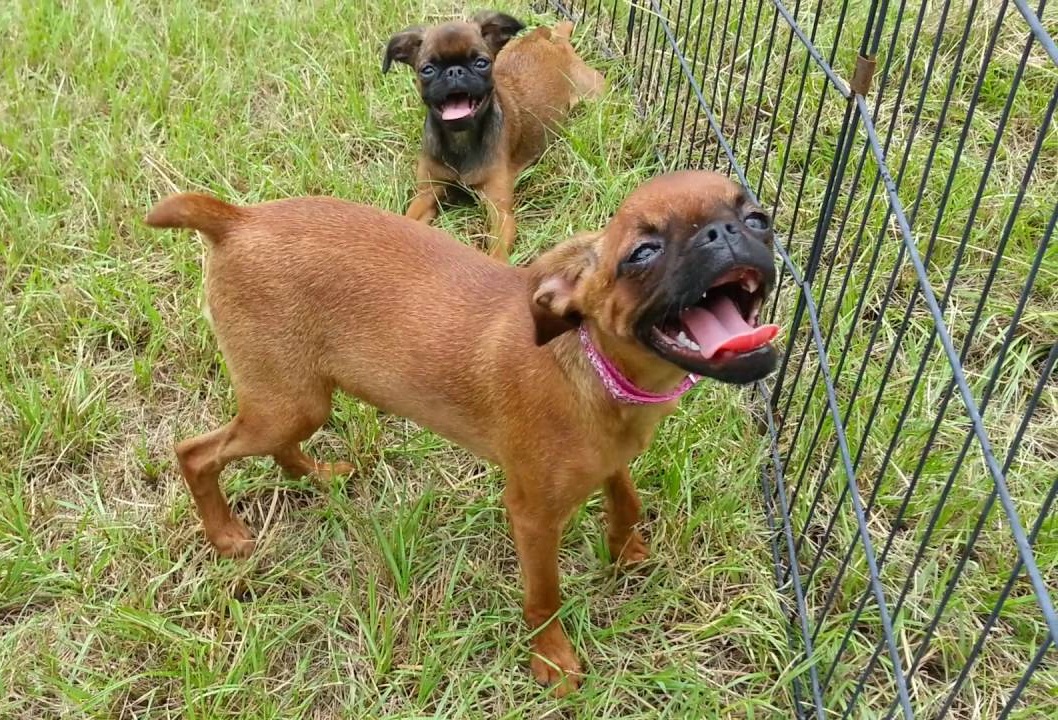
-

- Teacup Brussels Griffon

Quick Information
| Pronunciation | Griff-ON |
| Other names | Brussels Griffon, Petit Brabançon, Griffon Belge, Belgium Griffon |
| Common nicknames | Griffon, Bruss, Griff |
| Coat | Rough (wiry, dense); Smooth (straight, short, glossy, tight) |
| Color | Black, belge, black and tan, red, brown, blue, chocolate, wheaten, tan |
| Breed type | Purebred |
| Group | Toy, Companion |
| Average lifespan | 12 to 15 years |
| Size (How big do they get) | Small |
| Height of a full grown Brussels Griffon | 7 to 10 inches |
| Weight of a full grown Brussels Griffon | 8 to 10 pounds |
| Litter size | 1 to 3 puppies |
| Behavioral traits | Cheerful, lively, curious, charming, affectionate |
| Good with children | No |
| Barking tendency | Excessive |
| Climate compatibility | Intolerant to hot as well as cold climates |
| Shedding (Do they shed) | Minimal |
| Hypoallergenic | Yes |
| Competitive Registration Qualification/ Information | FCI, AKC, CKC, ANKC, NZKC, UKC, KC (UK) |
| Country | Belgium |
Video of Brussels Griffon Puppies
History and Origin
Dogs like the Griffon were renowned in Europe for a long time, and their ancestors could be seen in paintings and portrayal as early as the 15th century. However, it was not until the 18th century that the Griffon came into existence. They are said to have drawn their lineage from small terrier kind dogs called griffons d’ecurie (wire coated stable dogs) employed in stables to keep a check on rats. The drivers were known to cross their dogs with a host of other canines for improving their quality. Though nothing has been written, it is said that breeds like the Pug, Affenpinscher, English Toy Spaniel, Yorkshire Terrier and Brabançon (an ancient Belgian breed) were instrumental in the creation of the small-sized Brussels Griffon with a human-like face, also possessing abilities to hunt rats. Its popularity, however, increased in the 19th century when it received royal patronage after the Belgian queen Maria Henrietta took a liking for this breed. Eventually, it became a pet of the aristocratic class and people from the upper strata of the society carried out efforts in improving the standard of the breed. The Club du Griffon Bruxellois developed in the year 1889 with the ones having a smooth coat classified as Griffon Brabançon. Both the rough and smoothly coated ones had been imported to the U.K. and U.S. with the first Griffons being registered by the AKC in 1910. Post the two world wars there were hardly any Bruss left in Belgium. It is only for the efforts by dog fanciers of the United Kingdom and the United States which saved it from extinction.
Brussels Griffon Mixes
- Affengriffon – Brussels Griffon x Affenpinscher
- Bea Griffon – Brussels Griffon x Beagle
- Brusston – Brussels Griffon x Boston Terrier
- Eskifon – Brussels Griffon x American Eskimo
- Griffichon – Brussels Griffon x Bichon Frise x Brussels Griffon
- Cocker Griffon – Brussels Griffon x Cocker Spaniel
- Dach-Griffon – Brussels Griffon x Dachshund
- Brug – Brussels Griffon x Pug
- Brusselranian- Brussels Griffon x Pomeranian
- Rattle Griffon – Brussels Griffon x Rat Terrier
- Brwotteiler – Brussels Griffon x Rottweiler
- Shiffon – Brussels Griffon x Shih Tzu
- Griffonland – Brussels Griffon x West Highland White Terrier
- Griffonshire – Brussels Griffon x Yorkshire Terrier
Temperament and Personality
They are perfect companion dogs with a big heart, loving to snuggle with their master or near and dear ones. In fact, they have a tendency to bond intimately with a particular person in the family than all the members. They are suspicious and could be aversive to any unknown person or dogs. The Bruss does not like to be left alone for prolonged periods and can also turn destructive under such circumstances. They are impatient dogs and do not want to be bullied or disturbed by children. While some Griffons would prefer older ones than small kids, a few may not like the company of children at all. They would share a comfortable rapport with other dogs and cats of the family. However, the Griffon may suffer from small dog syndrome and could try to get aggressive with dogs more massive than it in size.
Care
Exercise
They need a moderate amount of exercise to remain physically and mentally in shape. Besides taking them out on a long walk, a game of chase in a fenced yard would be a favorable option. Since they are intelligent and easy to train they would also fare well in dog events like tracking, obedience, and agility.
Grooming
Those with a smooth coat need to be brushed once in a week during other times and regularly in the shedding season (spring and fall). Rough coated Griffs, however, shed minimally and would be fine with a weekly or bi-weekly brushing. Other grooming needs include nail trimming, cleaning of eyes and ears as well as brushing its teeth.
Health Problems
Some of the common health issues the Griffon may suffer from include hip dysplasia, patellar luxation, eye problems, ear infections, and allergies. Since it has a flat face, it could experience trouble in breathing when the weather is sunny, humid, or hot.
Training
They are intelligent but sensitive and needs to be handled in a patient and firm yet gentle way, thus requiring an experienced taskmaster.
- Socializing the Brussels Griffon puppies would help them to understand the psyche of different people thus being able to distinguish a threat from a friend.
- Obedience training, mainly teaching it commands since the onset of their puppy days is a mandate to bring their small dog syndrome under control. If it jumps on you or barks at you never pet it till the time, it mends its ways.
Feeding
Good quality dry dog food mixed with a measured amount of homemade food would help it remain healthy.
Interesting Facts
- They have featured in a lot of films with “As Good as it Gets” being the most popular one after which it was famed in the United States.