
 Macy Gen Last updated: 18th October 2022
Bolognese Dog
By
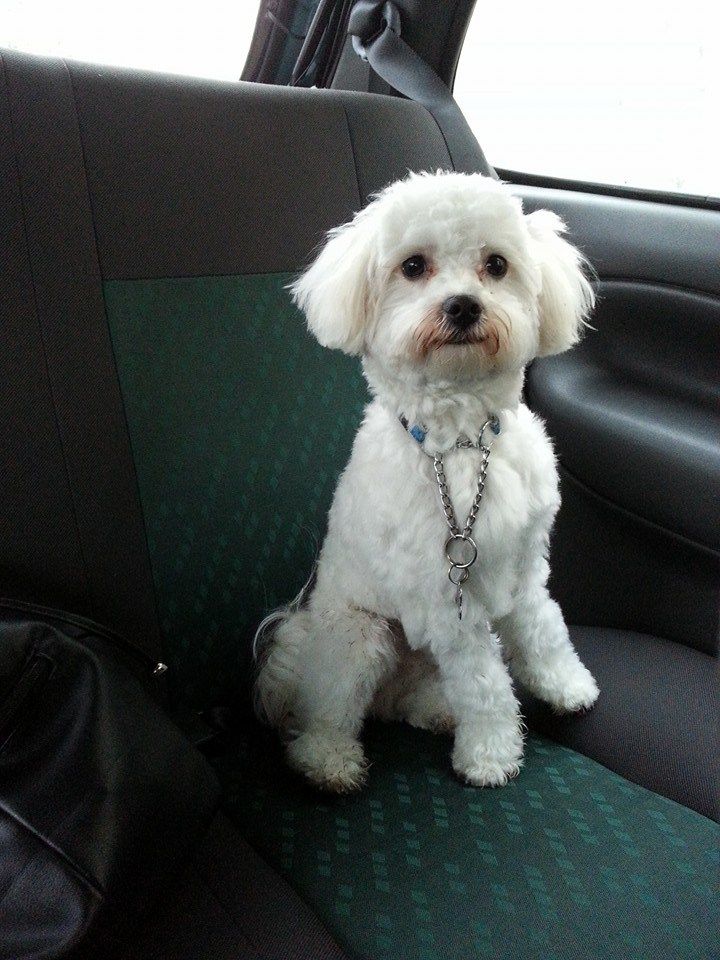
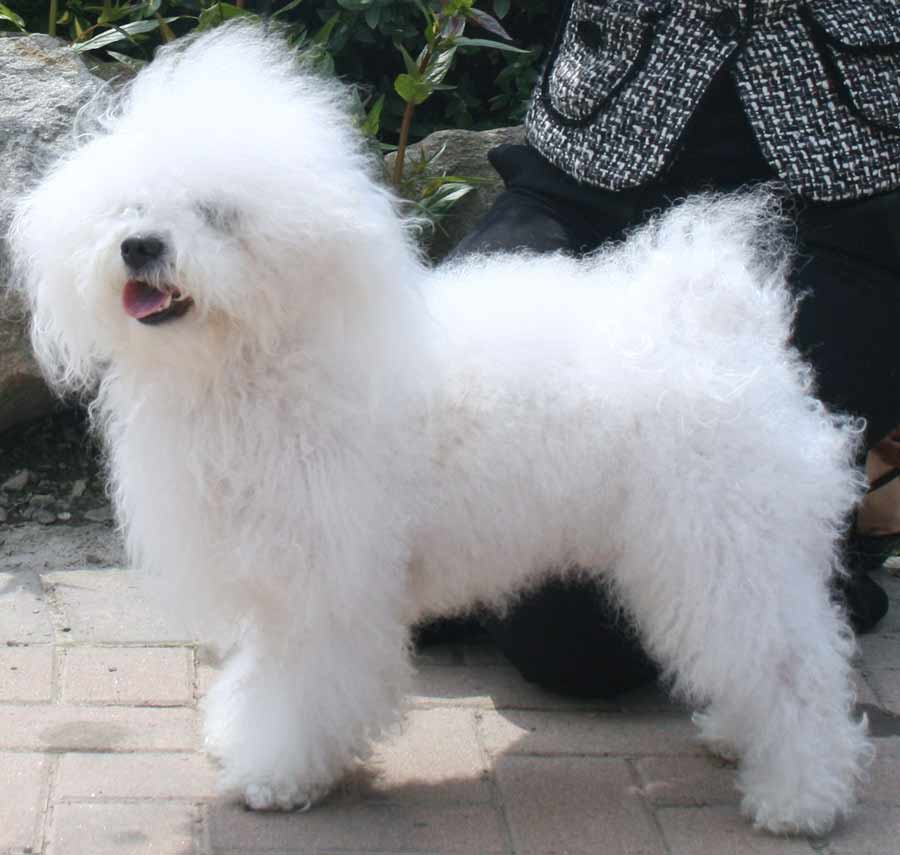
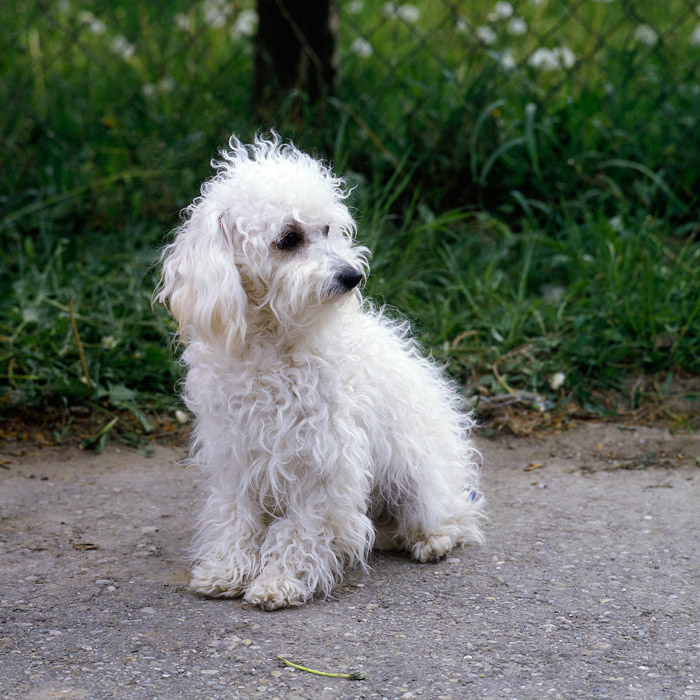
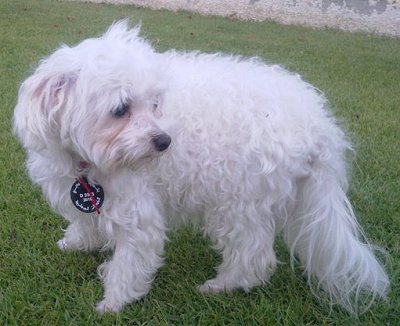
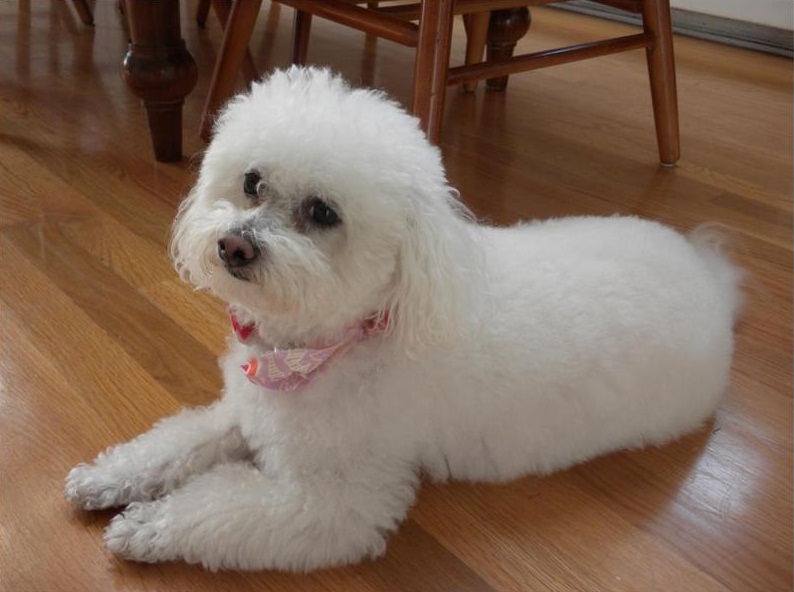
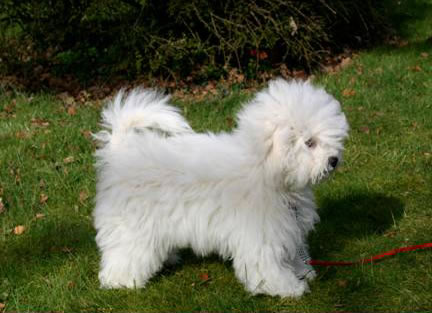
Macy Gen Last updated: 18th October 2022Small in size, Bolognese is a cute-looking companion dog, belonging to the family of the Bichon. Besides its stocky and square built, the Bolognese has an oval skull, black, square muzzle, well-aligned teeth, round, black eyes, high-set, long, hanging ears, and a well-set tail curved to its back. These white dogs because of their friendly nature and cuddly look are the perfect pets one could ask for.
Bolognese Dog Picturse
-

- Bichon Bolognese
-

- Black Bolognese Dog

-

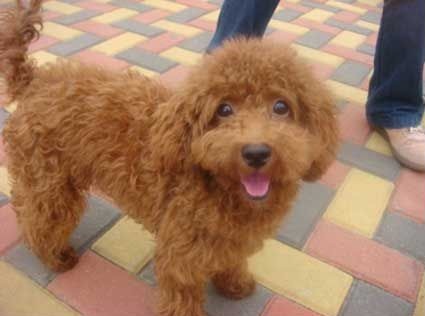
- Bolognese Dog Brown
-

- Bolognese Dog Full Grown

-

- Bolognese Dog Images

-

- Bolognese Dog Photos
-

- Bolognese Dog Pictures
-

- Bolognese Dog Puppy

-

- Bolognese Dog
-

- Bolognese Dogs

-

- Dog Bolognese

-

- Pictures of Bolognese Dogs
-

- Teacup Bolognese Dog

-

- The Bologneser
-

- Toy Bolognese Dog

Quick Information
| Other names | Bichon Bolognese, the Bologneser, the Bolognese Toy Dog, Bolo, the Botoli, the Bottol |
| Coat | Long, soft, wooly and fluffy |
| Color | White |
| Breed type | Purebred |
| Group | Toy dog, rare dog companion dog |
| Average lifespan/ life expectancy | 12 to14 years |
| Size (How big do they get) | Small |
| Height | 10 to 12 inches |
| Weight | 6 to 9 lbs |
| Litter size | 6 to 7 (3 on an average) |
| Behavioral Characteristics | Calm, affectionate, playful, alert, intelligent |
| Good with children | Yes, older ones |
| Do they bark | Moderately low |
| Shedding (Does it shed) | Minimal |
| Hypoallergenic | Yes |
| Competitive Registration Qualification/ Information | AKC/FSS, NAPR, ACR, ACA, DRA, APRI, KCGB, FCI, UKC, KC (UK) |
| Country | Italy |
Video of 7 Week Old Bolognese Puppies
History and Origin
The Bolognese developed 100s of years ago in Italy during the 11th and 12th centuries and was immensely cherished by the nobility in the Renaissance era because of its charm and elegance. In fact members of the royalty often gave away the Bolognese as gifts to their near and dear ones. For instance, an Italian king, Umberto, gifted an adorable Bolognese the Belgium princess, Jose, on her birthday. The famous Italian politician and banker, Cosimo de’ Medici, sent eight Bolognese to Brussels for the affluent families. With the decline in the nobility, the number of Bolognese also reduced. Of the few breeders present in Europe who worked towards reviving this breed, Gian Franco Giannelli is one of the most significant. It reached England in 1990 because of the initiatives of Liz Stannard. They were eligible for shows in 2001 and made their debut appearance at the prestigious Crufts in 2002. AKC recognized it in its FSS in 1999 and also granted it eligibility for competing in Companion events from July 2008.
Temperament and Personality
These are a bunch of playful, happy-go-lucky and easy going dogs with an affectionate disposition, loving to be the center of attraction of everyone in his family always, hence emerging as a perfect lap dog and a great companion particularly for the elderly.
In fact, they share a special bond with their master, desiring his attention always and even following him wherever he goes. Being detached from its owner for a prolonged period could trigger separation anxiety in it.
Its small size is not to be deceived as these dogs have a robust nature and the ability to endure.
The Bolo is friendly with strangers, once they sense that their master is behaving well with the new visitor. However, their keen eyesight and alert disposition make them efficient watchdogs who intimate their owners the moment they sense any unusual activity, by communicating through their deep, pleasant voice instead of barking noisily.
The Bolognese Toy Dog is good with children, though those who are aged above 9 years and are capable of handling dogs in a matured and sensible way. However, keep them away from young kids or supervise when the little ones are interaction with the Bolo as it might get yappy or even bite if disturbed or manhandled.
Care
Exercise
They are active but would suffice with a moderate amount of exercise, pertaining to several short walks as well as a sufficient playtime. They would thrive well in an apartment life but make sure you arrange for a lot of interesting games like ball chasing and hide and seek when they are indoors
Grooming
Its soft, white coat as fluffy as cotton, is not too hard to maintain. Brush it at least three times in a week first with a wide tooth comb and then a soft pin brush to maintain its shine as well as lessen mat and tangle formation. Washing its eyes using a moist cotton ball, cleaning its ears, trimming its nails as well as brushing its teeth are the other grooming needs which are required to be implemented.
Health Problems
Bolognese is a relatively healthy breed with no major health concerns reported about.
Training
Their intelligence and eagerness-to-learn make training easy, whereas their strong-willed and stubborn nature could be a bit of a challenge. Hence, the trainer must be firm and tactful and also induce positive reinforcement techniques to make training interesting and fun-filled.
- Crate training is essential for the Bolognese puppies since they are prone to separation anxiety. Introduce them to the crate casually instead of confining your pet inside it at one go. Place it at one corner of your house, and also keep a few blankets and your dog’s favorite plaything. Keep the door ajar and remain at a distance so that your pet gets sufficient time to explore within. If your dog gets inside without much persuasion, reward it appropriately, else make the crate tempting by putting some goodies near it. Trying your pet to get accustomed to the crate during mealtime would be a greater success. Place the food at the end of the crate so that your dog takes the trouble to go up till there for food. Once he is engrossed in eating close the door and open it after meal time. In case it gets cranky or whines, take it out immediately and reserve the exercise for some other day. Repeating it time and again will make dogs a pro in staying by itself in the crate at least for a while.
- Giving them obedience training and teaching basic commands like “Come”, “Stop”, and “No” would be beneficial in keeping them disciplined and also help to lessen their destructive habits of yapping or nipping.
Feeding
Besides a good quality dry dog food, addition of a rich homemade diet having essential nutrients would be a good option. Make sure o do not give your Bolognese too much of treats as it would take a toll on its health.
Interesting Facts
- Of the various works of Flemish artisans which depicted a Bolognese, a significant one is a portrayal featuring Duke Frederico Gonzaga caressing his pet Bolo.