
 Shiloh Nevada Last updated: 18th October 2022
Beaski
By
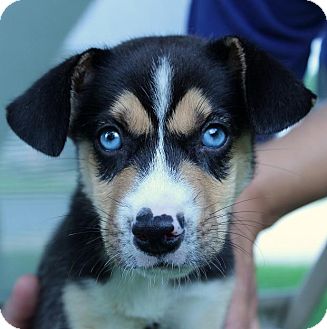
Shiloh Nevada Last updated: 18th October 2022The Beaski is a cross between the popular purebreds – the Beagle and the Siberian Husky. These are medium-sized dogs, often with the floppy ears of the beagle and the markings of the husky. They have a dark nose, almond-shaped eyes with a very alert look, and a short coat. They make amazing household companions.
Beaski Pictures
-

- Beagle Siberian Husky Mix
-

- Beaski Puppies

-

- Beaski Puppy

-

- Beaski

-

- Beagle Siberian Husky Mix Dog

-

- Beagle Siberian Husky Mix Puppy

Quick Description
| Also known as | Siberian Husky Beagle Mix |
| Coat | Short, straight, fine |
| Colors | Brown, black, tan, white |
| Type | Watchdog, companion dog |
| Group (of Breed) | Crossbreed |
| Life Span/Expectancy | 11 to 15 years |
| Size | Medium |
| Personality Traits | Affectionate, independent, intelligent, alert, active |
| Good with Children | With dominant Beagle genes: Yes With dominant Husky genes: No |
| Good with Pets | No |
| Barking | Yes |
| Hypoallergenic | Unknown |
| Country of Origin | Unknown |
| Competitive Registration/ Qualification Information | DRA |
Temperament and Behavior
The Beaski is a dog with lots of energy, and is a tireless worker. Some individuals are independent natured with a mind of their own, and often tend to spend time in their own way, while some might even be demanding. With a low level of aggression, they are friendly and gentle, and love their family members. However, if they take more to the husky side, they might not be too friendly especially with younger kids that are erratic, or tend to cuddle too much.
While beagles were bred for hunting purposes, and huskies are known to be notorious cat killers, many Beaskies would display that inherent chasing instinct. Some might develop the habit of digging, which may, or may not disappear in the long run. Most of them make good watchdogs, and tend to be noisy, barking at anything suspicious or fishy.
Care
Exercise
An everyday leashed walk and jog, and allowing them play inside a securely fenced space without the leash should meet with their need for daily exercise and activities.
Grooming
Shedding is minimal. Brush off the possible dead hair at least twice every week.
Health Problems
Generally there are no known health issues, however, you should also consider the fact that their beagle parent is prone to osteological problems like canine hip dysplasia and intervertebral disc disease. Also, be aware of issues like epilepsy, and eye diseases like glaucoma, cataracts, corneal opacities, distichiasis, and progressive retinal atrophy.
Training
Consistent and firm training is crucial. You can also take them to obedience classes.
Obedience: Never touch, hug or talk with your dog soon after it does anything unethical (like chasing a cat etc.). Your hands and voice might seem to be a reward to your dog, thus enforcing the bad behavior.
Socialization: Help your pup be good with your kids letting it grow together with them, providing lots of pleasant and relaxed experiences.
Leash training: Since this breed would constantly try escaping from the leash, prevent your puppy the moment it begins pulling, make it sit down, and you be next to it until it calms down.
Diet/Feeding
Same dog diet like the other breeds of its size and levels of energy.