
 Jags Goldie Last updated: 22nd October 2022
Bavarian Mountain Hound
By
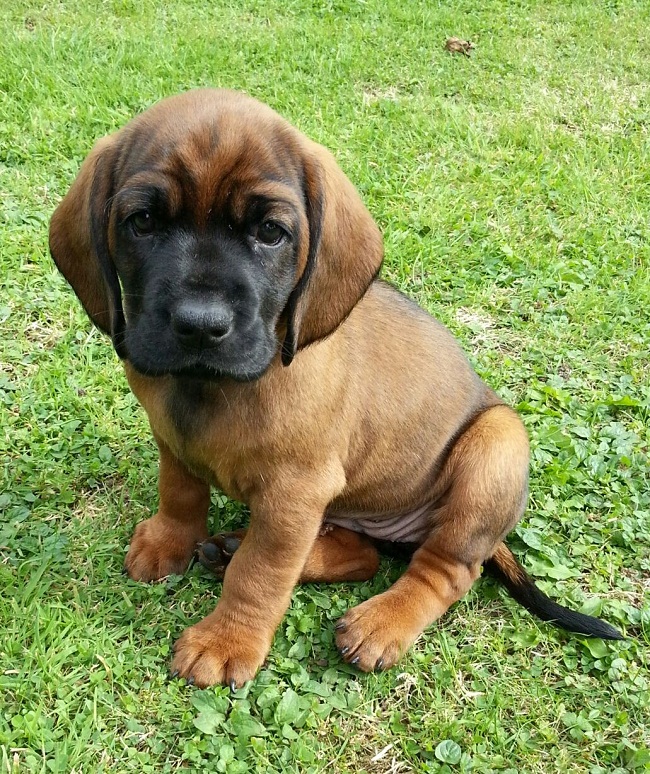
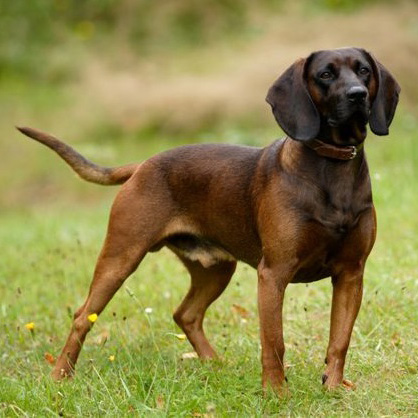
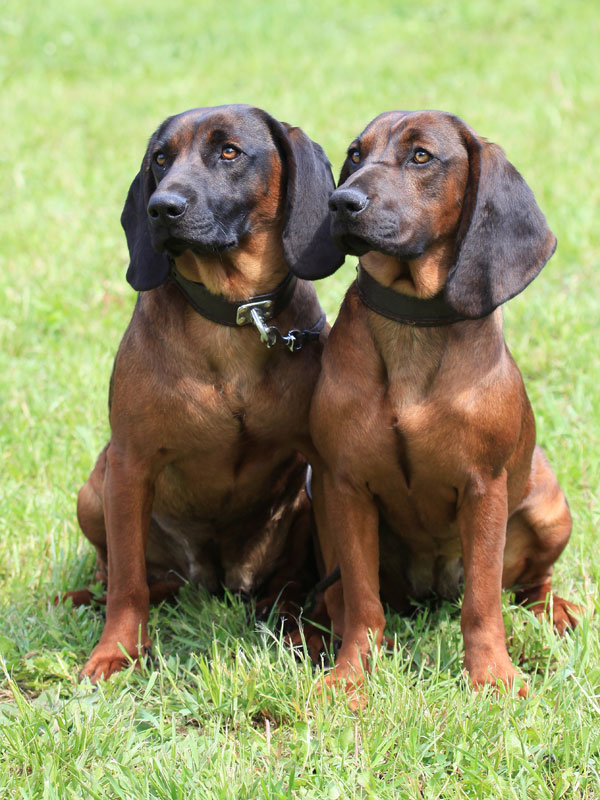
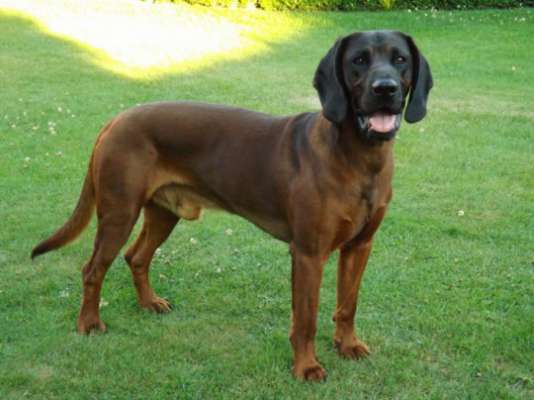
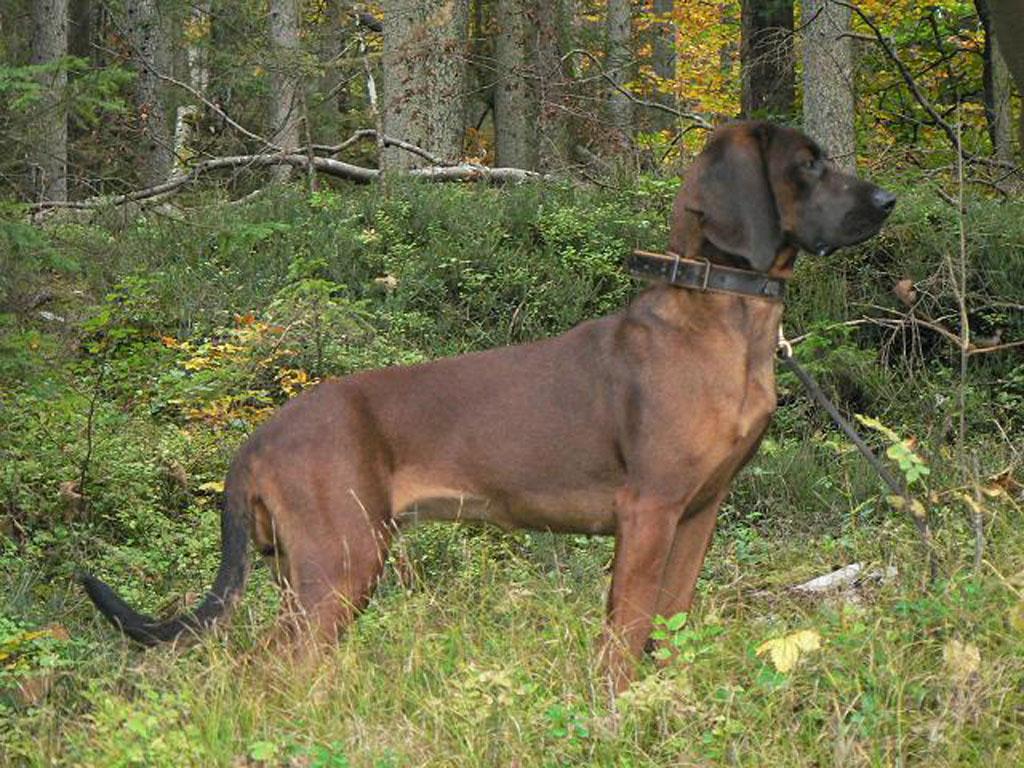
Jags Goldie Last updated: 22nd October 2022Bavarian Mountain Hound, or simply Bavarian Hound, is a German cross between the Red Mountain Scenthound and Hanoverian Hound. Bred for tracking wounded game, the Bavarian mountain hound has been highly valued in many parts of Europe including Germany, Czech Republic, and Slovakia. An altogether muscular dog, it comes with a robust and elongated head, dark red or black nose, high set ears, long, well-developed chest, medium-sized neck, and relatively straight croup.
Bavarian Mountain Hound Pictures
-

- Bavarian Bloodhound
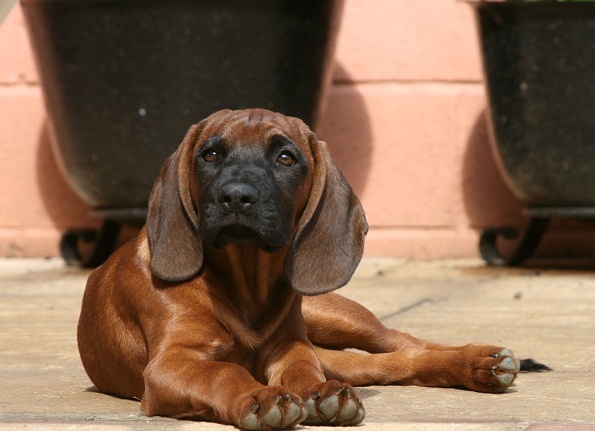
-

- Bavarian Hound

-

- Bavarian Mountain Bloodhound
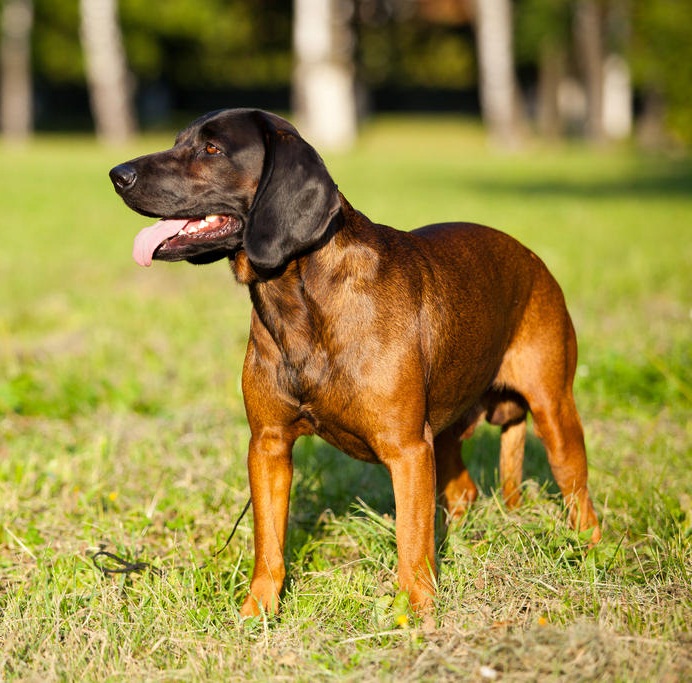
-

- Bavarian Mountain Hound Images

-

- Bavarian Mountain Hound Pictures
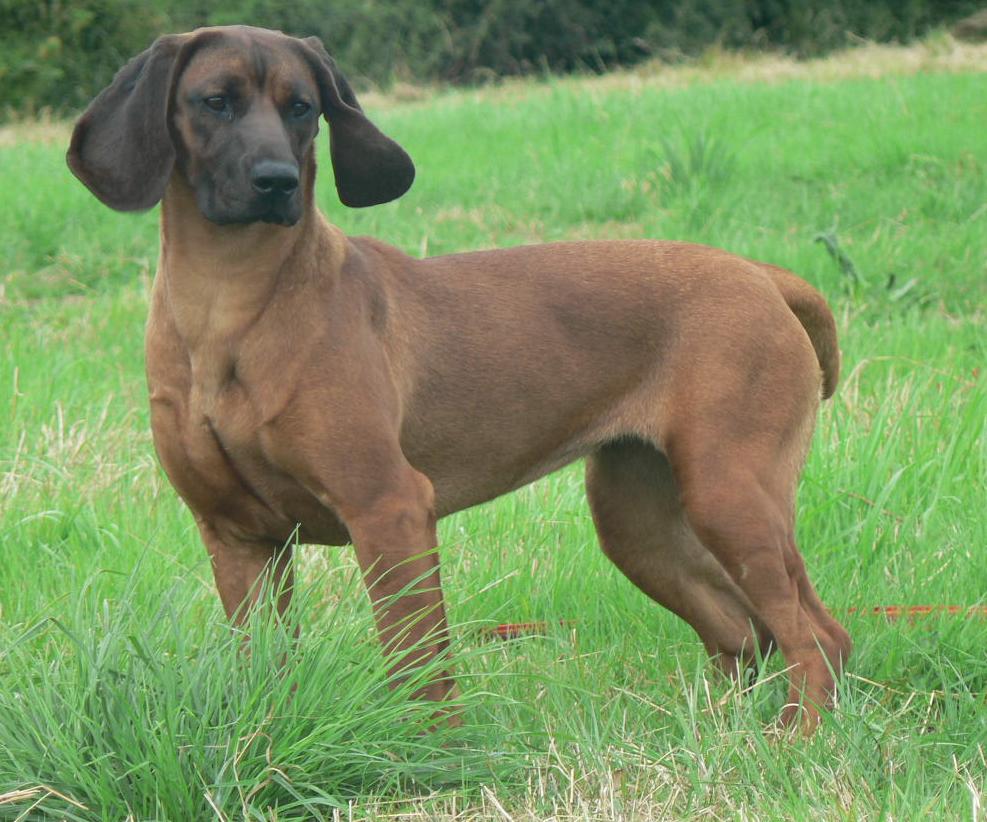
-

- Bavarian Mountain Hound Puppies
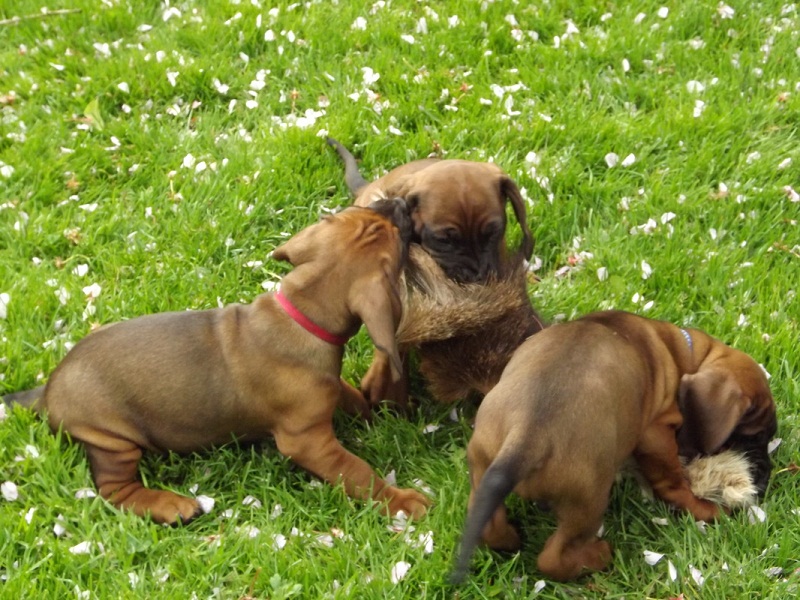
-

- Bavarian Mountain Hound Puppy
-

- Bavarian Mountain Hound
-

- Bavarian Mountain Hounds
-

- Bavarian Mountain Scenthound
-

- Bayerischer Gebirgsschweisshund

-

- Images of Bavarian Mountain Hound

-

- Pictures of Bavarian Mountain Hound
Quick Information
| Other Names | Bayerischer Gebirgsschweisshund, BMH, Bavarian Bloodhound, Bavarian Mountain Scenthound |
| Coat | Close fitting, dense, moderately harsh, finer on head, harsher on legs, belly, and tail |
| Color | Reddish brown, deer red, deep red, tan, reddish gray, clear fawn, brindle with scattered black hairs |
| Breed Type | Crossbreed |
| Category | Hounds, Scent hounds |
| Lifespan | 10-12 years |
| Weight | 44-55 lbs |
| Size | Medium |
| Height | Female: 17-19 inches Male: 19-20 inches |
| Shedding | Low |
| Size of Litter | Approximately 7 puppies |
| Temperament | Gentle, agile, spirited, loyal, courageous |
| Hypoallergenic | No |
| Good with Children | Yes |
| Barking | Occasionally excessive |
| Country Originated in | Germany |
| Competitive Registration/ Qualification Information | FCI, UKC, KC (UK) |
Video: Training a Bavarian Mountain Hound to Track
History
All the present-day leash hounds and scent hounds trace their ancestry to the “Bracken,” which were the finest hunting dogs of ancient times, with the best sense of smell and willingness to follow a trail. During the late 18th and early 19th centuries, the Hanoverian scenthounds evolved through crossing between genetically similar breeds.
After 1870, the hunters needed a lighter and agiler dog that could cover steep terrain quickly. Therefore, Baron Karg-Bebenburg mated Red Mountain Hounds with the Hanoverian Scenthounds to produce the first Bavarian mountain hounds.
The Club for Bavarian Mountain Hounds, headquartered in Munich, was first established in 1912. The FCI published its breed standard in 1996. These dogs were included in AKC’s Foundation Stock Service in October 2016.
Temperament and Behavior
The Bavarian hound, a calm and poised dog by nature, is devoted to its owner and family. As such, it does not want to be home alone when you are away for extended periods.
It is known to be reserved with people it does not know but is neither aggressive nor timid towards them.
Highly prized for its powerful hunting instinct and superb sense of smell, the mountain hound is bold, persistent, single-minded, and hard when hunting.
Care
Exercise
Bavarian mountain hounds are not suited to apartment living and are always in need of space. Being an energetic and lively breed, they require tons of mental stimulation and exercise on a daily basis. They enjoy playing and running around off the leash in a secure backyard.
Grooming
Their short, dense coat does not require much work to take care of. An occasional brushing and a regular wipe over using a Mitt are sufficient to keep it shiny. Make sure that you clean its ears with a piece of soft cloth dipped in the ear-cleaning solution.
Health Problems
Although these hounds have never been reported to suffer from congenital health conditions like hip dysplasia, epilepsy, and entropion, you need to be aware of each of these health concerns.
Training
Since the Bavarian mountain hounds like to please their handlers, they can be easily trained.
Obedience Training: Owing to the Bavarian hounds’ strong hunting instincts, emphasis should be on basic commands including the recall or “come” command. Never call your dog to come to you for discipline. It will teach your mountain hound to consider the training as a negative experience.
Socialization: If they are socialized early, they will learn to live happily with other dogs. Take your Bavarian hound to parks, hardware stores, pet shops, café patios, and friends’ houses on a leash, as these places help your dog get used to unknown objects, noises, people, and other dogs.
Feeding
While the Bavarian mountain hound thrives on quality dry dog food, you may also include raw meat, bones, fruits, and vegetables in its diet. You may add a balanced vitamin supplement to make sure your pet stays healthy.