

 Shiloh Nevada Last updated: 14th January 2023
Aussiedoodle (Aussiepoo)
By
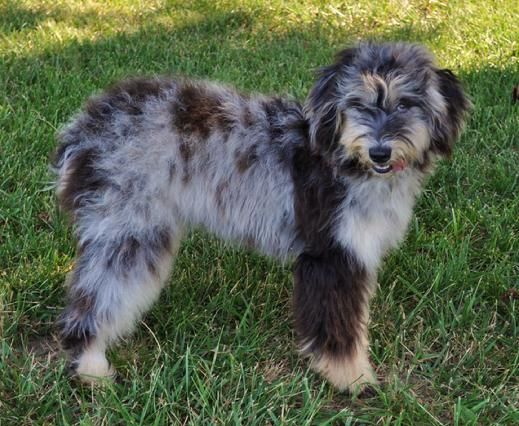
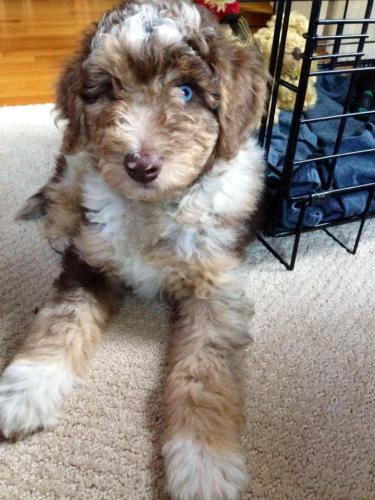
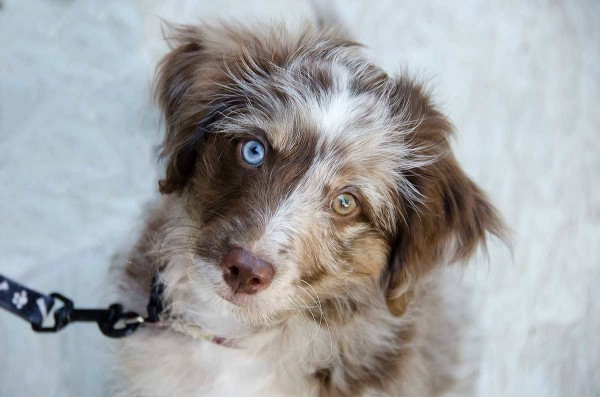
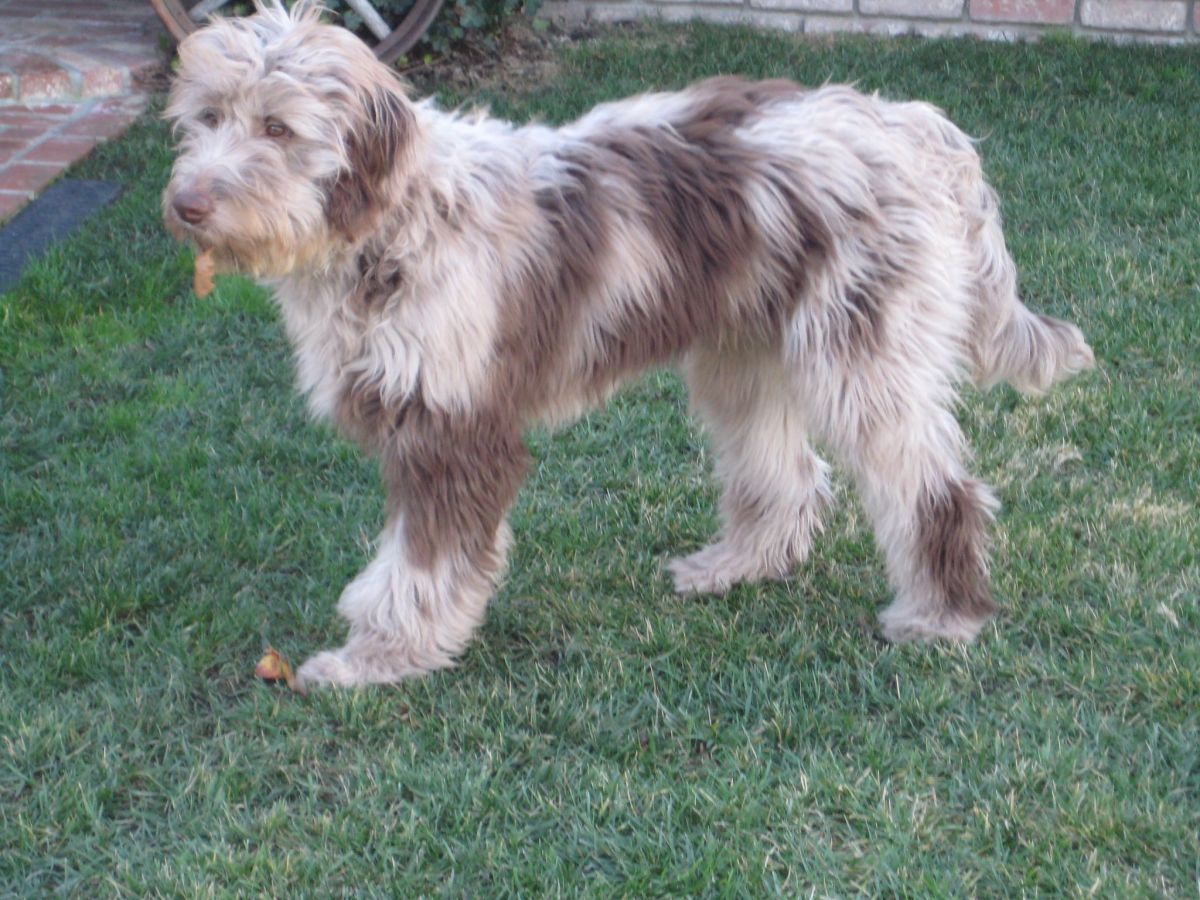
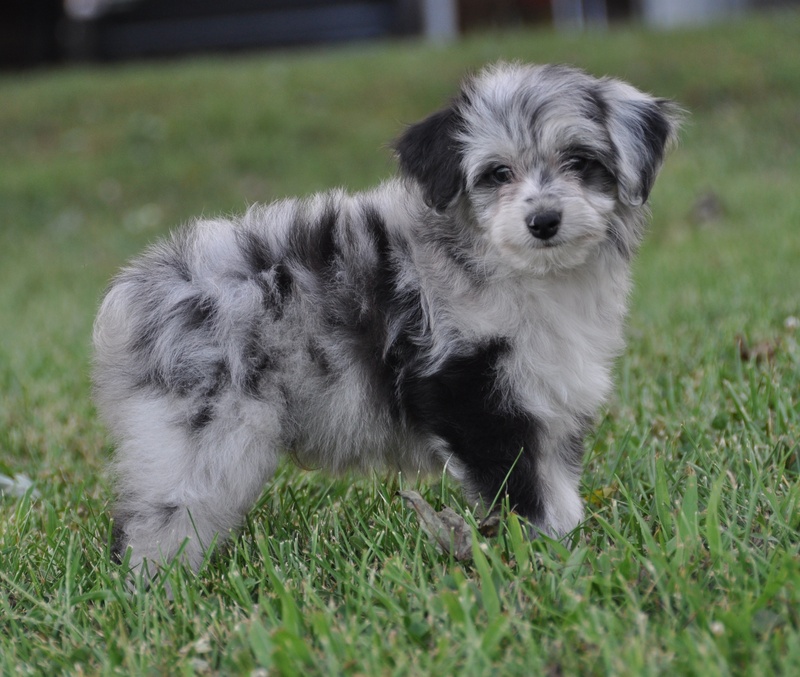
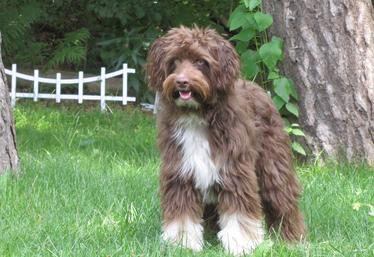
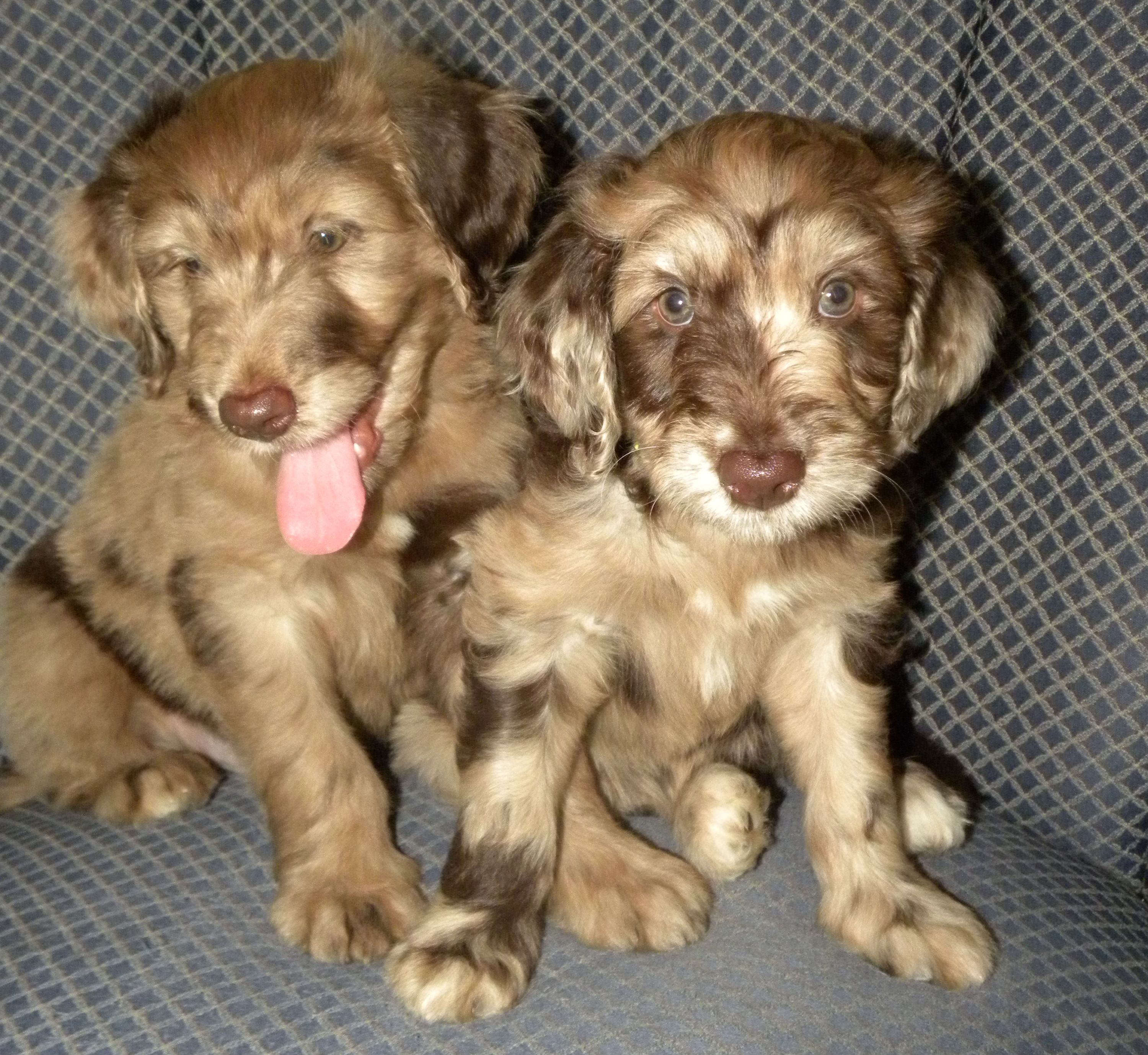
Shiloh Nevada Last updated: 14th January 2023As a crossbreed dog, the Aussiedoodle is the child with the combined characteristics of its loyal and gamesome Australian Shepherd and the intelligent and energetic Poodle parents. With a defined, strong-boned, muscular structure covered with rabbit-like soft coat, this small-size cuddling companion is quickly gaining popularity over the past couple of decades.
Aussiedoodle Pictures
-

- Aussiedoodle Dog
-

- Aussiedoodle Images
-

- Aussiedoodle Photos
-

- Aussiedoodle Pictures
-

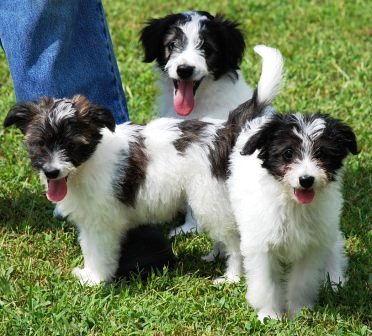
- Aussiedoodle Puppies Images
-

- Aussiedoodle Puppies Pictures

-

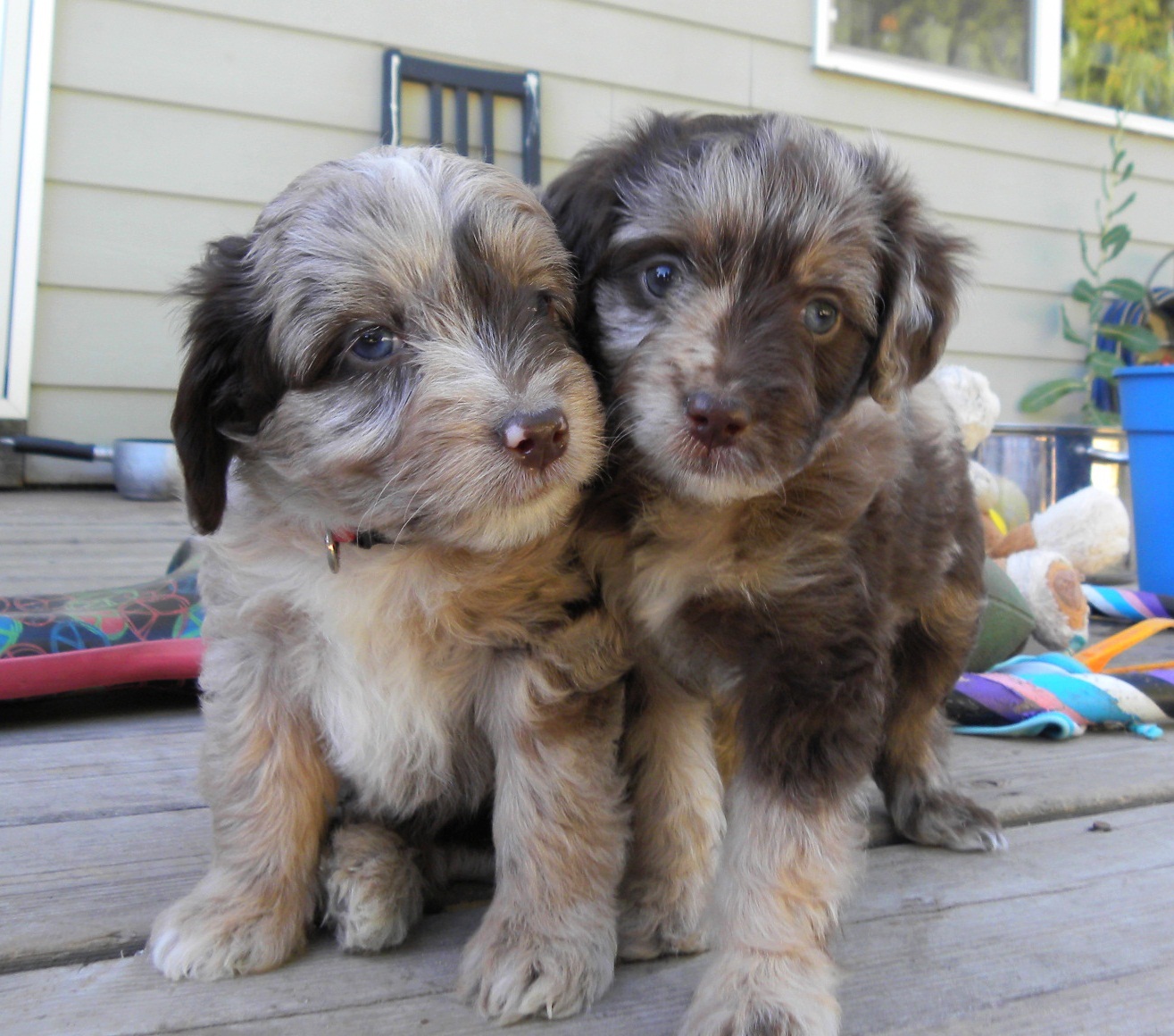
- Aussiedoodle Puppies
-

- Aussiedoodle Puppy

-

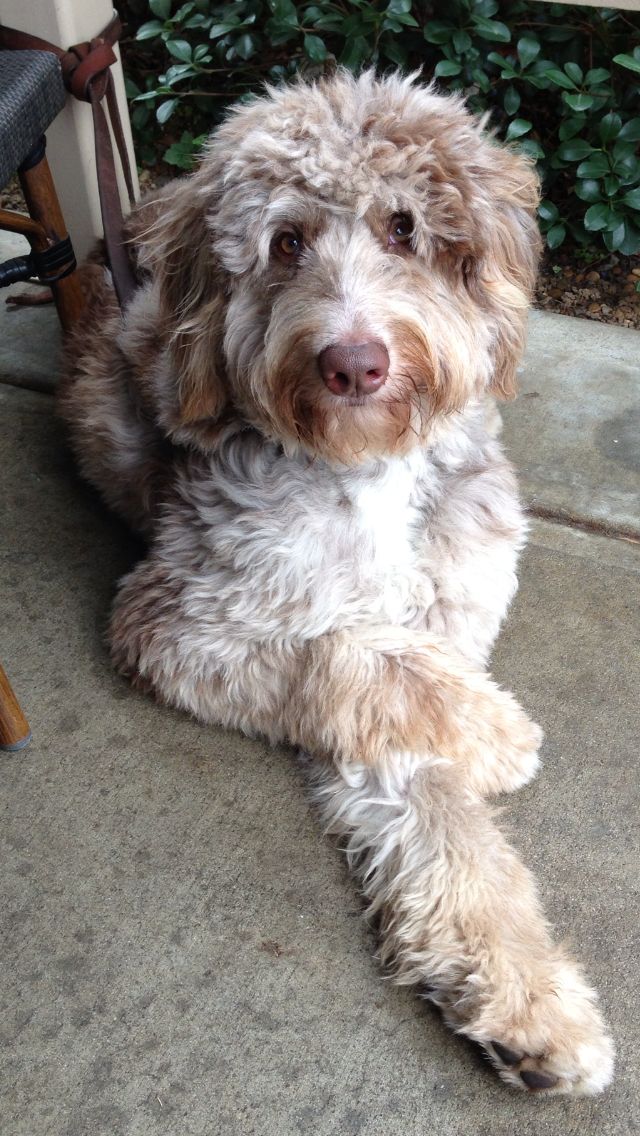
- Aussiedoodle
-

- Blue Merle Aussiedoodle

-

- Brown Aussiedoodle

-

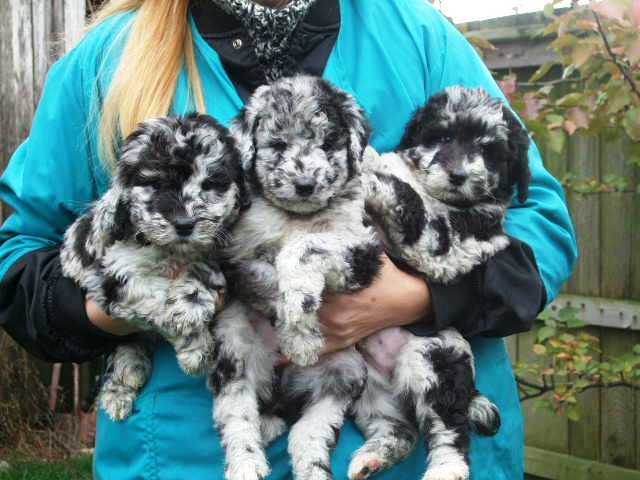
- Mini Aussiedoodle Puppies
-

- Mini Aussiedoodle

-

- Miniature Aussiedoodle
-

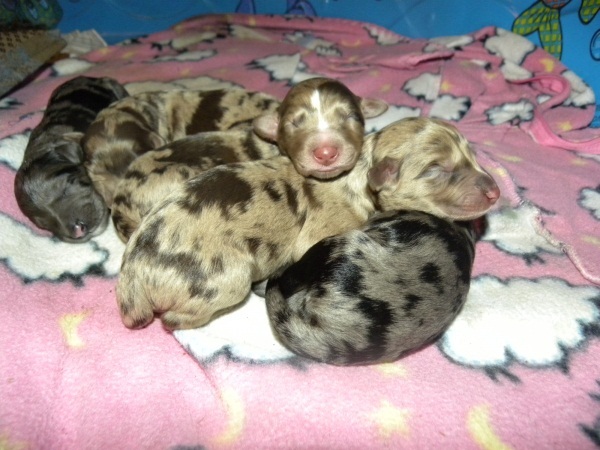
- Newborn Aussiedoodle
-

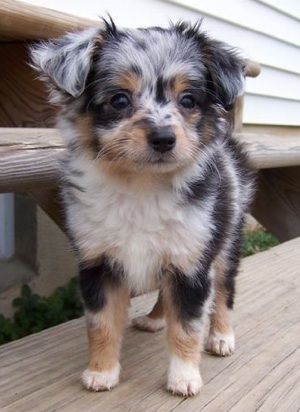
- Toy Aussiedoodle
-

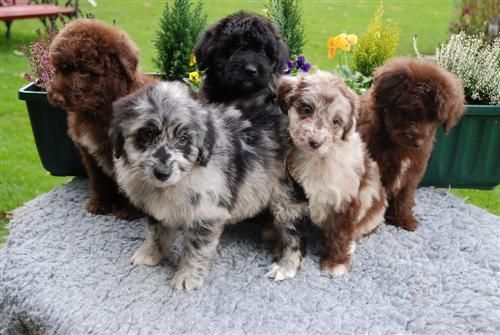
- Aussie Poo Puppies
-

- Mini Aussie Poo

-

- Mini Aussiedoodles
-

- Aussiedoodles
Quick Information
| Common Nicknames | Aussie-Poo, Aussiepoo, Aussi-Poo |
| Coat | Long, soft, silky, thick |
| Color | Black, Gray, Red, Tan, Brown, Yellow, Blue, Silver, White |
| Breed Type | Cross breed |
| Group (of Breed) | Toy, Non-sporting, Herding |
| Lifespan | 10 to 12 years |
| Weight | 25 – 70 pounds |
| Height (size) | Small; 14 – 23 inches |
| Shedding | Nominal |
| Temperament | Intelligent, alert, social, loyal cheerful, responsive |
| Good with Child | Yes |
| Litter Size | 3-6 puppies at a time |
| Hypoallergenic | Yes |
| Barking | Average (when provoked) |
| Litter Size | 1-14 puppies at a time |
| Competitive Registration | ACHC, DDKC, DRA, IDCR, DBR |
Aussiedoodle Video
Recognized Names
This breed is recognized as the Aussiedoodle by the Designer Dogs Kennel Club and the International Designer Canine Registry. On the other hand, the American Canine Hybrid Club and Designer Breed Registry identifies the name Aussie-Poo
Miniature/Toy Aussiedoodle
Evolving from a miniature Poodle, the Mini or Miniature Aussiedoodle is only a smaller breed-variant of this already-little dog, winning separate recognition from dog clubs like the ACHC and the IDCR. Inheriting the behavioral traits of the Miniature Poodles, the Mini Aussiedoodles have a well-mannered and delightful disposition.
Temperament and Behavior
Despite inheriting the herding instinct of the Australian shepherd, they do not make a good herding or a watch dog. With their sweet, playful, sociable disposition, they prove to be extremely attached to their owner, and would spend time lying at his feet. Being almost a workaholic, this Australian Shepherd and Poodle mixes would find their own work (like playing with teddies and toys), if not appointed for any. Their patience make them do well both with children and other family pets. In spite of their intelligence and modesty, they do need training from puppyhood in order to maintain a continued understanding of the directions given by its family members.
Care
Exercise
With adequate regular exercise including walking and jogging and quality playtime to keep their body and mind stimulated, the Australian Poodle can fit well in apartment life. They would also love to swim if given a chance to spend some pool-time.
Grooming
Regular grooming is essential to retain their neat look. Alternate-day brushing and clipping once in 2-3 months are recommended, especially for the curly-coaters. Aussiedoodles with the poodle’s curly coat need less brushing while the ones with the shepherd’s wavy type need it frequently. Some doggies have their coat something midway. Trimming nails, checking their ears for infections and brushing their teeth should also be a part of the regimen.
Health Problems
As a hybrid dog, the Aussies do not suffer from any breed-specific issues. However, some of their general issues like eye diseases, disorders of the patella or elbow etc. are mostly gene-carried, for which reason, gathering family health-history of the puppy before buying from the breeders would be wise.
Training
Although the Aussie poo is tough to be trained with rudeness, the intelligence of the Aussiedoodle has eased the task of the trainer, if he treats with all praises and rewards, but firmly. Pack order training, crate training, socialization training and reinforcement of rules should be imparted to the Aussiedoodle puppies to ward off possible behavioral crises in adulthood.
Feeding
These highly energetic dogs need to be put on a balanced diet. If you are giving your puppy dry dog food you can allow it to free-feed for a certain amount of time, though overdoing it may have an adverse effect. However, feeding them three times in a day with raw chicken, bones and other nutritious food will make way for an improved physical and mental health.
Interesting Facts
- The Aussie poodle mix is more popular in the US than in Australia.
Image Source: https://www.dreamydoodles.com/




Looking for a small mini Susie mix.
If Aussiedoodles has a rabbit-like soft coat as you mentioned, I think my niece would greatly like the pet she’ll get if she has one as a puppy. I’ll see if there are any for sale that is toy-sized as you pointed out which is the perfect size for her. Since you said that they are a sociable dog, she’ll love the puppy as long it came from the right breeder.
Hello all!
My family has recently started breeding Golden Aussies (golden retriever/Australian shepherd) puppies, and were wondering if there was any interest in a few Aussiedoodle litters.
You can check us out by going to our website: thornfieldgoldens.com
Let us know what your are interested in by leaving us a comment our shooting us an email!
Aussiedoodle Puppies!