
 Jags Goldie Last updated: 27th October 2022
Abruzzese Mastiff
By
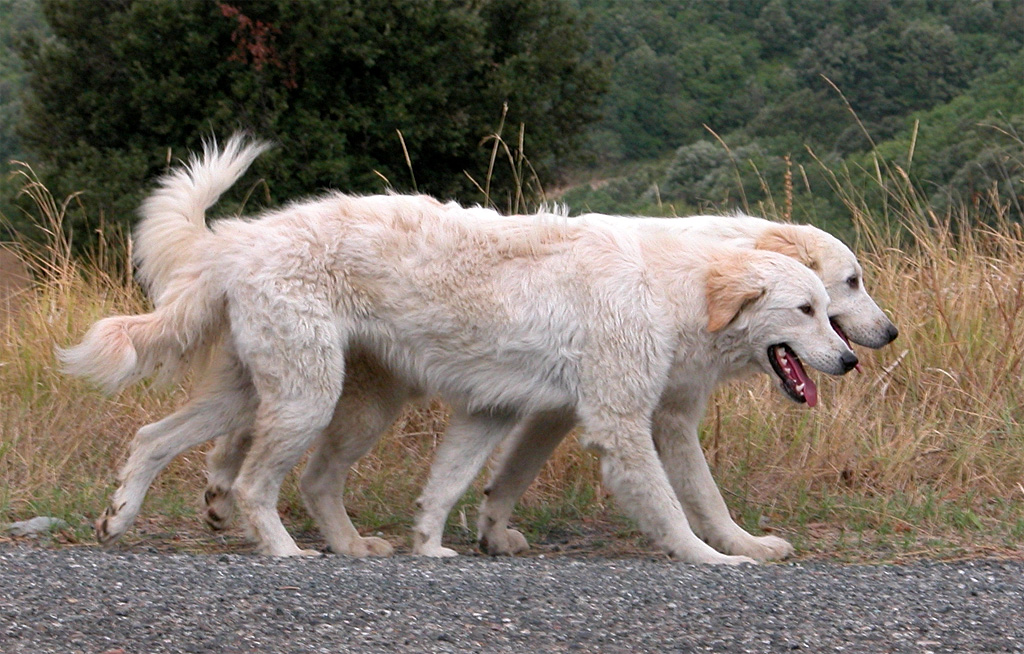
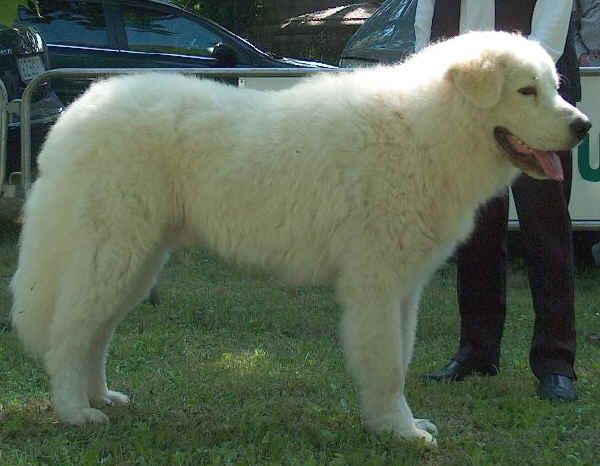
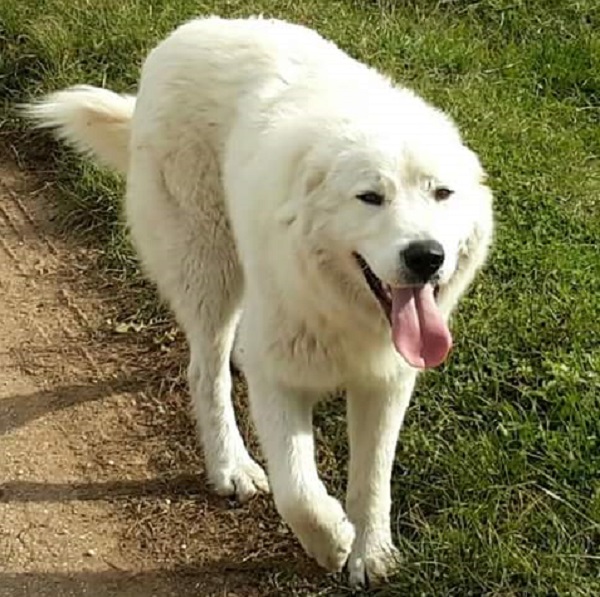
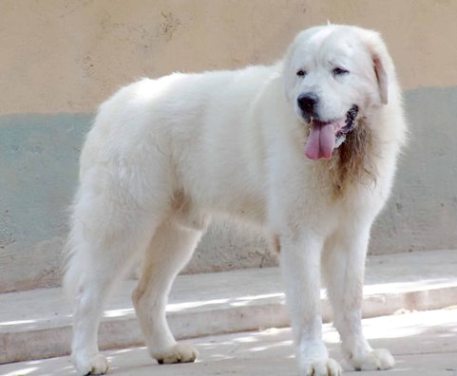
Jags Goldie Last updated: 27th October 2022The Abruzzese Mastiff (or Mastino Abruzzese in Italian) is a breed of large dogs used as livestock guardians for deterring bears and other predators. Being a landrace, the Mastino Abruzzese has been classified into different subtypes with major morphological differences. These are the Marsicano type with a lion-like head, Pescocostanzo type with a wolf-like head, Aquilano type with an impressive structure, Peligno type with a bear-like head, and Maiella type with a head similar to that of bears.
Abruzzese Mastiff Pictures
-

- Abruzzese Mastiff Dog
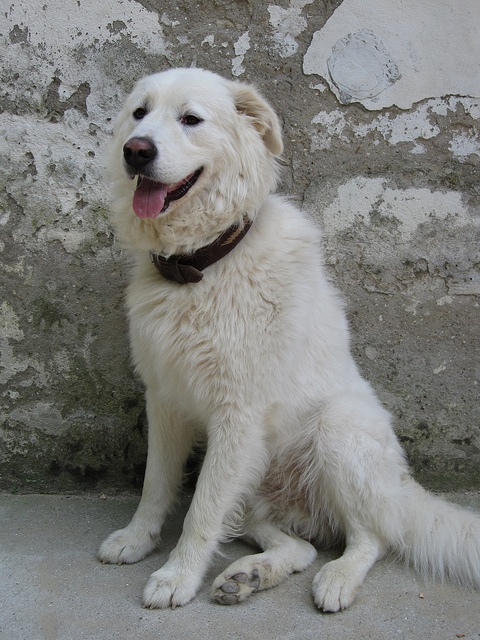
-

- Abruzzese Mastiff Photos
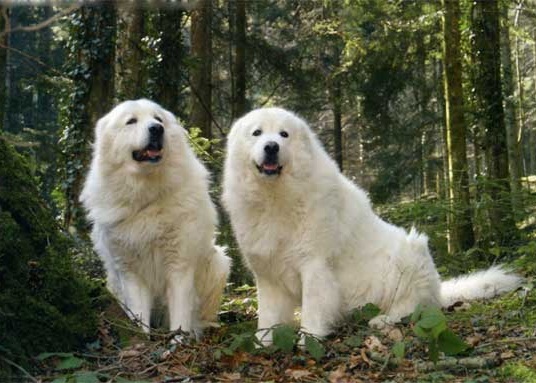
-

- Abruzzese Mastiff Pictures
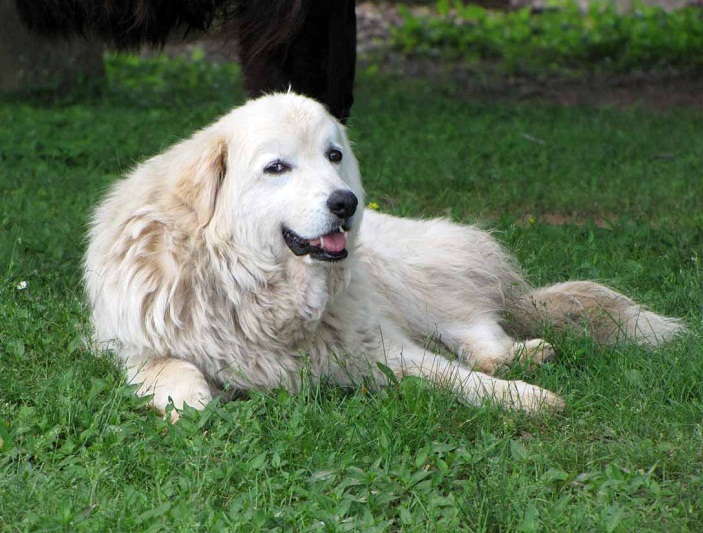
-

- Abruzzese Mastiff Puppies
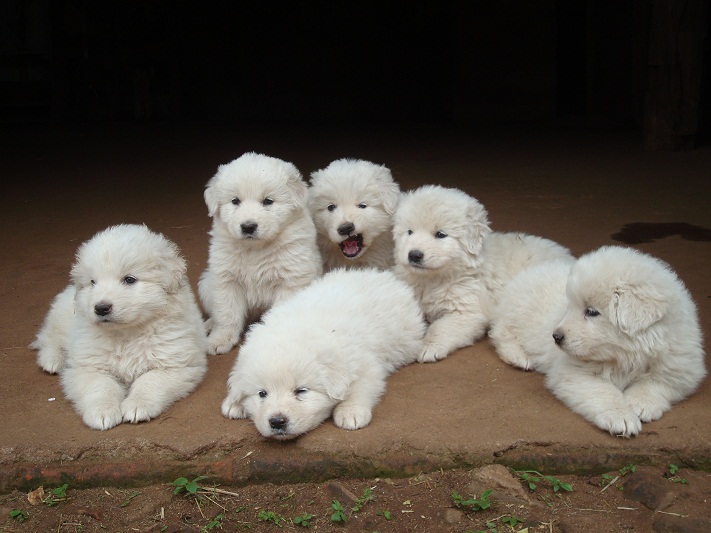
-

- Abruzzese Mastiff

-

- Abruzzese Mastiffs
-

- Images of Abruzzese Mastiff
-

- Mastino Abruzzese

-

- Pastore Abruzzese
-

- Abruzzese Mastiff Images
Quick Information
| Other Names | Cane da Pecora, Pastore abruzzese |
| Coat | Long, dense, slightly wavy, somewhat rough to the touch, woolly undercoat |
| Color | White, pale orange spots may occur on the ears |
| Breed Type | Purebred |
| Category | Cattle and Shepherd Dog |
| Lifespan | Approximately 12 years |
| Weight | Marsicano: 88-132 lbs Aquilano: 132-176 lbs Peligno: Up to 220 lbs |
| Size | Large |
| Height | Marsicano: 27.5-29.5 in Aquilano: 29.5-32.6 in Pescocostanzo: 26.7-28.3 in |
| Shedding | Unknown |
| Temperament | Energetic, loyal, well-balanced, affectionate |
| Hypoallergenic | Unknown |
| Litter Size | About 6 puppies |
| Good with Children | Yes |
| Barking | Moderate |
| Country Originated in | Italy |
| Competitive Registration/ Qualification Information | Unknown |
Video: Abruzzese Mastiff Training
History
One of the oldest Italian Sheepdogs, the Abruzzese Mastiff is thought to have been developed more than 2000 years ago. It is assumed to be a descendant of the ancient Alabai, White Greek Shepherd, dog breeds from Albania, and the Merdzan Sarplaninac. Although it is an ancient breed, the Pastore Abruzzese is now not well known outside its homeland.
Temperament and Behavior
As a guardian of its flock, the Abruzzese Mastiff is an even-tempered, friendly, and brave dog that gets along well with its people. It is a devoted, sober, and dignified family companion that can coexist with other pets but is cautious around humans it does not know.
As a pet, it makes a great sheepdog that loves to work. It usually works in packs of 4-10 dogs in which the leader engages the predators in a fight. The pack leader generally has a spiked iron collar to protect its throat from the bite of a predator.
Care
Exercise
The breed needs an active owner who can take it on a long, brisk walk on a regular basis. It should have the opportunity to run and play in large fenced yards.
Grooming
It has moderate grooming requirements including brushing its coat to keep tangles and mats away. Its ears should be kept clean to prevent wax build-up, and its teeth should be brushed as well using a vet-recommended toothpaste.
Health Problems
The Abruzzese Mastiff is not associated with any serious health conditions.
Training
For beginners, it can be a difficult dog to train and so it needs a firm, consistent hand in training.
Socialization
Regularly taking your Abruzzese Mastiff out for a walk and getting it accustomed to people moving down the street, meeting new friends, as well as experiencing a variety of sights will help it grow comfortable with the humans and other pets around it. It is handy to have some treats to keep your Pastore Abruzzese on its best behavior.
Obedience
Teach your Abruzzese to respond to some simple commands like sit, stay, come, and heel. Say the commands in a firm, pleasant manner and make sure that the training sessions are not extended beyond 15 minutes. As soon as it responds correctly, you can praise your dog and reward it with a treat.
Feeding
Your Mastino Abruzzese’s diet should consist of protein, fat, vitamins, and carbs. It should be given a quality dog food with meat, fish, fruits, and vegetables as its primary constituents.
Interesting Facts
- The Marsicano Abruzzese type has imposing head and “scissor” teeth whereas the Aquilano type has a longer head and a “pincher” bite.